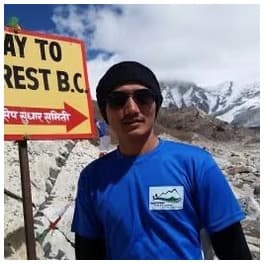
Nepal is one of Asia’s most rewarding destinations for solo travelers, combining Himalayan trekking, ancient cultural heritage, diverse landscapes, and affordable travel opportunities within a tourism infrastructure designed for independent exploration. From the bustling streets of Kathmandu and the lakeside atmosphere of Pokhara to the trails of the Everest and Annapurna regions, Nepal offers a rare combination of adventure, accessibility, and authentic local experiences. Well-established trekking routes, teahouse networks, tourist services, and welcoming communities make it possible for first-time and experienced solo travelers to explore the country with confidence throughout the year.
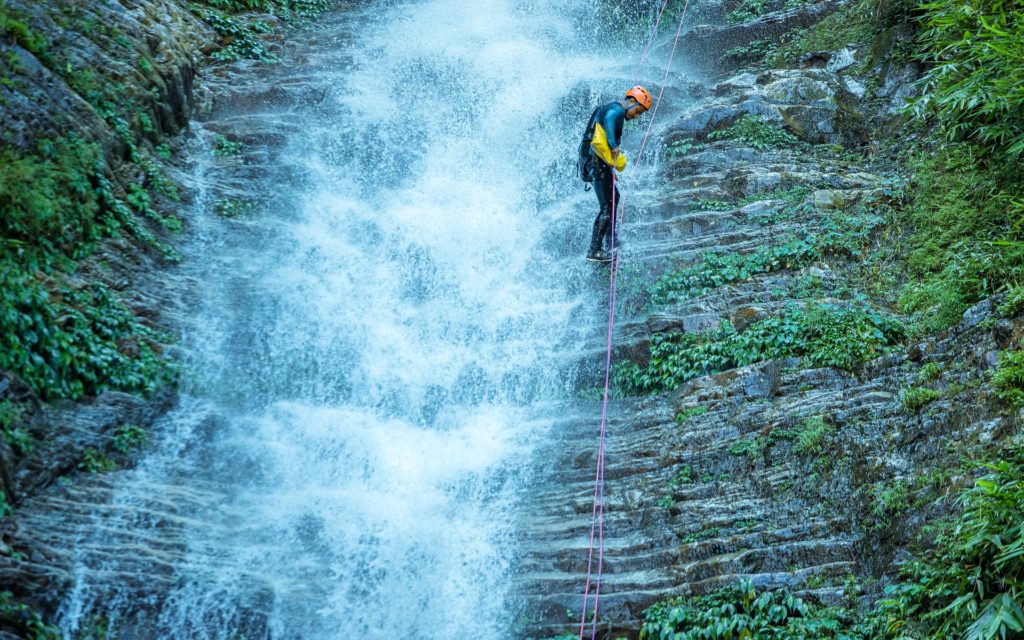
Travelling in Nepal alone offers far more than mountain views. Visitors can discover UNESCO World Heritage Sites, experience Newari and Tibetan-influenced cultures, encounter wildlife in Chitwan National Park, join trekking communities in the Himalayas, and enjoy flexible travel on a budget that suits a wide range of travel styles. Understanding permits, transportation, accommodation, seasonal conditions, safety practices, and cultural etiquette helps create a smoother and more rewarding journey. This guide provides everything needed to plan a successful solo trip to Nepal, from preparation and budgeting to trekking, sightseeing, and making the most of the country’s unique landscapes and cultural traditions.
Why Is Nepal a Great Destination for Solo Travelers?
Nepal ranks among the top 3 solo travel destinations in Asia because of its established teahouse trail networks, deeply hospitable Nepali culture, and a tourism infrastructure built around independent travelers. Daily costs range from $25 on a budget tier to $100 on a comfort tier, with permit-based trekking routes accessible 365 days a year.
Nepal Tourism Board data recorded 1,049,373 international tourist arrivals in 2023. The majority arrived independently, without group tour packages. That volume has shaped an ecosystem of guesthouses, gear rental shops, licensed guides, and permit offices that functions smoothly for first-time and experienced solo travelers alike.
What Makes Nepal Safe and Rewarding for Solo Trips?
Nepal's tourist safety infrastructure rests on 3 concrete pillars: a dedicated Tourist Police network, mandatory trekking permit registration, and teahouse trail systems that keep solo trekkers within 2–4 hours of shelter and human contact at all times.
Tourist Police operate 24-hour assistance lines (hotline: 1144) across 5 major hubs, Kathmandu, Pokhara, Chitwan, Lumbini, and Bhaktapur, specifically to support foreign travelers.
The Trekkers' Information Management System (TIMS), a government-issued permit card, records a solo trekker's route, nationality, passport number, and emergency contact before departure. TIMS registration creates a traceable record that rescue teams use when a trekker fails to reach a checkpoint.
Most incidents affecting solo travelers in Nepal involve petty theft in crowded Kathmandu markets or minor altitude sickness from ascending too fast above 3,000m. Violent crime targeting tourists remains rare and is concentrated almost entirely in unmonitored nightlife areas.
What Types of Solo Travelers Enjoy Nepal Most?
5 traveler profiles consistently report the highest satisfaction scores in Nepal:
-
Adventure trekkers targeting Everest Base Camp (5,364m), Annapurna Circuit (5,416m at Thorong La), or Langtang Valley (3,870m at Kyanjin Gompa)
-
Cultural immersion travelers exploring Kathmandu Valley's 3 UNESCO World Heritage Cities: Kathmandu, Bhaktapur, and Patan
-
Budget backpackers maintaining $25–$40 per day through guesthouse accommodation and traditional dal bhat meals
-
Wellness and yoga seekers based in Pokhara's lakeside district or Kathmandu's Boudhanath area, where 3–10 day meditation and yoga retreats cost $30–$150 per day inclusive
-
Wildlife travelers visiting Chitwan National Park (952km², UNESCO-listed) or Bardia National Park for rhino, tiger, and elephant encounters
Nepal's accommodation and transport infrastructure scales precisely to all 5 profiles, which is what separates it from less-developed adventure destinations in the region.
What Should You Prepare Before Traveling to Nepal Alone?
Solo Nepal preparation covers 5 distinct areas: visa and trekking permit documentation, altitude-appropriate gear packing, a daily and total trip budget, comprehensive travel insurance with helicopter evacuation coverage, and confirmed first-night accommodation. Arriving without complete permit documentation creates a full-day delay at Kathmandu's Thamel district permit offices.
What Documents, Visas, and Insurance Do You Need?
Nepal issues tourist visas on arrival at Tribhuvan International Airport in Kathmandu and at 6 land border crossings including Kodari (Tibet), Birgunj (India), and Belahiya (India). The 3 visa durations available in 2026:
|
Duration |
Cost (USD) |
Best For |
|
15 days |
$30 |
Short cultural or adventure trips |
|
30 days |
$50 |
Standard trekking itineraries |
|
90 days |
$125 |
Long-term trekking or multi-region travel |
Trekking permits operate independently from the tourist visa and vary by region:
-
TIMS Card (Trekkers' Information Management System): NPR 2,000 for all trekkers.
-
Annapurna Conservation Area Permit (ACAP): NPR 3,000 (~$23)
-
Sagarmatha National Park Permit (Everest region): NPR 3,000 (~$23)
-
Langtang National Park Permit: NPR 3,000 (~$23)
Travel insurance covering helicopter evacuation up to $100,000 USD is non-negotiable for any trekking above 3,000m. Evacuation from Everest Base Camp region costs $3,000–$8,000 per flight. World Nomads, SafetyWing, and True Traveller are the 3 most-used insurers among Nepal trekkers in 2026. All 3 explicitly cover trekking altitude activities above 4,000m when declared at policy purchase.
What Should You Pack for a Solo Trip to Nepal?
Packing for Nepal solo travel organizes into 3 categories based on planned altitude and activity type.
For Kathmandu and Cultural Circuits (1,400m elevation):
-
Lightweight layers for temperatures ranging from 5°C (December) to 30°C (June)
-
Comfortable walking shoes for cobblestone Durbar Squares
-
Waterproof folder holding passport copies, visa, and permit documents
-
Universal power adapter (Nepal uses Type C, D, and M sockets; voltage: 230V)
For Mid-Altitude Treks (2,000–3,500m):
-
Trekking poles, clinical data from physiotherapy research shows poles reduce knee joint load by 25% on descents
-
Sleeping bag rated to -10°C for teahouse guesthouses without heating
-
3 sets of moisture-wicking base layers minimum
-
Water purification tablets or SteriPen UV purifier (Giardia lamblia contamination occurs in untreated mountain water sources)
For High-Altitude Routes (3,500–5,364m):
-
Down jacket rated to -20°C for post-sunset temperatures at altitude
-
Acetazolamide (Diamox) 250mg tablets, available in Kathmandu pharmacies for $5–$8 per pack, for AMS prevention when ascending rapidly
-
Pulse oximeter to monitor blood oxygen saturation (SpO2), healthy SpO2 at sea level: 95–99%; normal range at 5,000m: 70–80%
-
Headlamp with minimum 200-lumen output and 2 spare battery sets
Renting gear in Kathmandu's Thamel district costs $3–$8 per item per day. Down jackets, trekking poles, sleeping bags, and crampons are all available for rent. Rental quality on standard trekking routes is adequate for first-time high-altitude travelers.
How Much Budget Should You Plan for Nepal?
Nepal's 3 spending tiers cover every travel style:
-
Budget Tier ($20–$35 per day): Dormitory or basic private guesthouse ($5–$12), traditional dal bhat meals ($3–$5 each), local bus transport, and DIY water treatment. This tier sustains 3–4 week trips for backpackers.
-
Mid-Range Tier ($50–$80 per day): Private guesthouse with attached bathroom ($20–$40), restaurant meals ($8–$15), occasional domestic flights and taxi transfers, and 1–2 guided day excursions per week ($15–$30 each).
-
Comfort Tier ($100–$200 per day): Boutique hotels ($60–$120), international-standard restaurant dining, private airport transfers, and fully guided trekking with porter and guide service.
A complete 14-day Nepal solo trip costs $350–$1,200 in total on-ground spending, excluding international flights and permit fees. Adding trekking permits for the Annapurna region totals $46 (TIMS + ACAP). Everest region permits total $46 (TIMS + Sagarmatha National Park).
When Is the Best Time to Travel Alone in Nepal?
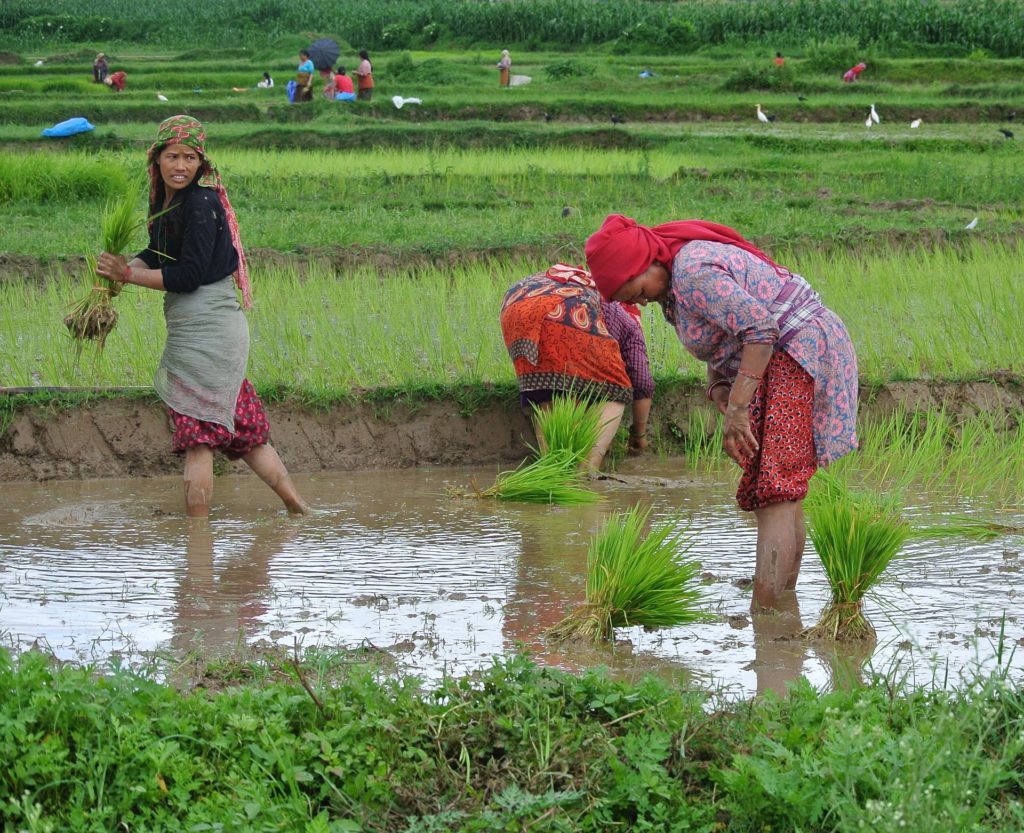
The 2 optimal seasons for solo travel in Nepal are October–November (autumn) and March–April (spring). Both deliver stable temperatures between 10°C and 25°C at lower elevations, clear mountain visibility following or preceding the monsoon, and dry trail conditions across all 4 major trekking circuits.
Which Seasons Offer the Best Weather and Views?
Nepal's 4 distinct seasons produce fundamentally different travel conditions:
-
Autumn (October–November): Post-monsoon clarity makes this the strongest season for mountain photography and high-altitude trekking. Daytime temperatures at Kathmandu (1,400m) average 18°C–22°C. Trail accommodation fills to 80–90% capacity on Annapurna and Everest routes, meaning more fellow travelers at teahouses. Book 2–4 weeks ahead for October departures.
-
Spring (March–April): The second peak season. Rhododendron forests below 4,000m bloom with red and pink flowers through March and April, adding a visual dimension absent in autumn. Mountain views remain clear before pre-monsoon haze builds in May. Temperature warming at altitude reduces down-jacket requirements below 4,500m.
-
Winter (December–February): Trekking routes below 3,500m remain fully accessible. Kathmandu cultural circuits run without disruption. High-altitude passes including Thorong La (5,416m) on Annapurna Circuit face snowfall risk from December through February. Accommodation costs drop 15–25% across Kathmandu and Pokhara due to lower international visitor volumes.
-
Monsoon (June–September): The Mustang and Dolpo rain-shadow regions north of the Annapurna and Dhaulagiri ranges operate normally during monsoon. All other trekking routes experience heavy rain, trail leeches below 3,000m, 60%+ trail mud, and restricted Himalayan visibility. Guesthouse and hotel prices in Kathmandu and Pokhara drop 20–30% during this period.
How Do Weather Conditions Affect Travel Plans?
Altitude gain above 3,000m creates 3 specific weather risks that solo travelers account for with concrete preparation: acute mountain sickness (AMS), hypothermia, and rapid afternoon storm development.
According to Himalayan Rescue Association clinical records from the Namche Bazaar clinic, AMS affects 25–30% of trekkers who ascend above 3,000m without adequate acclimatization. The standard acclimatization protocol, ascending no more than 300–500m net altitude per day above 3,000m, reduces AMS incidence to under 5%. Descending 500m resolves most mild AMS cases within 12–24 hours.
Afternoon storms develop above 4,000m between 12:00 PM and 3:00 PM, particularly in spring. Starting daily trekking segments at 6:00–7:00 AM completes most trail sections before storm windows open.
Solo trekkers on Everest Base Camp route carry rain gear and an emergency bivy bag regardless of morning forecast conditions, because weather at altitude changes within 45–90 minutes.
Which Places Should Solo Travelers Visit in Nepal?
Nepal's 4 core destination zones for solo travelers are the Kathmandu Valley, the Pokhara and Annapurna region, the Khumbu (Everest region), and the Terai southern lowlands. Each zone suits a different travel duration, fitness level, and interest profile.
Which Cities Are Best for First-Time Solo Travelers?
Kathmandu (elevation 1,400m, population 3.2 million) serves as the primary entry point for 92% of international visitors. Thamel district concentrates guesthouses, trekking gear shops, money exchange counters, and licensed travel agencies within a 1.5km walkable radius, a density that makes it one of the most practical arrival zones for solo travelers anywhere in Asia. Key sites within 30 minutes of Thamel include Pashupatinath Temple (the largest Hindu temple complex in Nepal), Boudhanath Stupa (107m diameter, UNESCO-listed), and Swayambhunath (Monkey Temple, 2,000+ years old).
Pokhara (elevation 827m, population 520,000) offers Nepal's most relaxed solo environment. Phewa Lake's 2km lakeside promenade hosts 200+ guesthouses and restaurants. The city serves as the gateway and exit for 3 major treks, Annapurna Circuit, Annapurna Base Camp, and the Poon Hill circuit, and provides direct mountain views of Machhapuchhre (Fishtail Peak, 6,993m) from the lakeside without trekking. Paragliding from Sarangkot Hill over Phewa Lake costs NPR 6,500–8,000 (~$50–$60) and operates daily from 7:00 AM.
Chitwan (elevation 415m) anchors Nepal's wildlife zone. Chitwan National Park, 952km², UNESCO World Heritage Site since 1984, supports populations of the one-horned rhinoceros (600+), Bengal tiger (100+), and gharial crocodile. Full-day jeep safaris cost NPR 3,500–5,000 (~$27–$38). Canoe rides on the Rapti River and elephant breeding center visits are included in most organized Chitwan packages.
Which Mountain Regions Are Worth Visiting Alone?
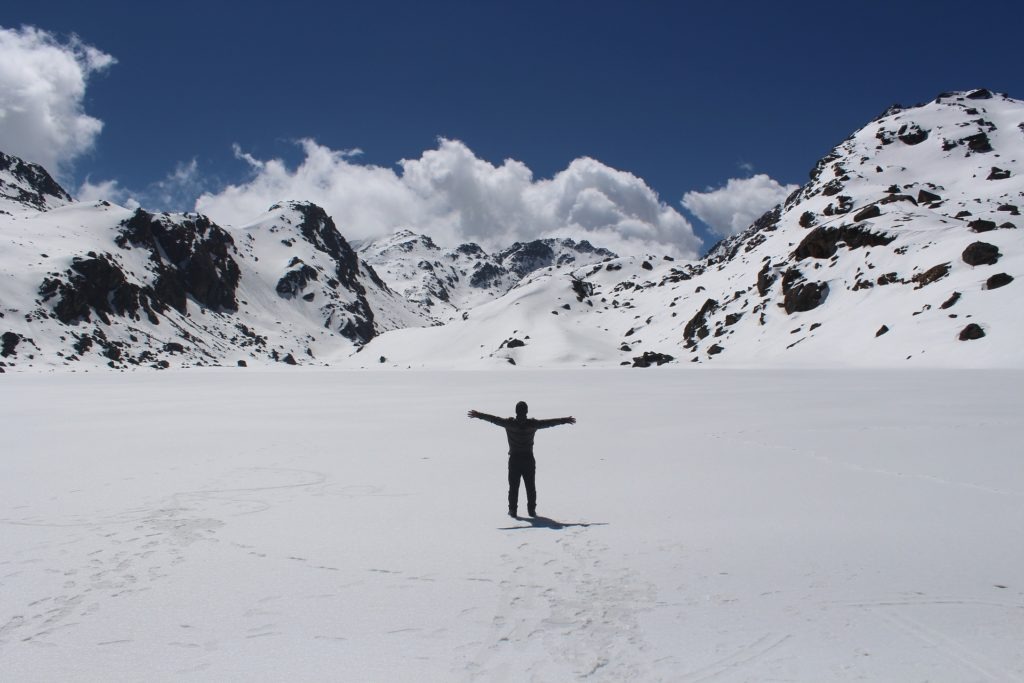
Nepal contains 8 of the world's 14 peaks above 8,000m, Everest (8,849m), Kangchenjunga (8,586m), Lhotse (8,516m), Makalu (8,485m), Cho Oyu (8,188m), Dhaulagiri (8,167m), Manaslu (8,163m), and Annapurna I (8,091m), creating a trekking geography unmatched globally.
-
Khumbu (Everest Region): Everest Base Camp at 5,364m is the world's most recognized trekking destination. The standard route from Lukla airport (2,840m, 35-minute flight from Kathmandu) covers 130km round-trip in 12–14 days. Namche Bazaar (3,440m) serves as the region's hub with a Himalayan Rescue Association clinic, internet cafes, bakeries, and gear shops. Tengboche Monastery (3,860m) and Kala Patthar viewpoint (5,545m) are the route's 2 most photographed cultural and scenic stops.
-
Annapurna Region: The Annapurna Circuit (160–230km, 14–21 days) circumnavigates the Annapurna massif through 5 ecological zones, subtropical to alpine tundra, crossing Thorong La Pass at 5,416m. Annapurna Base Camp (4,130m) offers a focused 8–12 day alternative ending directly beneath the Annapurna South face. Poon Hill (3,210m, 4-day circuit) is the strongest first-trek recommendation for solo travelers due to its moderate elevation gain and daily teahouse availability.
-
Langtang Valley: The Langtang National Park route (7–10 days, 65km) departs 90 minutes north of Kathmandu by local bus to Syabrubesi. Kyanjin Gompa (3,870m) is the terminal village and hosts a working yak cheese factory. Langtang receives 70% fewer trekkers per season than the Annapurna and Everest regions, making it the strongest choice for solo travelers seeking solitude and cultural immersion in Tamang villages.
Which Cultural Sites Should You Add to Your Itinerary?
Kathmandu Valley's 7 UNESCO World Heritage Monument Zones concentrate in 3 heritage cities accessible within 30km of central Kathmandu:
-
Bhaktapur (13km east of Kathmandu): Bhaktapur Durbar Square, Pottery Square (active traditional pottery district), the 55-Window Palace (15th century Malla dynasty), and Nyatapola Temple (5-tiered pagoda, 30m tall) form a 3–4 hour walking circuit. Entry fee: NPR 1,800 (~$13.50) for foreigners.
-
Patan (Lalitpur) (5km south of Kathmandu): Patan Durbar Square contains the highest concentration of Newari architecture in Nepal, 55 major temples and courtyards within a 2km radius. The Patan Museum, housed in a 17th-century palace, holds the country's finest collection of Buddhist and Hindu bronze sculpture. Entry fee: NPR 1,000 (~$7.50).
Lumbini (300km southwest of Kathmandu, Rupandehi district): Birthplace of Siddhartha Gautama (the historical Buddha, born circa 563 BCE). The Maya Devi Temple marks the precise birth site. The Lumbini Development Zone contains 27 international Buddhist monasteries from 12 countries within a 5km sacred garden. UNESCO inscribed Lumbini as a World Heritage Site in 1997.
How Can You Travel Safely Around Nepal Alone?
Solo travelers navigate Nepal using 4 primary transport methods, domestic flights, tourist buses, local buses, and hired jeeps, with each method suited to specific route legs based on distance, altitude gain, and time available.
How Can You Use Local Transportation Efficiently?
Domestic flights connect Kathmandu's Tribhuvan International Airport to 20+ regional hubs. Flights to Lukla ($180–$220 one-way) eliminate 7 days of approach trekking to the Everest region. However, be aware that during the peak spring (March–April) and autumn (October–November) seasons, flights are diverted from Kathmandu to Manthali Airport in Ramechhap to reduce air traffic. This requires a 4-to-5-hour shared transport drive from Kathmandu leaving around 1:00 AM to catch your morning flight. Buddha Air, Yeti Airlines, and Tara Air operate this route with ATR 72 and Twin Otter aircraft. Flights are weather-dependent, Lukla airport closes during low-visibility conditions, creating 1–3 day delays in October–November peak season.
Tourist buses (also called: tourist coaches) connect Kathmandu to Pokhara (6–7 hours, NPR 900–2,500 / $7–$19), Chitwan (5–6 hours, NPR 700–2,000 / $5–$15), and Lumbini (8–9 hours, NPR 1,500–3,500 / $11–$27). Companies like Swift Holidays, Baba Adventure, and Desan operate luxury, air-conditioned sofa-seat tourist buses with reserved seating.
Local buses cover the same routes at 40–60% lower cost with 1–2 hour longer travel times due to additional stops and passenger boarding. Local buses suit budget travelers comfortable with high occupancy.
Taxis and ride-hailing apps cover Kathmandu intra-city travel at NPR 300–800 ($2.30–$6) per trip. Pathao and InDriver are the 2 active app-based ride services in Kathmandu as of 2026, with metered pricing that eliminates negotiation.
What Safety Precautions Should Solo Travelers Follow?
8 specific safety actions protect solo travelers in Nepal:
-
Register trekking plans with the Himalayan Rescue Association (HRA) in Kathmandu and share the full itinerary with 2 emergency contacts before departing on any multi-day trek
-
Carry photocopies of passport, Nepal visa, TIMS card, and insurance policy in a waterproof pouch, stored separately from originals
-
Download offline maps using Maps.me or Gaia GPS before leaving mobile network coverage, trail data covers all major routes including Everest, Annapurna, and Langtang
-
Memorize 3 emergency numbers: Tourist Police 1144, Nepal Police 100, Ambulance 102
-
Follow the 300–500m per day acclimatization protocol above 3,000m elevation to reduce AMS risk from 25–30% to under 5%
-
Avoid solo night trekking on unmarked trail sections, particularly in upper Langtang and Mustang where infrastructure thins above 4,000m
-
Keep NPR 5,000–8,000 cash in a concealed money belt in Thamel and Kathmandu's Ason Market, where pickpocketing concentrates
-
Verify guide and porter licenses through TAAN (Trekking Agencies' Association of Nepal) or NATTA (Nepal Association of Tour and Travel Agents) official directories before hiring
How Can You Stay Connected During Your Trip?
Nepal's 2 major telecom providers, NTC (Nepal Telecom) and Ncell, issue tourist SIM cards at Tribhuvan Airport arrivals hall for NPR 400–600 ($3–$5), including a data package.
NTC provides stronger signal penetration in remote trekking zones including upper Langtang Valley, Manaslu Circuit, and upper Mustang. Ncell delivers faster 4G LTE speeds in Kathmandu, Pokhara, and Chitwan city centers.
Mobile network coverage ends at approximately 4,000–4,500m elevation on most trekking routes. Garmin inReach Mini 2 satellite communication devices ($380 purchase price, $15–$65/month subscription) provide 2-way SMS messaging and SOS beacon functionality above the mobile coverage limit, carried by experienced solo high-altitude trekkers as standard equipment.
Teahouse Wi-Fi availability reaches 85% of lodges on the Annapurna and Everest Base Camp routes, with average upload speeds of 1–3 Mbps above 3,500m elevation.
Where Should You Stay While Traveling Alone in Nepal?
Solo travelers in Nepal access 3 accommodation types: hostel dormitories in tourist hubs, private teahouse guesthouses on trekking routes, and mid-range hotels in Kathmandu and Pokhara. Prices span NPR 500–15,000 ($4–$115) per night based on location, privacy level, and amenity standard.
How Do You Choose Safe and Social Accommodations?
3 criteria determine safe accommodation selection for solo travelers:
-
Location within established tourist districts: Thamel (Kathmandu), Lakeside (Pokhara), and Sauraha (Chitwan) concentrate verified guesthouses with 24-hour reception, proximity to emergency services, and peer review density. Accommodation outside these districts in the same cities is less monitored and carries higher risk of isolation incidents.
-
Booking platform verification: Properties listed on Booking.com, Hostelworld, or Agoda with 200+ verified reviews and a response rate above 85% demonstrate consistent hospitality standards. These platforms also provide refund protection for no-shows, which matters when domestic flight delays disrupt trekking start dates.
-
Late arrival reception availability: Solo travelers arriving on overnight buses (Kathmandu–Pokhara buses arrive 4:00–5:00 AM) confirm 24-hour check-in availability before booking. Properties that lock their entrance after midnight require advance coordination.
Teahouse lodges on trekking routes operate on a local hospitality model: accommodation costs NPR 200–500 ($1.50–$4) per night when dining at the lodge. Carrying a sleeping bag liner rated to 5°C improves comfort, as teahouse blankets are standard but worn on high-altitude routes.
Should You Stay in Hostels, Hotels, or Guesthouses?
The optimal accommodation type aligns with 3 specific travel goals:
-
Hostels (NPR 500–1,500 / $4–$12 per dorm bed): The highest-value choice for solo travelers prioritizing social connection, cost minimization, and meeting other independent travelers. Alobar 1000 in Kathmandu and Base Camp Hostel in Pokhara rank as Nepal's top-reviewed social hostels in 2026, both hosting 3–4 community events per week attracting 10–25 travelers per event.
-
Teahouse guesthouses (NPR 800–3,000 / $6–$23 private room): The standard trekking route accommodation for Annapurna, Everest, and Langtang circuits. Teahouses in Namche Bazaar, Manang, and Ghorepani provide private rooms with charging points, hot showers (solar or heated, NPR 100–300 extra), and dining rooms where travelers naturally share route information.
-
Mid-range hotels (NPR 3,000–15,000 / $23–$115): Optimal for Kathmandu arrival nights, Pokhara rest days, and pre-flight departure preparation. Hotel Potala and Hotel Jampa in Thamel offer luggage storage, hot showers, breakfast, and travel desk services that simplify logistics for solo itinerary management.
How Can You Meet People While Traveling Alone in Nepal?
Solo travelers connect with others in Nepal through 5 high-reliability channels: organized group treks, hostel social events, cooking classes, white-water rafting tours, and volunteer program networks. Nepal's established backpacker trail makes meeting other travelers straightforward regardless of budget tier.
Which Activities Help You Connect With Others?
Organized group treks from Pokhara and Kathmandu consistently bring solo travelers together into cohesive groups. The Poon Hill 4-day guided group trek assembles 4–12 travelers per departure, with groups forming daily from Pokhara guesthouses and completing the circuit together through Ulleri, Ghorepani, and Ghandruk.
Hostel social events in Thamel and Lakeside include weekly group dinners, guided city walking tours (often free with hostel stay), and rooftop movie nights. Alobar 1000 Kathmandu maintains a weekly social calendar visible on arrival and achieves consistent high ratings specifically for facilitating solo traveler connections.
Rafting tours on the Trishuli River (half-day, $25–$40) and Bhotekoshi River (full-day, $60–$80) group solo travelers into shared rafts of 6–8 participants. The enforced cooperation of Class 3–4 rapids creates rapid social bonds over 3–8 hours on the water.
Cooking classes in Kathmandu (NPR 2,500–4,000 / $19–$30, 3–4 hour session) attract cultural travelers and pair small groups of 4–8 participants for a structured shared experience. Classes teaching traditional Newari dishes, bara (lentil pancake), chatamari (rice flour crepe), and kwati (sprouted bean soup), provide both cultural depth and natural conversation structure.
How Can You Respect Local Customs and Etiquette?
8 etiquette rules apply throughout Nepal across religious and community contexts:
-
Remove footwear before entering temples, monasteries, and private homes, marked by a shoe line at the threshold
-
Walk clockwise around stupas, mani walls, and all Buddhist sacred monuments, counterclockwise movement is considered disrespectful in Tibetan Buddhist tradition
-
Avoid leather items inside Hindu temple complexes, Pashupatinath and several Kathmandu Durbar Square temples prohibit leather shoes, belts, and bags in inner sanctums
-
Dress with covered shoulders and knees in all religious zones, including the approach paths to Pashupatinath, Boudhanath, and all 3 Durbar Squares
-
Pass objects with the right hand or both hands, single left-hand passing is considered disrespectful in Nepali daily interaction
-
Request permission before photographing monks, Hindu priests, cremation ceremonies, and elderly residents in traditional dress
-
Bargain respectfully on goods under NPR 500, aggressive bargaining on small-value items in local markets is considered discourteous and damages trust
-
Avoid public physical displays of affection, Nepal's social culture outside tourist-heavy areas remains conservative, and hand-holding between unmarried couples draws negative attention in village and religious contexts
What Are the Best Solo Activities to Experience in Nepal?
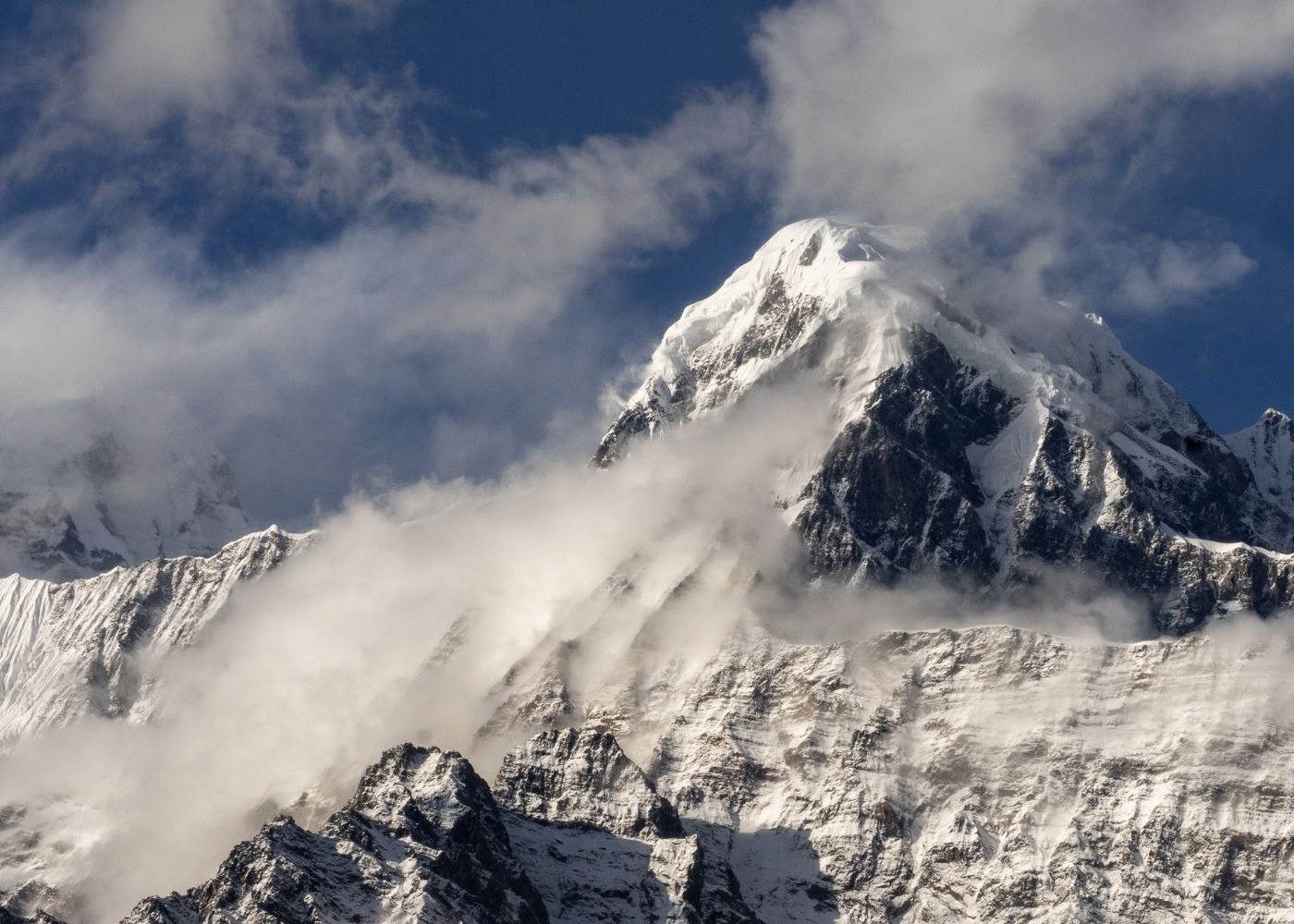
Nepal's 3 highest-value solo activities are multi-day Himalayan trekking, Kathmandu Valley cultural immersion, and a combination of paragliding, white-water rafting, and bungee jumping that constitutes the country's adventure sports circuit. Each category delivers experiences not replicated at comparable quality elsewhere in Asia.
Which Trekking Experiences Suit Solo Travelers?
4 trekking routes rank as the strongest solo experiences based on infrastructure density, scenery, and community support along the trail:
-
Everest Base Camp Trek (12–14 days, 130km round-trip from Lukla): Begins at Lukla airport (2,840m, 35-minute flight from Kathmandu) and climbs through Phakding (2,610m), Namche Bazaar (3,440m), Tengboche (3,860m), Dingboche (4,360m), and Lobuche (4,940m) to Base Camp at 5,364m. Teahouse accommodation every 2–4 hours of walking. Difficulty: Challenging.
-
Annapurna Circuit (14–21 days, 160–230km): Nepal's most diverse trekking route, crossing subtropical forest, alpine meadow, and high-altitude desert zones. Thorong La Pass (5,416m) is the route's highest point and the world's highest trekking pass completed by non-technical climbers. Difficulty: Challenging.
-
Poon Hill Trek (4 days, 50km, Ghorepani-Poon Hill circuit from Nayapul): Delivers sunrise views of Dhaulagiri (8,167m), Annapurna South (7,219m), and Machhapuchhre (6,993m) from Poon Hill viewpoint (3,210m). The strongest first-trek recommendation for Nepal solo travelers due to moderate elevation gain and full teahouse availability. Difficulty: Moderate.
-
Langtang Valley Trek (7–10 days, 65km, from Syabrubesi): Tamang cultural villages, active yak cheese production at Kyanjin Gompa (3,870m), and 70% lower trail traffic than Everest and Annapurna routes. Bus to trailhead departs Kathmandu's Machhapokhari bus park daily at 7:00 AM. Difficulty: Moderate–Challenging.
What Cultural and Adventure Activities Are Worth Trying?
Cultural activities delivering the deepest Nepal-specific experience:
-
Thangka painting class in Boudhanath (3-hour session, NPR 1,500–3,000): Instruction in traditional Tibetan Buddhist scroll painting technique using mineral pigments and gold leaf, a living art tradition dating to the 9th century
-
Yoga and meditation retreat in Pokhara (3–10 day programs, $30–$150/day inclusive): Schools including Fishtail Yoga and Himalayan Yoga Academy operate daily drop-in classes and residential programs in lakeside settings
-
Buddhist monastery morning prayers at Kopan Monastery (6:00 AM, free with prior online registration): 90-minute chanted liturgy with 300+ resident monks at a 15th-century hilltop monastery 8km from Thamel
-
Newari cooking class in Bhaktapur (NPR 2,000–3,500 / $15–$27): Traditional dishes including bara, chatamari, and kwati prepared in a Newari heritage kitchen
Adventure activities ranking highest among solo traveler reviews in 2026:
-
Paragliding tandem flight from Sarangkot over Pokhara and Phewa Lake (30-minute flight, NPR 6,500–8,000 / $50–$60): One of the world's top 5 paragliding destinations, operating year-round except heavy monsoon weeks
-
Bungee jumping at The Last Resort on the Bhotekoshi River (160m jump height, NPR 8,500 / $65): The highest bungee jump in Nepal and the second-highest in the world, located over the Kali Gandaki gorge about two hours from Pokhara.
-
Mountain biking on Kathmandu Valley rim circuit (1-day guided tour, NPR 2,500–4,000 / $19–$30): 50km route connecting Nagarkot, Dhulikhel, and Panauti with mountain views and village stops
-
White-water rafting on Trishuli River Class 3–4 rapids (half-day, NPR 3,000–4,500 / $23–$35): The most accessible Nepal rafting experience, 2 hours from Kathmandu
What Common Mistakes Should Solo Travelers Avoid in Nepal?
The 4 most costly mistakes solo travelers make in Nepal are ascending too fast above 3,000m, hiring unlicensed guides, failing to obtain all required trekking permits before leaving Kathmandu, and carrying insufficient cash above ATM availability zones. Each creates disruptions ranging from altitude medical emergencies to permit confiscation by national park rangers on the trail.
How Can You Avoid Scams and Travel Disruptions?
6 active scam patterns targeting solo travelers in Nepal in 2026:
-
Permit fee fraud by unregistered agencies: Thamel-based agencies collecting TIMS and national park permit fees without obtaining the permits. Verify permit status on the Nepal Tourism Board website (welcomenepal.com) and TIMS checkpoint registers before trekking, rangers at checkpoints confiscate trekkers without permits
-
Gem and carpet investment schemes: A locally-practiced confidence scam involving a friendly introduction, a tour of a "family business," and pressure to purchase textiles or gems as a "wholesale investment", documented continuously in Nepal travel reports since 2005
-
Taxi meter refusal at Tribhuvan Airport: Drivers quoting fixed rates 2–3x the metered price to arriving travelers. Use pre-paid taxi counters at the airport exit (NPR 700–900 to Thamel) or Pathao ride-hailing app after exiting the terminal
-
Fake monastery donation solicitations: Individuals in Buddhist robes presenting "monastery donation books" near Boudhanath Stupa and Swayambhunath, these are not affiliated with any registered monastery
-
Street currency exchange: Operators offering above-official-rate exchange, delivering partially counterfeit NPR notes in the bundle. Exchange at NTC bank counters or international ATMs exclusively
-
Staged "free trek" invitations: Strangers offering a complimentary local day hike that progresses into a multi-day route, with fees demanded at remote lodges with no alternative accommodation
What Habits Can Improve Your Overall Experience?
5 habits that measurably improve Nepal solo travel quality:
-
Learn 10 Nepali phrases before arrival: "Namaste" (hello/goodbye), "Dhanyabad" (thank you), "Kati ho?" (how much?), "Ramro chha" (it's good), "Bhaat khayo?" (have you eaten?), these phrases shift interactions from transactional to genuinely warm and earn consistent hospitality upgrades
-
Carry NPR 5,000–8,000 in small denominations (NPR 100 and 500 notes) above Namche Bazaar and Manang, ATMs are absent above these trekking checkpoints, and card payment infrastructure is nonexistent in teahouses
-
Start each trekking day at 6:00–7:00 AM to complete trail segments in clear morning light, reach accommodations before prime booking windows close (10:00 AM–12:00 PM), and avoid afternoon storm development above 4,000m
-
Order dal bhat over tourist menus on trekking days, dal bhat (rice, lentil soup, vegetable curry, pickles, papad) costs NPR 250–450 ($2–$3.50) at teahouses, includes unlimited refills, and delivers 1,000–1,400 calories per serving appropriate for 5–8 hour trekking days
-
Maintain a daily trekking log recording altitude, resting heart rate, SpO2 reading, headache scale (0–10), and appetite, this data identifies developing AMS before symptoms escalate to a severity requiring descent
How Should You Approach Solo Nepal Travel With Expert Help?
Solo travelers who engage licensed Nepal trekking agencies reduce logistical failure rates across permit acquisition, transportation, accommodation, and emergency response by consolidating all 4 functions through a single local operator with established supplier relationships and 24-hour field access.
This approach preserves complete travel independence, pacing, route choices, rest days, while eliminating the 6 planning errors that create the most common disruptions for first-time Nepal solo travelers: permit gaps, unlicensed guide hiring, teahouse overbooking in peak season, altitude protocol ignorance, emergency contact gaps, and insurance documentation failures.
Can Nepal Intrepid Treks Help With Solo Travel in Nepal?
Nepal Intrepid Treks specializes in supporting solo travelers who value the independence of self-directed travel with the security of professional logistical backing from Kathmandu-based Nepal experts.
The company manages the 4 planning areas that generate the most friction for first-time Nepal solo travelers:
-
Permit procurement: TIMS cards, national park permits, and restricted area permits obtained before departure to avoid Thamel permit-office queues and fraudulent third-party operators
-
Licensed guide and porter arrangements: TAAN-certified guides and trained porters matched to individual route plans, fitness levels, and solo travel preferences
-
Teahouse booking coordination: Advance lodge reservations on high-demand October–November and March–April routes where same-day walk-in availability drops to 50–60%
-
Emergency evacuation coordination: Pre-established helicopter evacuation contacts and insurance documentation review to ensure coverage activates within 2 hours of a trekking emergency
Solo travelers choosing fully self-guided routes access Nepal Intrepid Treks' custom trip itinerary service, permit packages, and 24-hour local contact support throughout their Nepal stay, retaining full daily decision-making freedom while accessing a professional network built on years of Himalayan operations.
Connect with Nepal Intrepid Treks through the website to receive route-specific cost breakdowns, seasonal timing recommendations, and permit checklists tailored to individual travel timelines and fitness goals.
What Are the Key Takeaways About Traveling Alone in Nepal?
Solo travel in Nepal in 2026 is accessible, safe, and deeply rewarding for travelers who prepare with precision across 4 areas: documentation, budget, seasonal timing, and safety protocols. Nepal's Himalayan trekking infrastructure, UNESCO-listed heritage cities, hospitable culture, and competitive daily costs of $25–$80 place it among Asia's strongest solo destinations.
6 core principles define successful solo Nepal travel:
-
Travel in October–November or March–April for peak mountain visibility, stable temperatures, and dry trail conditions across all major trekking circuits
-
Budget $25–$80 per day on-ground depending on accommodation preference, plus $46–$100 in trekking permits for Annapurna or Everest region routes
-
Complete all permit acquisition in Kathmandu, TIMS card, national park entry permits, and ACAP permit, before departing for any trekking trailhead
-
Purchase travel insurance with helicopter evacuation to $100,000 USD before international departure, no exceptions for any trek above 3,000m elevation
-
Register the trekking plan with the Himalayan Rescue Association and share the full itinerary, including daily checkpoint lodges, with 2 emergency contacts
-
Partner with Nepal Intrepid Treks or a TAAN-registered agency for permit processing, licensed guide and porter coordination, and emergency logistics support
Quick guide to travelling in Nepal alone begins with a single, accurate premise: the country welcomes solo travelers at every budget and experience level. The trails, temples, and people of Nepal combine to deliver a travel experience that rewards careful preparation with the kind of depth and scale that defines a traveler's most memorable journeys.