Why is the Khopra Hill Trek Famous?
The Khopra Hill Trek has rapidly gained recognition as one of the Annapurna region's most rewarding off-the-beaten-path adventures. Here's what makes this trek special:
Unspoiled Natural Beauty: Unlike the crowded trails of the main Annapurna Circuit, Khopra Danda offers pristine wilderness and solitude. The trek takes you through untouched rhododendron forests, alpine meadows, and remote mountain landscapes where you can truly connect with nature.
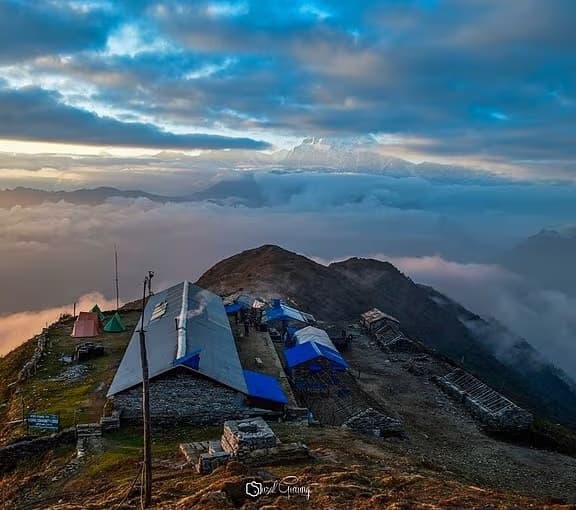
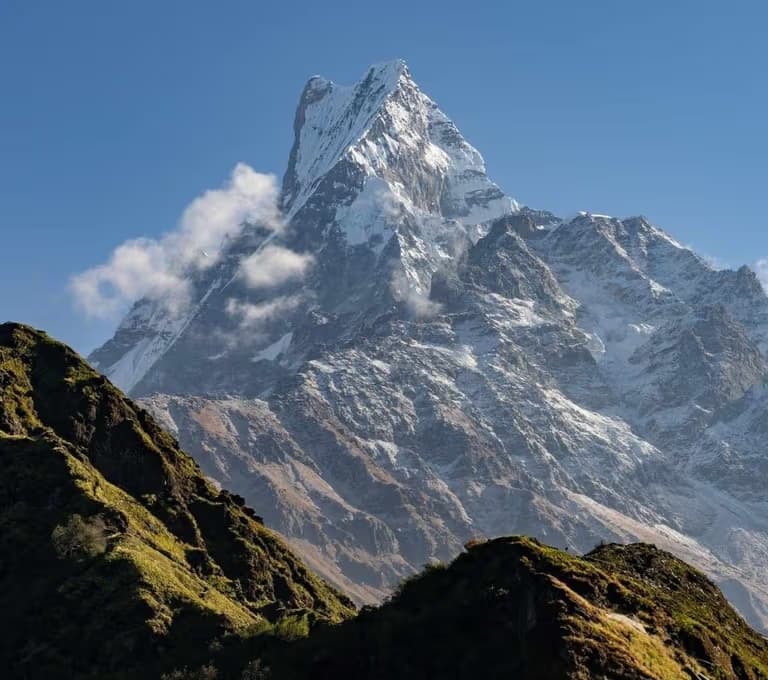
Spectacular Mountain Views: The panoramic vistas from Khopra Ridge rival any in the Himalayas. With Annapurna South just six kilometers away, you'll experience an incredibly intimate view of 7,000+ meter peaks. The ridge offers 360-degree views encompassing Dhaulagiri (8,167m), Annapurna I (8,091m), Nilgiri, Tukuche Peak, and dozens of other Himalayan giants.
Sacred Khayer Lake: The optional hike to Khayer Lake at 4,700m is one of the trek's most memorable experiences. This pristine alpine lake, considered sacred by locals, sits in a dramatic amphitheater of towering peaks, offering spiritual and visual rewards worth the challenging climb.
Community-Based Tourism: The network of community lodges along the Khopra route directly benefits local villages. Your trek helps fund schools, infrastructure projects, and sustainable development initiatives, making your adventure meaningful beyond personal achievement.
Cultural Immersion: The trek passes through authentic Gurung and Magar villages where traditional culture thrives. Unlike more touristy areas, these communities maintain their cultural heritage, offering genuine insights into Himalayan life.
Diverse Ecosystems: Trek through multiple ecological zones, from subtropical forests to alpine tundra. Spring brings spectacular rhododendron blooms, while autumn offers crystal-clear mountain views and comfortable temperatures.
Wildlife Encounters: The remote sections of the trail provide opportunities to spot Himalayan wildlife, including Danfe pheasants, Himalayan tahr, and various bird species in their natural habitat.
Multiple Viewpoints: Beyond Khopra Ridge, the trek includes sunrise views from Poon Hill and Mohare Danda, each offering unique perspectives on the Himalayan panorama.
Best Season to Trek
The Khopra Hill Trek can be undertaken year-round, but two seasons stand out for optimal conditions:
Spring (March to May)
Spring is arguably the most spectacular season for the Khopra Hill Trek. The weather is generally stable with clear skies, moderate temperatures, and excellent visibility. The real magic of spring trekking lies in the rhododendron blooms that transform the forests into kaleidoscopes of red, pink, and white flowers.
March sees the beginning of the bloom at lower elevations, while April brings peak blooming season throughout the trek. By May, even high-altitude areas burst with color. Daytime temperatures are pleasant (10-20°C at lower elevations), though nights can be cold at higher camps (0 to -5°C at Khopra Ridge).
The spring season also brings longer daylight hours, giving you more time to enjoy the scenery and take photographs. Wildlife is active, and you're more likely to encounter birds and mammals along the trail.
Autumn (September to November)
Autumn is the most popular trekking season in Nepal, and for good reason. The post-monsoon period offers the clearest skies and most stable weather of the year. September sees the tail end of monsoon, but by October and November, conditions are typically perfect.
The visibility during autumn is exceptional, with crisp, clean air providing stunning mountain views. The landscapes are lush and green from monsoon rains, and the temperature is comfortable for trekking. Days are warm but not hot (15-20°C), while nights are cool (5 to -5°C at higher elevations).
October is the peak season with the most predictable weather and the best mountain views. November begins to get colder but offers continued excellent visibility with fewer trekkers on the trail.
Other Seasons
Winter (December to February): Possible but challenging. Lower elevations are pleasant, but Khopra Ridge and higher camps experience heavy snowfall and freezing temperatures. However, adventurous trekkers can enjoy pristine snowy landscapes and solitude.
Monsoon (June to August): Not recommended due to heavy rainfall, leeches, obscured mountain views, and difficult trail conditions. However, the landscapes are incredibly lush, and you'll have trails almost entirely to yourself.
Food and Accommodation
Food During the Trek
The tea-houses and community lodges along the Khopra Hill Trek serve nutritious, energy-rich meals designed for high-altitude trekking. At lower elevations and in larger villages like Ghandruk and Ghorepani, menus are extensive and varied.
Breakfast options typically include:
-
Porridge (oatmeal) with honey or jam
-
Tibetan bread with jam, honey, or peanut butter
-
Pancakes (plain, chocolate, or apple)
-
Toast with eggs (fried, boiled, scrambled, or omelet)
-
Hash browns and fried potatoes
-
Muesli with milk
-
Tea or coffee
Lunch and dinner choices include:
-
Dal Bhat (traditional Nepali meal of rice, lentil soup, vegetables, and pickle - unlimited refills!)
-
Momo (Nepali dumplings with vegetable, chicken, or buffalo filling)
-
Fried rice or chow mein (noodles) with vegetables, eggs, or chicken
-
Various pasta dishes
-
Soups (vegetable, noodle, potato, tomato)
-
Pizza at some lodges
-
Thukpa (Tibetan noodle soup)
-
Spring rolls and fried potatoes
At higher elevations and more remote lodges, menus become simpler. We strongly recommend Dal Bhat for lunch and dinner as it provides excellent nutrition, is always freshly prepared, and includes unlimited servings—perfect fuel for trekking. The "Dal Bhat power, 24 hours!" saying among trekkers exists for good reason.
Beverages available include:
-
Nepali tea (chiya), black tea, green tea, lemon tea, ginger tea
-
Coffee (instant or Nepali-style milk coffee)
-
Hot chocolate
-
Hot lemon with honey (excellent for sore throats)
-
Soft drinks (at extra cost)
-
Bottled or boiled water (we recommend purification tablets or filters to reduce plastic waste)
Dietary Requirements: Vegetarian and vegan options are readily available throughout the trek. If you have specific dietary restrictions, allergies, or requirements, please inform us in advance so we can coordinate with lodge owners. Most lodges can accommodate special requests with prior notice.
Important Notes:
-
Food takes longer to cook at high altitudes, so please be patient
-
Meals are prepared fresh, so ordering the same dish as your group helps kitchen staff
-
Don't waste food—transporting supplies to remote areas is difficult and expensive
-
Hygiene standards are good at established lodges, but bring hand sanitizer for extra precaution
Accommodation During the Trek
Your accommodation throughout the Khopra Hill Trek consists of tea-houses and community lodges that provide basic but comfortable facilities. These family-run establishments offer authentic hospitality and a chance to connect with local culture.
Standard Accommodation Features:
-
Twin-sharing rooms with two single beds (private rooms available at extra cost at some lodges)
-
Mattresses, pillows, and blankets provided (we recommend bringing a sleeping bag for extra warmth)
-
Shared bathroom facilities with squat or western-style toilets
-
Common dining area with heating (usually wood or yak-dung stoves)
-
Charging facilities available (for a small fee of $2-5 per device)
Accommodation by Location:
-
Lower elevations (Ghandruk, Tadapani, Ghorepani): More developed lodges with better facilities, some offering attached bathrooms with hot showers, electric lighting, and charging ports
-
Mid-elevations (Bayli Kharka, Chistibung, Swanta): Community-run lodges with basic facilities, shared bathrooms, limited electricity
-
Higher elevations (Khopra Ridge): Simple community lodge with basic amenities, spectacular views compensating for rustic conditions
Bathroom and Shower Facilities: At lower elevations, hot showers are usually available for an additional charge ($2-4). As you ascend, hot water becomes scarce and is often available only in buckets. At the highest camps, expect very basic facilities with limited or no hot water. Many trekkers opt for wet-wipe baths at higher altitudes to conserve water and avoid getting chilled.
Community Lodges: The community lodges at Chistibung, Khopra Ridge, and Swanta are special features of this trek. Run by local communities, these lodges channel profits directly into village development, schools, and infrastructure. While basic, they offer warm hospitality, delicious home-cooked meals, and meaningful cultural exchanges. Staying here makes your trek truly sustainable and beneficial to local people.
Tips for Comfortable Accommodation:
-
Bring a good quality sleeping bag rated to -10°C for higher elevations
-
Pack a headlamp as lighting is limited
-
Carry toilet paper and hand sanitizer
-
Consider bringing earplugs as lodge walls can be thin
-
Be prepared for early bedtimes (most lodges lock up by 9-10 PM)
-
Respect lodge rules about shoes, smoking, and quiet hours
Difficulty Level
The Khopra Hill Trek is classified as moderate difficulty, making it accessible to trekkers with reasonable fitness levels while still providing a genuine Himalayan challenge. Understanding what "moderate" means will help you prepare appropriately.
Physical Demands: This trek requires 3-7 hours of walking per day over varied terrain. You'll encounter steep ascents and descents, uneven trails, stone staircases, and some exposed sections. The longest and most challenging day is the optional hike to Khayer Lake (7-8 hours round trip with significant altitude gain). While you don't need mountaineering skills, good physical fitness and stamina are essential.
Altitude Considerations: The maximum elevation of 4,700m at Khayer Lake puts you in the high-altitude zone where oxygen levels are approximately 50% of sea level. The carefully designed itinerary includes gradual ascent and acclimatization opportunities to minimize altitude sickness risk. However, some people may still experience mild symptoms like headache, fatigue, or shortness of breath.
Technical Difficulty: No technical climbing skills are required. The trails are well-established, though some sections can be narrow, rocky, or muddy. You'll cross several suspension bridges and navigate stone staircases. Good balance and comfort with heights are beneficial but not essential.
Who Can Do This Trek:
-
Trekkers with moderate fitness levels who exercise regularly
-
Beginners willing to prepare with pre-trek conditioning
-
Experienced hikers looking for a less crowded alternative
-
People comfortable walking 4-7 hours per day
-
Trekkers with previous high-altitude experience (helpful but not required)
Who Might Find This Trek Challenging:
-
People with serious medical conditions or heart/lung issues
-
Those with no hiking experience and poor fitness levels
-
Trekkers uncomfortable with basic accommodation and facilities
-
People unable to walk continuously for several hours
Preparation Recommendations: Begin a fitness program at least 4-6 weeks before your trek:
-
Cardiovascular exercises: Running, cycling, swimming, or stair climbing 3-4 times per week
-
Leg strengthening: Squats, lunges, step-ups to build quad and calf muscles
-
Endurance training: Long walks with a loaded backpack (5-8 kg)
-
Hill training: If possible, practice hiking on inclines and declines
-
Core strengthening: Planks and core exercises for better balance and stability
During the Trek:
-
Walk at a steady, comfortable pace (pole-pole, or slowly in Swahili)
-
Stay hydrated (drink 3-4 liters of water daily)
-
Eat nutritious meals even if appetite decreases
-
Listen to your body and communicate any issues to your guide
-
Take rest days seriously and don't push through serious symptoms
Permits and Travel Insurance
Required Permits
Two permits are mandatory for the Khopra Hill Trek:
1. TIMS Card (Trekkers' Information Management System) Cost: Approximately $20 USD per person The TIMS card is a database registration system that helps maintain trekker safety and security. It can be obtained in Kathmandu or Pokhara. Nepal Intrepid Treks handles all permit arrangements, so you don't need to worry about the process.
2. Annapurna Conservation Area Project (ACAP) Permit Cost: Approximately $30 USD per person (3,000 NPR for SAARC nationals) This permit supports conservation efforts in the Annapurna region, including trail maintenance, waste management, and environmental protection. The fees contribute directly to preserving the natural beauty you'll experience.
Permit Processing: When you book with Nepal Intrepid Treks, we handle all permit arrangements. You'll need to provide:
We obtain permits before trek departure, ensuring you're fully documented and ready to trek without delays or complications.
Travel Insurance - Mandatory Requirement
Travel insurance is absolutely mandatory for the Khopra Hill Trek and must be arranged before your arrival in Nepal. This is not optional—it's essential for your safety and financial protection.
Required Coverage: Your insurance policy must include:
-
Emergency medical evacuation by helicopter up to 5,000m altitude
-
Hospitalization and medical treatment costs
-
Trip cancellation and interruption coverage
-
Lost or stolen baggage and personal belongings
-
High-altitude trekking coverage (specifically stating coverage up to 5,000m)
-
Repatriation costs
Why Helicopter Evacuation Coverage is Critical: In case of severe altitude sickness, injury, or medical emergency, helicopter evacuation may be necessary. This can cost $3,000-$10,000 depending on location and weather conditions. Without proper insurance, you'll be personally responsible for these costs, and evacuation may be delayed until payment is secured.
Recommended Insurance Providers: While we don't endorse specific companies, popular choices among trekkers include:
Important Insurance Tips:
-
Read the fine print carefully—ensure "trekking" and specific altitude limits are covered
-
Keep insurance documents accessible and provide copies to your guide
-
Save emergency contact numbers in your phone
-
Understand the claims process and keep all receipts
-
Verify whether you need to pay first and claim later, or if direct billing is available
What Insurance Typically Doesn't Cover:
-
Trekking above stated altitude limits
-
Mountaineering or technical climbing
-
Pre-existing medical conditions (unless specifically covered)
-
Injuries sustained while under influence of alcohol or drugs
-
Reckless behavior or ignoring guide advice
Nepal Mountain Trekkers require proof of adequate insurance before trek commencement. Please provide insurance details during booking so we can verify coverage meets requirements.
Packing Essentials
Packing smartly is crucial for a comfortable and successful Khopra Hill Trek. You should carry only essential items, as your main bag will be carried by porters while you trek with a daypack.
Clothing
Head:
-
Sun hat or cap for daytime sun protection
-
Warm fleece or wool hat for cold mornings and high altitude
-
Buff or scarf (multipurpose for sun, wind, and cold protection)
Upper Body:
-
2-3 moisture-wicking t-shirts or base layers
-
2 long-sleeve trekking shirts
-
Thermal underwear (top)
-
Fleece jacket or pullover
-
Down jacket (can be rented in Kathmandu if needed)
-
Waterproof and windproof jacket (essential!)
-
Lightweight trekking pants (2 pairs)
Lower Body:
-
Trekking pants (quick-dry, comfortable) - 2 pairs
-
Thermal underwear (bottom)
-
Waterproof rain pants or shell pants
-
Shorts (optional, for lower elevations)
-
Underwear and sports bras (4-5 pairs)
Feet:
-
Well-broken-in trekking boots with good ankle support (most important item!)
-
Camp shoes or sandals for evenings
-
4-5 pairs of moisture-wicking hiking socks
-
2-3 pairs of liner socks
-
Gaiters (optional but useful in snow or mud)
Hands:
Equipment and Gear
Bags:
-
Duffel bag or trekking backpack (60-70L) for porters to carry (provided by us)
-
Daypack (25-35L) for carrying daily essentials yourself
-
Dry bags or plastic bags to keep items waterproof inside your bags
Sleeping:
Trekking Equipment:
-
Trekking poles (highly recommended for knee protection on descents)
-
Water bottles or hydration bladder (2-3 liters capacity total)
-
Headlamp with extra batteries
-
Sunglasses with UV protection (Category 3 or 4 for high altitude)
-
Personal first aid kit
-
Water purification tablets or filter
-
Ziplock bags for organizing small items
Personal Items and Toiletries
-
Sunscreen (SPF 50+) - high-altitude sun is intense
-
Lip balm with SPF
-
Moisturizer for dry mountain air
-
Biodegradable soap and shampoo
-
Toothbrush and toothpaste
-
Quick-dry towel
-
Toilet paper and trowel (for emergencies)
-
Hand sanitizer and wet wipes
-
Feminine hygiene products
-
Prescription medications with prescriptions
-
Personal medical kit (band-aids, blister treatment, pain relievers, etc.)
Electronics and Documents
-
Camera with extra batteries and memory cards
-
Smartphone with downloaded maps
-
Portable charger/power bank (10,000+ mAh)
-
Universal adapter and charging cables
-
Passport and 2 extra passport photos
-
Travel insurance documents (printed copies)
-
Cash (USD and Nepali Rupees for personal expenses)
-
Credit/debit cards as backup
Optional Items
-
Book or e-reader for evenings
-
Playing cards or travel games
-
Notebook and pen for journaling
-
Binoculars for wildlife and mountain viewing
-
Stuff sacks for organization
-
Earplugs for better sleep in lodges
-
Duct tape and repair kit for gear fixes
-
Snacks from home (energy bars, chocolate, nuts)
Important Packing Tips
Weight Limit: Porters carry a maximum of 25kg for two trekkers (12.5kg per person). Pack wisely within this limit. Your daypack should weigh 5-7kg maximum for comfortable trekking.
Layering System: The key to comfort at varying altitudes and temperatures is layering. Base layer (moisture-wicking) + insulation layer (fleece) + outer layer (waterproof shell) allows you to adjust as needed.
Break in Your Boots: Never trek in new boots! Wear them for several weeks before your trek to avoid painful blisters.
Rental Options: Down jackets and sleeping bags can be rented in Kathmandu for approximately $1-2 per day, saving luggage space.
Eco-Friendly Packing: Minimize plastic waste by bringing refillable water bottles, avoiding individually wrapped items, and using biodegradable toiletries.
What Not to Bring:
-
Expensive jewelry
-
Valuable items you can't afford to lose
-
Heavy books (download e-books instead)
-
Cotton clothing (doesn't dry and loses warmth when wet)
-
Excessive clothing changes