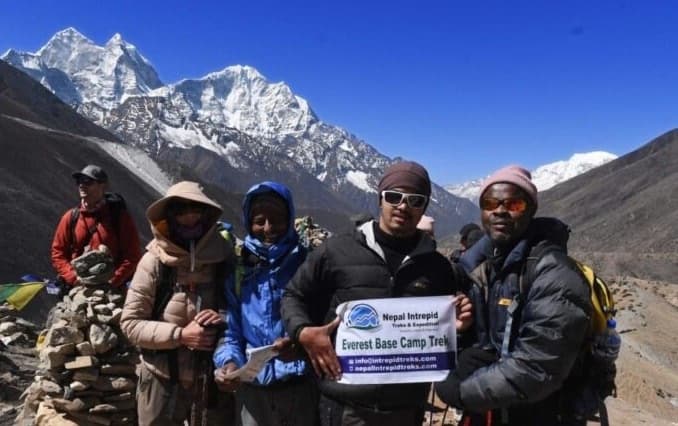
The Everest Base Camp trek is one of the most popular high-altitude trekking adventures in Nepal, attracting thousands of trekkers every year to the Khumbu region for panoramic Himalayan views, Sherpa culture, and the experience of reaching the base of Mount Everest. Planning the trek in 2026 requires far more than estimating a package price, because total Everest Base Camp trekking costs vary significantly based on trekking season, guide regulations, Lukla flight availability, accommodation standard, itinerary length, porter support, and overall trekking style. Travelers planning the Everest Base Camp (EBC) route must also account for mandatory permits, travel insurance with helicopter evacuation coverage, food and teahouse pricing at altitude, and rapidly changing transportation costs between Kathmandu and Lukla.
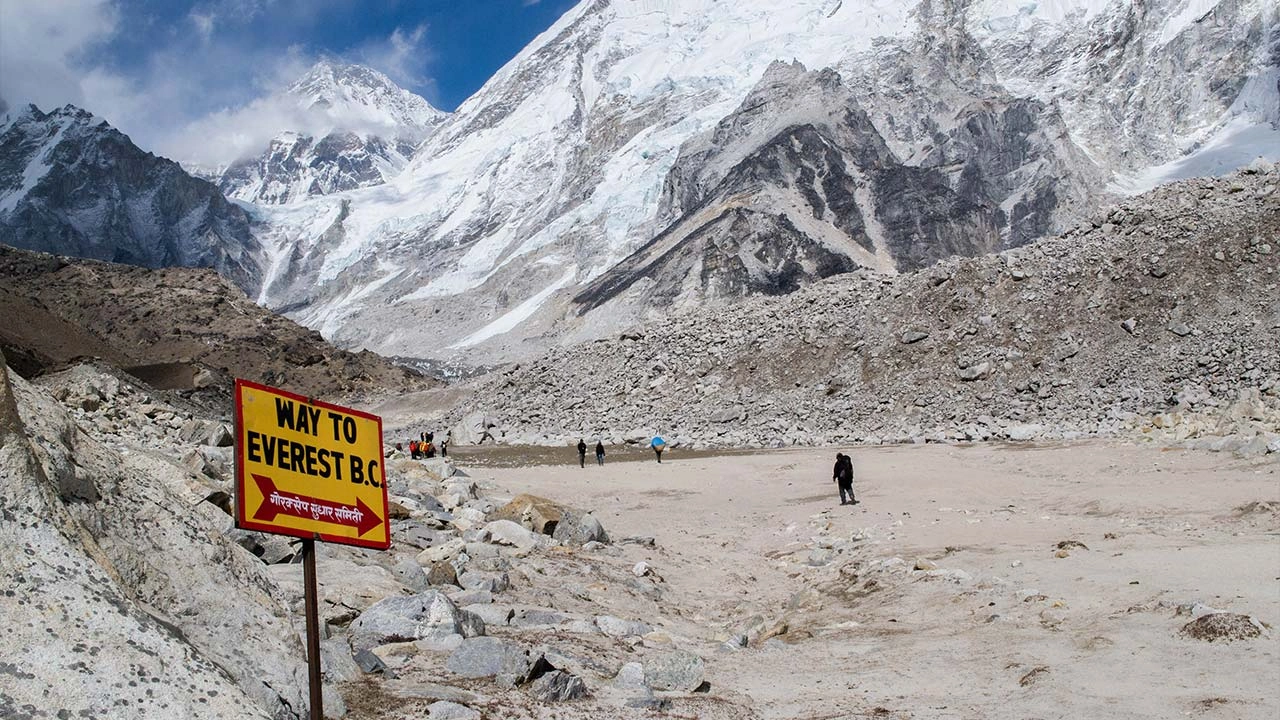
Most trekkers in 2026 spend between $1,000 and $5,500+ USD depending on whether they choose a budget, mid-range, or luxury Everest Base Camp experience. Budget trekkers reduce expenses through group departures, basic teahouses, and local meal choices, while premium trekkers spend substantially more on private guides, luxury lodges, helicopter returns, and flexible acclimatization schedules. Understanding the real cost structure of the Everest Base Camp trek helps trekkers avoid hidden expenses, prepare accurate Nepal trekking budgets, compare guided and independent trekking options, and make safer decisions for high-altitude travel in the Everest region.
What Is the Average Cost of the Everest Base Camp Trek in 2026?
The average cost of the Everest Base Camp trek in 2026 is $1,250–$2,500 USD for a standard 14-day guided package booked through a reputable local Nepali agency. Budget independent treks start from approximately $950 for core in-Nepal costs only. Private guided treks cost $1,800–$3,000.
This average assumes flying to and from Lukla, staying in teahouses throughout, hiring a licensed guide, and carrying all necessary permits. It does not include international flights to Kathmandu, personal gear, or travel insurance, three costs that typically add $800–$2,000 to the total.
Most trekkers from the US, UK, Europe, and Australia spend between $3,500 and $6,000 total when accounting for all direct and indirect expenses, including international airfare. Trekkers from Nepal and neighboring SAARC countries who already own gear and do not require international flights consistently complete the trek for $700–$1,200.
How Much Does a Budget Everest Base Camp Trek Cost in 2026?
A budget Everest Base Camp trek costs $950–$1,300 USD for the in-Nepal portion in 2026. This budget tier is achievable by joining a small-group departure from a local agency, carrying your own pack, choosing the least expensive teahouse rooms, and eating dal bhat twice daily.
The 4 primary budget levers are:
Permits: NRs 6,000 total (NRs 3,000 Sagarmatha National Park + NRs 3,000 Khumbu Trek-Card for most foreign nationals)
Lukla flights: $430–$510 round trip based on current 2026 one-way fares of $215–$255
Accommodation: $5–$15 per night at lower altitudes
Food: $15–$25 per day eating local meals
What most budget guides overlook: Nepal Tourism Board's revised TIMS provision explicitly lists the Everest Base Camp trek as a route that requires a licensed trekking guide and an agency-issued TIMS card. Trekkers who arrive without a guide cannot legally complete the route and will be turned back at checkpoints.
Travel insurance with helicopter evacuation coverage adds $80–$150 for the trek period. Skipping this is the single biggest financial risk in the Khumbu, a helicopter evacuation from altitude costs $3,000–$5,000 USD without insurance.
How Much Does a Mid-Range Everest Base Camp Trek Cost in 2026?
A mid-range Everest Base Camp trek costs $1,250–$2,500 USD for the in-Nepal portion in 2026. This tier includes a licensed English-speaking guide, one porter for every 2 trekkers, standard teahouse accommodation with attached bathroom where available, and a varied meal plan beyond basic dal bhat.
Mid-range trekkers typically book through a reputable Nepali trekking agency registered with TAAN. The agency fee covers guide salary, porter salary, staff meals, staff accommodation, agency overhead, and teahouse coordination during peak season.
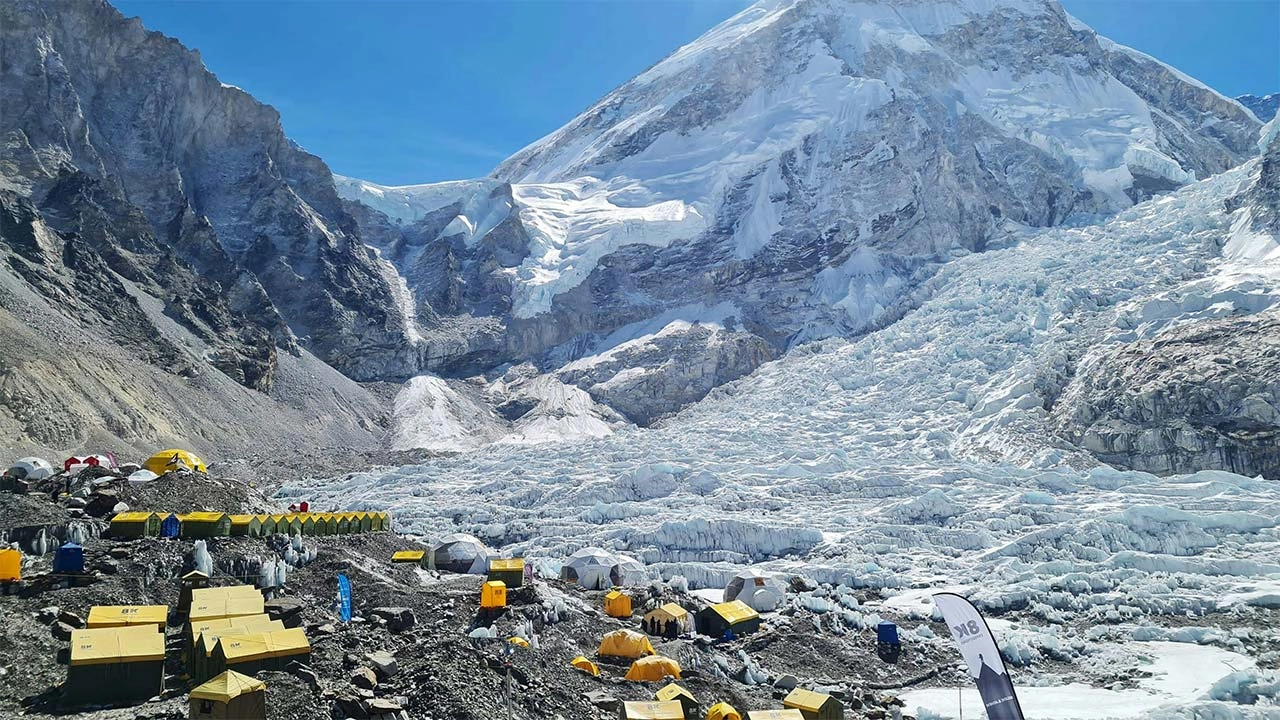
At this level, trekkers gain meaningful quality advantages over the budget tier: guides with Wilderness First Responder (WFR) or Wilderness First Aid (WFA) certification, better acclimatization scheduling, and faster response during altitude-related emergencies.
The mid-range tier is the most commonly recommended level for first-time Himalayan trekkers in 2026.
How Much Does a Luxury Everest Base Camp Trek Cost in 2026?
A luxury Everest Base Camp trek costs $3,000–$5,500+ USD for the in-Nepal portion in 2026. This tier includes premium lodge accommodation, private guides, multiple porters, and optional helicopter return from Gorakshep, which alone costs $800–$1,200 per person.
The 3 defining characteristics of the 2026 luxury tier are:
Accommodation: Private rooms with heated bathrooms and WiFi at lodges costing $40–$80 per night in premium teahouses, rising to $80–$200 at top-tier properties in Namche Bazaar and Tengboche
Guide-to-client ratio: 1:1 or 1:2 instead of the standard 1:6 or 1:8
Helicopter flexibility: Option to fly out from Gorak Shep ($800–$1,200 per person), Namche Bazaar, or any point on the route in poor weather or for acclimatization optimization
International luxury operators, such as World Expeditions, Exodus Travels, and premium Kathmandu agencies, typically include all logistics, airport transfers, Kathmandu hotel nights, farewell dinners, and comprehensive emergency support in their quoted price.
What Factors Affect the Cost of the Everest Base Camp Trek?
7 primary factors determine the total cost of an Everest Base Camp trek in 2026: trek duration, trekking season, group size, guide and porter arrangement, accommodation tier, meal choices, and permit fees.
Secondary cost drivers include gear ownership vs. rental, the point of origin for regional flights, and whether trekkers add side trips such as Gokyo Lakes, Kala Patthar, or the Three Passes.
Understanding how each factor interacts prevents significant budget miscalculations. A trekker who adds just 3 extra days, treks in peak October season, and includes a Kala Patthar summit adds approximately $250–$400 to their total in-Nepal cost.
How Does Trek Duration Impact the Total Cost?
Trek duration directly multiplies daily accommodation, food, and porter costs. The standard EBC trek duration is 12–14 days from Lukla. Each additional acclimatization day, which altitude safety protocols recommend, adds $40–$120 depending on altitude and lodge tier.
Extended itineraries of 16–20 days, including Gokyo Ri, the Cho La Pass, or the Three Passes route, add $300–$700 to the total in-Nepal budget. These extended routes deliver far greater trekking value per dollar spent and reduce altitude sickness risk through more gradual ascent.
Rushing the itinerary to save money on daily costs is the leading cause of costly helicopter evacuations. Spending an extra $100 on one additional acclimatization day costs far less than a $4,000 evacuation.
How Does the Trekking Season Affect Prices in 2026?
Peak season (October–November and March–May) increases teahouse and flight prices by 20–40% compared to off-season months. During peak 2026 windows, trekkers on a standard mid-range budget should plan for $1,400–$2,500 per person for in-Nepal costs.
The 4 trekking seasons and their 2026 pricing implications are:
Pre-monsoon peak (March–May): Highest demand, full teahouse pricing, best rhododendron views, budget $1,800–$2,500 for mid-range
Post-monsoon peak (October–November): Clearest skies, maximum crowds, peak prices, same range applies
Winter (December–February): 20–30% cheaper accommodation, cold temperatures below -15°C at Gorak Shep, fewer trekkers, budget $1,200–$2,000
Monsoon (June–September): Lowest prices, leeches on trail below Namche, frequent cloud cover, reduced Lukla flight reliability, budget $1,200–$1,800
Shoulder season (late November or early March) delivers the best price-to-experience ratio in 2026, with 15–25% lower costs and acceptable trail conditions.
How Does Group Size Influence Trekking Expenses?
Group size of 4–8 trekkers reduces the per-person guide cost by 30–50% compared to solo trekking. Guide fees are paid per group, not per person, so distributing one guide's daily rate of $25–$35 USD across 6 trekkers reduces the per-person daily cost to under $6.
Organized group tours with 8–12 participants offer the lowest per-person costs in the mid-range tier in 2026. Solo trekkers who join open-enrollment group departures through agencies access these savings without needing to form their own group.
The trade-off with large groups: fixed daily schedules, less flexibility for acclimatization adjustments, and shared guide attention during medical situations.
How Much Do Everest Base Camp Trek Permits Cost in 2026?
For 2026, most foreign trekkers should budget NRs 6,000 total for the two required Khumbu-area entries: NRs 3,000 for the Sagarmatha National Park permit and NRs 3,000 for the Khumbu Trek-Card municipal entry fee. SAARC and China nationals pay reduced rates on both.
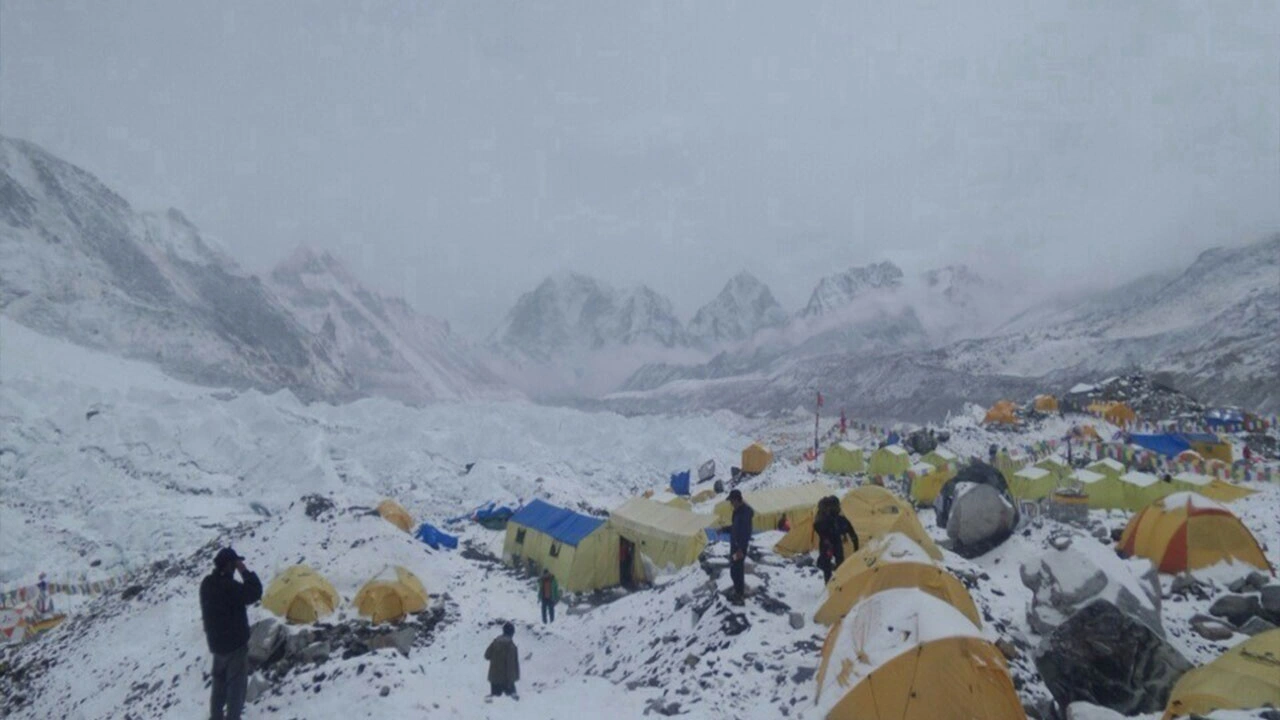
Permit costs are fixed government fees that do not change by season or group size. They represent the most predictable cost category in the entire EBC budget. Do not confuse EBC trekking permits with Everest summit climbing permits, which cost $11,000 USD and are entirely unrelated to the Base Camp trek.
Which Permits Are Required for the Everest Base Camp Trek?
Trekking to Everest Base Camp in 2026 requires 3 mandatory documents:
Sagarmatha National Park Entry Permit, required to enter the UNESCO World Heritage-listed national park encompassing the entire Khumbu region. Obtainable at the Kathmandu Tourist Service Center or at entry points along the route.
Khumbu Trek-Card (Municipal Entry Permit), a local government entry fee issued through the Khumbu municipality's Trek-Card service centers in Lukla. This is a separate requirement from the national park permit and is not obtainable in Kathmandu.
Agency-issued TIMS Card, Nepal Tourism Board's revised TIMS provision explicitly lists the Everest Base Camp trek as a route requiring a licensed trekking guide and a trekking agency-issued TIMS card. The TIMS card is separate from both permits above and is issued through registered agencies.
The Sagarmatha National Park permit can be paid in Kathmandu or at entry points, while the Khumbu Trek-Card is issued through the municipality's service in Lukla. Trekking agencies typically manage all three documents as part of their service fee.
How Much Is the Sagarmatha National Park Permit in 2026?
The official Sagarmatha National Park entry fee is NRs 3,000 for foreign nationals, NRs 1,500 for SAARC nationals, and NRs 100 for Nepali citizens, per the Nepal Tourism Board's current fee schedule.
This permit covers the entire trail corridor to EBC, Gokyo Lakes, and the Three Passes. The permit is checked at the Monjo entrance gate and again at random checkpoints further up the route. Payment is accepted at the Kathmandu Tourist Service Center or at park entry points on the trail.
How Much Is the Khumbu Trek-Card Fee in 2026?
The Khumbu Trek-Card fee is NRs 3,000 for most foreign nationals and NRs 2,000 for SAARC and China nationals. This fee is collected at Tourist Information Centers in Lukla, it is not available in Kathmandu, so trekkers must obtain it upon arrival in Lukla or at the next available checkpoint.
The Khumbu Trek-Card is a separate requirement from the national park permit and does not replace TIMS. The Everest Base Camp trek still falls under Nepal Tourism Board's revised TIMS provision, which requires trekkers to carry an agency-issued TIMS card and be accompanied by a licensed guide. EBC trekkers therefore carry 3 documents: the national park permit, the Khumbu Trek-Card, and the agency-issued TIMS card. Trekking agencies manage all three as part of their service fee.
How Much Does Transportation to Everest Base Camp Cost in 2026?
Transportation to the EBC trailhead costs $430–$650 USD round trip in 2026 depending on airline, route, and whether the trekker flies from Kathmandu or Ramechhap. This is the largest single transportation cost, and the most logistically sensitive, as Lukla airport weather cancellations affect approximately 30% of scheduled flights during monsoon and winter months.
Total transportation costs across the full trek, including airport taxis and internal Kathmandu transport, typically reach $480–$750 per trekker.
How Much Does the Kathmandu to Lukla Flight Cost in 2026?
Kathmandu–Lukla fares vary by airline, route, and season. Current 2026 public quotes for foreign passport holders are roughly $215–$255 one-way, with Ramechhap–Lukla fares typically running lower at around $175. The round-trip cost from Kathmandu therefore ranges from approximately $430–$510 depending on the operator and booking window.
Lukla flights operate from Tribhuvan International Airport (domestic terminal) or Ramechhap Airport (MNIA) when Kathmandu air traffic restrictions apply during peak season. Flights from Ramechhap require a 4–5 hour bus or taxi journey from Kathmandu, adding $25–$60 per person in ground transport cost but reducing the flight fare.
Book Lukla flights through a trekking agency during peak months, October and April flights sell out 2–3 weeks in advance. Always confirm current fares at the time of booking rather than relying on published guides, as airline tariffs are subject to revision by the Civil Aviation Authority of Nepal.
Are Helicopter Flights to Lukla More Expensive?
Private helicopter charters to Lukla cost $500–$800 per person (minimum 4-seat charter) in 2026, compared to $215–$255 for fixed-wing flights one-way. Shared helicopter seats from Kathmandu operators are occasionally available at $350–$450 per person.
Helicopter flights offer 3 practical advantages over fixed-wing aircraft: greater weather flexibility, faster terminal processing, and slightly more baggage tolerance. Most experienced trekkers choose fixed-wing flights unless the helicopter cost is covered by a luxury package or an early exit is needed due to altitude sickness.
How Much Should You Budget for Local Transportation in 2026?
Local transportation within the EBC trek corridor costs $40–$100 total in 2026. This covers airport taxi in Kathmandu (NPR 700–1,500 one-way), incidental porter jeep arrangements around Namche, and vehicle transport near the trail's lower sections.
Trekkers who include Kathmandu sightseeing before or after the trek budget an additional $50–$100 for taxi and tourist bus transport within the city.
How Much Do Accommodation and Food Cost During the 2026 Trek?
Accommodation and food on the EBC trail costs $35–$90 per day in 2026 depending on altitude, season, and lodge quality. This daily range covers teahouse room cost, breakfast, lunch, dinner, and 2–3 hot drinks. Total accommodation and food cost for a 14-day trek reaches $490–$1,260.
These costs represent the most variable portion of the EBC budget, choices made at each teahouse directly determine whether the total food and lodge bill lands at the lower or upper bound.
What Is the Average Cost of Teahouse Accommodation in 2026?
Teahouse accommodation on the EBC trail costs $5–$80 per night in 2026 depending on altitude and lodge standard. The pricing follows a clear geographic pattern:
Altitude Zone | Town Examples | Basic Room (per night) | Premium Room (per night) |
Low (2,800–3,500m) | Phakding, Namche Bazaar | $10–$30 | $40–$80 |
Mid (3,500–4,500m) | Tengboche, Dingboche | $8–$20 | $30–$60 |
High (4,500–5,364m) | Lobuche, Gorak Shep | $5–$15 | $20–$40 |
Counterintuitively, basic room prices decrease at higher altitudes because teahouse owners subsidize accommodation to attract customers for meals, which carry high markups. Premium teahouses in Namche Bazaar and Tengboche now offer private rooms with hot showers and WiFi at $40–$80 per night, a significant upgrade from the basic teahouse experience.
The "eat where you sleep" expectation remains standard across the Khumbu. Trekkers who pay for a cheap room and eat elsewhere sometimes face conflict with lodge owners who depend on meal revenue to cover accommodation subsidies.
How Much Do Meals and Drinks Cost on the Trail in 2026?
Meals on the EBC trail cost $4–$15 per dish at mid-trail altitudes, with prices increasing 15–25% with every 500-meter gain in elevation. A full day of eating, breakfast, lunch, dinner, costs $15–$35 depending on food choices.
Common trail meal costs at mid-altitude (Namche Bazaar level) in 2026:
Dal bhat (unlimited refills): $6–$9
Fried rice or noodles: $6–$10
Pasta or pizza: $8–$14
Boiled eggs (2): $3–$5
Hot lemon tea: $2–$4
Bottled water (1L): $2–$4 at Namche, $4–$7 at Gorak Shep
Canned drinks (Coke, Fanta): $3–$6
Dal bhat remains the best value meal on the trail in 2026. Unlimited refills, high caloric density, and unmatched cost-to-energy ratio make it the choice of every experienced guide and porter on the trail. Trekkers who eat dal bhat for 2 meals per day save $8–$15 daily compared to western menu selections.
Why Do Prices Increase at Higher Altitudes?
Prices increase at higher altitudes because of 3 compounding supply chain factors: yak and porter transportation costs, reduced lodge competition, and higher fuel consumption for cooking and heating.
Every item above Namche Bazaar (3,440m) travels either by yak (cost: $0.50–$1.50 per kilogram per day) or by porter. A single Coke bottle carried from Namche to Gorak Shep accumulates $1.50–$2.50 in transportation cost before the lodge adds its margin. Fuel costs at 5,000m run 5–8 times higher than at Kathmandu due to the same supply chain constraints. Trekkers who understand this structural reality stop resenting high-altitude prices and budget for them as a predictable cost.
How Much Does Hiring a Guide or Porter Cost in 2026?
Hiring a guide for the EBC trek costs $25–$35 per day in 2026. Hiring a porter costs $18–$25 per day. For a 14-day trek, guide fees reach $350–$490 and porter fees reach $252–$350 per porter.
These daily rates do not include the guide or porter's meals and accommodation, expenses that add approximately $10–$15 per day and are the trekker's (or agency's) responsibility as employer. Reputable agencies bundle staff costs into the package price. Independent trekkers must budget these separately.
Is Hiring a Guide Mandatory for Everest Base Camp in 2026?
For Everest Base Camp, hiring a guide is mandatory. Nepal Tourism Board's revised TIMS provision explicitly lists the Everest Base Camp trek under routes that require trekkers to be accompanied by a licensed trekking guide and carry an agency-issued TIMS card. Trekkers who arrive at Lukla or Monjo checkpoints without a licensed guide and TIMS card face being turned back on the route.
This is a meaningful shift from the previously common belief that EBC was open to independent trekking. The requirement has 4 practical implications beyond legal compliance:
Guide presence is verified at the TIMS checkpoint, not just suggested
Solo trekkers cannot join the route mid-trail without an agency-issued card
Budget trekkers must include guide cost in their minimum in-Nepal budget
Joining a group departure from a TAAN-registered agency is the most cost-efficient way to meet this requirement
The $350–$490 guide cost for 14 days is the most cost-effective safety and compliance investment in the entire trek budget.
How Much Does a Porter Typically Charge Per Day in 2026?
A licensed porter charges $18–$25 per day in 2026 for carrying loads up to 25 kilograms. High-altitude porters above 4,000m charge $25–$35 per day due to the additional physical demands and cold exposure at elevation.
Total porter costs for a 14-day EBC trek with one porter reach $252–$490 USD. Ethical trekking agencies include the porter's meals, accommodation, and cold-weather equipment in the contract automatically. Operators who do not provide porter equipment violate International Porter Protection Group (IPPG) guidelines, a compliance issue that also creates employer liability if the porter is injured.
Should You Choose an Independent Trek or a Guided Package in 2026?
An independent trek costs 15–30% less than a guided package in direct fees but requires 5–10 hours of pre-trek logistics management: permit acquisition, teahouse reservation research (critical during October peak season), guide and porter hiring, and emergency contact registration.
The 2026 financial comparison for a solo mid-range trekker:
Independent trek total (in-Nepal): $1,200–$1,800
Agency-organized trek total (in-Nepal): $1,250–$2,500
For first-time Himalayan trekkers, the guided package premium buys safety infrastructure, logistical reliability, and accountability. For experienced trekkers with prior Nepali trekking history, independent trekking remains a viable cost-reduction strategy, the savings gap has narrowed compared to prior years as independent logistics costs have risen alongside guided package competition.
What Gear and Equipment Costs Should You Expect in 2026?
First-time EBC trekkers who purchase all gear new spend $600–$1,200 USD on equipment. Trekkers who own hiking gear and only purchase Khumbu-specific items spend $150–$350. Trekkers who rent in Kathmandu's Thamel district spend $80–$200 for the trek duration.
Gear costs are a one-time investment for trekkers who plan multiple Himalayan adventures. For one-time trekkers, Thamel rentals provide equivalent function at a fraction of the purchase cost.
Which Trekking Gear Should You Buy Before the Trek?
7 items deliver the highest return on purchase vs. rental: hiking boots, base layer thermals, a 4-season sleeping bag, trekking poles, a 30–45L daypack, a down jacket rated to -10°C, and moisture-wicking hiking socks (bring 4–5 pairs).
These items are worth purchasing because:
Hiking boots require 2–4 weeks of break-in time; rental boots cause blisters at altitude
Sleeping bags in teahouses carry hygiene and loft consistency concerns
Down jackets are expensive to rent for extended periods and suffer damage from shared use
Trekking poles are highly personal in height and grip preference
Items safe and cost-effective to rent in Kathmandu in 2026 include: trekking gaiters, microspikes, down sleeping bag liners, and porter duffel bags.
How Much Does Renting Trekking Equipment Cost in 2026?
Trekking equipment rental in Kathmandu costs $1–$5 per item per day. For a 14-day trek, full gear rental (down jacket, sleeping bag, trekking poles, gaiters) totals $80–$200.
Common 2026 rental rates in Thamel, Kathmandu (per day):
Down sleeping bag: $1.50–$3
Down jacket: $2–$4
Trekking poles (pair): $1–$2
Crampons/microspikes: $1.50–$2.50
Duffel bag: $0.50–$1
Inspect sleeping bag loft, jacket fill integrity, and pole lock mechanisms before accepting rental items. Shops recommended by TAAN-registered agencies carry higher-quality inventory than street-level stalls in Thamel.
What Hidden Expenses Do Trekkers Often Forget in 2026?
8 frequently overlooked EBC costs add $250–$700 to the actual 2026 total:
Travel insurance with helicopter evacuation: $80–$150, non-negotiable for responsible trekking
Nepal visa fee: $30–$125 USD depending on duration (15-day: $30, 30-day: $50, 90-day: $125)
Kathmandu hotel nights: $25–$100 per night for 2–4 nights pre/post trek
WiFi and device charging fees: $2–$5 per hour above Namche; $3–$5 per day in teahouses, $15–$30 total for the trek
Hot shower: $3–$6 per shower at high-altitude teahouses
Diamox (altitude sickness medication): $15–$40 for a full course
Tips for guide and porter: $5–$10 per day for guides, $3–$5 per day for porters, totaling $100–$200 across the trek
Porter equipment provision: $30–$60 if the agency does not supply cold-weather gear to porters
The 2026 Lukla flight fare increase is also frequently missed by trekkers using budget guides based on 2024 or 2025 figures. Budgeting the old rate of $180–$220 instead of the current $254 one-way creates a $68–$148 underestimation on flights alone.
How Can You Save Money on the Everest Base Camp Trek in 2026?
The 5 highest-impact cost-reduction strategies for 2026 EBC trekking are: traveling in shoulder season, eating local food, joining a group departure, renting gear in Kathmandu, and booking directly with a local Nepali agency rather than through international platforms.
International booking platforms such as Viator, GetYourGuide, and Intrepid add 20–30% commission to the package price without adding trail-level value. Booking directly with a TAAN-registered Kathmandu agency removes this markup entirely.
When Is the Cheapest Time to Trek to Everest Base Camp in 2026?
Late November 2026 and early March 2026 deliver the lowest overall EBC costs. Accommodation prices drop 15–25%, flight availability improves, and trail crowds reduce significantly. Both windows offer stable trail conditions without the significant weather penalties of full monsoon or winter trekking.
For 2026 specifically, spring season (March–May) fixed departures are reportedly filling earlier than prior years. Trekkers targeting budget shoulder-season pricing should confirm late-November autumn availability, as October and early November 2026 peak-season demand has reportedly pushed into shoulder months.
How Can You Reduce Food and Accommodation Costs in 2026?
3 practical strategies reduce food and accommodation costs on the 2026 EBC trail by 20–35%:
Eat dal bhat twice daily instead of western menu items, saving $8–$15 per day ($112–$210 over the full trek)
Carry a reusable water bottle with purification tablets instead of buying bottled water ($2–$7 per bottle above Namche), saving $40–$80 over the full trek
Book teahouses through your guide, guides with established teahouse relationships frequently negotiate $3–$8 per night discounts not available to walk-in trekkers
Bringing chocolate bars, energy gels, and trail mix from Kathmandu reduces snack spending by $25–$50 total. Items purchased in Gorak Shep cost 8–12 times their Kathmandu price.
Are Group Tours More Affordable Than Solo Treks in 2026?
Group tours with 6–10 participants reduce per-person costs by $300–$700 compared to equivalent solo treks with the same service level. This reduction comes from shared guide costs, shared porter loads, and lodge negotiation leverage that agencies use with regular teahouse partners.
Group departure packages from Nepali agencies in 2026, available direct or through Viator and G Adventures, offer 14-day EBC treks for $1,120–$1,800 per person all-inclusive (excluding international flights and personal gear). These represent genuine value for solo travelers without a personal group. The trade-off: fixed pace and limited flexibility for individual acclimatization needs.
What Is Included in an Everest Base Camp Trek Package in 2026?
A standard EBC trek package in 2026 includes 6 core service categories: permit acquisition, guide service, porter service, teahouse accommodation, meals (breakfast and dinner), and Kathmandu airport transfers.
Package pricing from reputable Nepali agencies for a 14-day EBC trek ranges from $1,120 to $2,500 per person for groups of 2 or more. Solo trekkers pay a single supplement of $200–$400 above the group rate.
Which Services Are Usually Included in 2026 Trek Packages?
8 services are standard inclusions in reputable 2026 EBC trek packages:
Sagarmatha National Park permit (~$30 including VAT)
Khumbu Pasang Lhamu Rural Municipality permit (~$20)
English-speaking licensed guide
Porter (1 porter per 2 trekkers standard)
Teahouse accommodation (twin-sharing basis)
Breakfast and dinner at teahouses
Kathmandu airport transfers
Staff (guide and porter) meals, accommodation, and insurance
What packages do not typically include in 2026: Lukla flights ($508 round trip at current rates), travel insurance, personal trekking gear, trail lunches, hot showers, WiFi fees, and Kathmandu hotel nights outside trek dates.
What Extra Charges Are Common in 2026 Trekking Packages?
6 extra charges appear in nearly every 2026 EBC trek package contract:
Lukla flights: $430–$510 round trip at current 2026 fares (agencies arrange booking but bill separately due to airline-specific ticket requirements)
Single room supplement: $150–$350 for solo travelers wanting private room occupancy
Helicopter rescue or return: Charged at actual cost ($800–$1,200 from Gorakshep) if used; never included in standard packages
Extra acclimatization days: $60–$120 per unplanned extra day
Additional Kathmandu hotel nights: Standard packages include 1–2 nights; extra nights billed at hotel rate
Emergency satellite communication: $1–$3 per minute if used above Namche
Reading the package inclusions list carefully before signing prevents post-trek billing disputes. Transparent agencies list exclusions as clearly as inclusions in their written contract.
How Should You Plan Your Everest Base Camp Trek Budget for 2026?
Plan your 2026 EBC trek budget across 3 phases: pre-trek fixed costs, in-Nepal daily costs, and post-trek variable costs.
A practical mid-range budget framework for a 14-day EBC trek in 2026:
Cost Category | 2026 Budget Range (USD) |
Permits (Sagarmatha NRs 3,000 + Khumbu Trek-Card NRs 3,000) | ~$45–$55 |
Kathmandu–Lukla flights (round trip, $215–$255 one-way) | $430–$510 |
Accommodation (14 nights) | $200–$500 |
Food (14 days × $25 avg) | $350–$490 |
Guide fee (14 days × $30 avg) | $420–$490 |
Porter fee (14 days × $22 avg) | $280–$350 |
Gear (owned / rented) | $80–$400 |
Travel insurance with evac coverage | $100–$150 |
Nepal visa (30-day) | $50 |
Tips for guide and porter | $120–$200 |
Kathmandu hotel (3 nights, mid-range) | $75–$300 |
Total in-Nepal estimate | $2,150–$3,495 |
Add international flights from your home country ($600–$1,800 depending on origin, American trekkers typically pay $900–$1,500 from US cities) to arrive at the complete 2026 trip budget.
Can a Trekking Company Help You Manage Everest Base Camp Costs in 2026?
A TAAN-registered Nepali trekking company reduces cost uncertainty in 2026 by pre-negotiating teahouse rates, managing permit timelines, and packaging all core logistics into a single predictable fee.
The most valuable function a trekking company provides is budget predictability. Independent trekkers frequently overspend by $200–$500 due to unplanned expenses: extra nights from Lukla flight weather delays, emergency medical costs, and inefficient food choices from unfamiliarity with trail pricing.
Choose a trekking company registered with:
TAAN (Trekking Agencies' Association of Nepal)
NTB (Nepal Tourism Board)
These registrations verify regulated guide licensing and liability insurance. Unregistered operators offering unusually low 2026 prices ($600–$900 for a "14-day EBC package") cut costs by underpaying guides, underproviding porter equipment, and excluding services listed in the itinerary. The $1,000 minimum threshold for a safe, guided 14-day EBC experience is a widely cited 2026 industry benchmark from operators who disclose their actual operating costs.
What Are the Key Takeaways About Everest Base Camp Trek Costs in 2026?
The Everest Base Camp trek costs $950–$5,500+ USD for the in-Nepal portion in 2026, with the practical total for most international trekkers landing between $3,500 and $5,500 when all expenses, including international flights, gear, and insurance, are included.
7 essential cost facts every 2026 EBC trekker should confirm before departure:
Lukla flights run $215–$255 one-way in 2026 depending on airline and route. Ramechhap–Lukla fares are lower. Always confirm current fares at booking, tariffs are set by the Civil Aviation Authority of Nepal and subject to revision.
Permits total approximately NRs 6,000 for most foreign nationals: NRs 3,000 for Sagarmatha National Park and NRs 3,000 for the Khumbu Trek-Card. EBC also requires an agency-issued TIMS card. The $11,000 figure applies only to Everest summit climbers.
A licensed guide is mandatory for EBC, per Nepal Tourism Board's revised TIMS provision. Trekkers without a guide and TIMS card are turned back at checkpoints, this is no longer discretionary.
Skipping travel insurance is the most expensive financial risk. A helicopter evacuation without coverage costs $3,000–$5,000 USD.
Guide and porter fees total $700–$840 for 14 days at 2026 rates, the highest-value safety and compliance investment in the budget.
Booking directly with a Kathmandu agency saves 20–30% compared to international booking platforms that add commission without adding trail-level value.
Shoulder season trekking (late November, early March) cuts accommodation and flight costs by 15–25% with minimal impact on trail quality or safety.
.avif&w=1920&q=75)