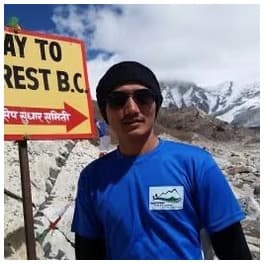
Trekking is the process of traveling through mountainous terrain over multiple days, where physical endurance, route planning, altitude awareness, and decision-making directly affect safety. Common trekking mistakes happen when first-time trekkers underestimate elevation gain, weather exposure, pack weight, and recovery demands on routes such as Everest Base Camp, Annapurna Circuit, and Langtang Valley. Many trekking failures begin before the trail starts, through poor preparation, incorrect trail selection, and missing safety equipment rather than a single event on the mountain.
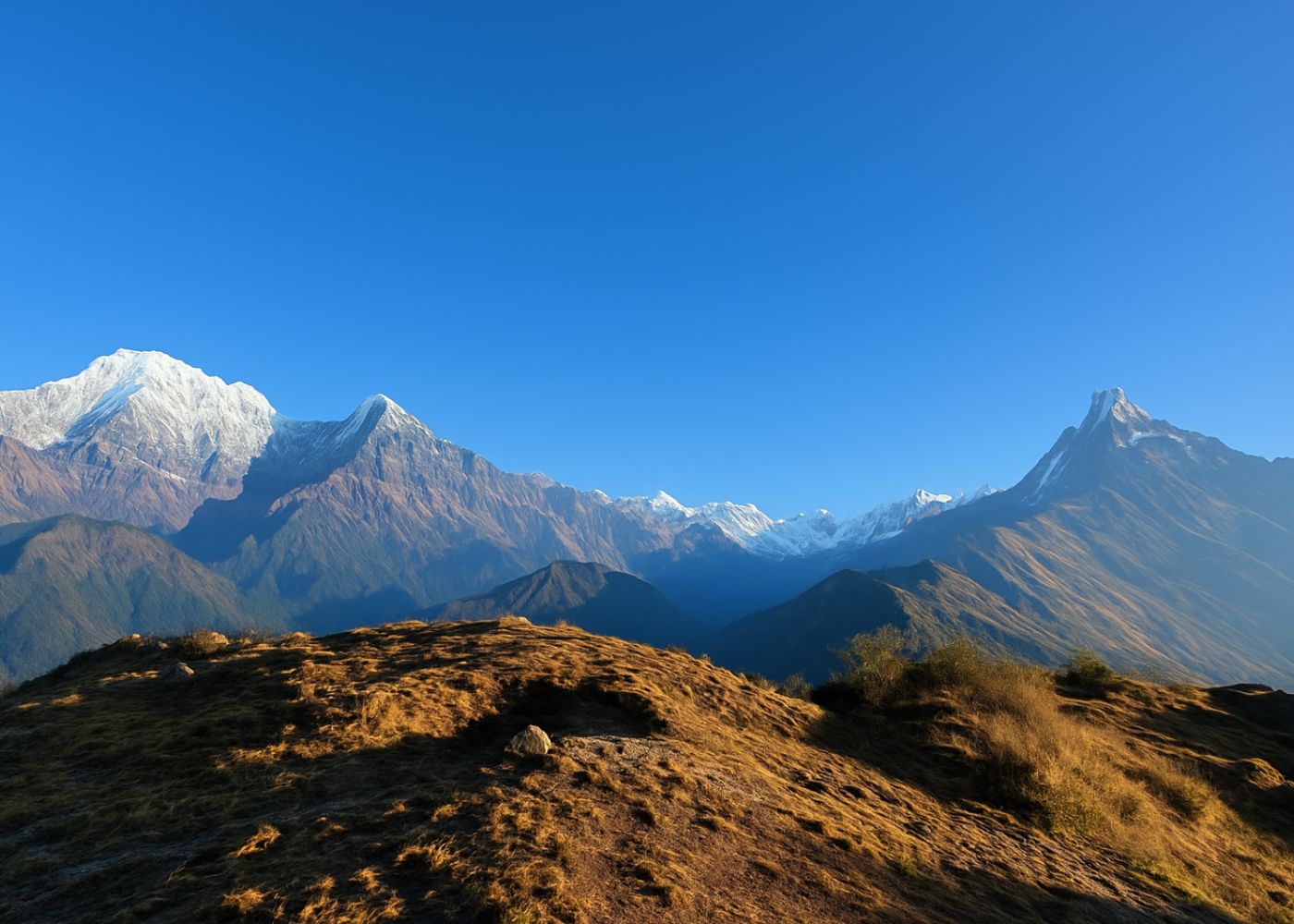
Trekking mistakes usually fall into 7 major categories: preparation, planning, packing, navigation, health management, trail behavior, and mental judgment. These errors often combine during multi-day treks, where dehydration, altitude sickness, fatigue, navigation mistakes, and poor pacing increase injury risk and force early turnarounds. Understanding the most common trekking questions, from fitness requirements and route research to emergency planning and acclimatization, helps trekkers build safer systems for trekking in the Himalayas, the Alps, and other high-altitude mountain environments.
Why Do So Many First-Time Trekkers Underestimate Preparation?
First-time trekkers underestimate preparation because they measure difficulty by distance alone, not by elevation gain, terrain type, weather exposure, or physical conditioning requirements. A 15 km trail in the Himalayas demands an entirely different preparation level than a 15 km walk on flat ground.
The root cause is a perception gap. Many beginners have completed day hikes and assume multi-day treks scale linearly. They do not. Cumulative fatigue, altitude acclimatization, and variable terrain create compounding physical demands that catch unprepared trekkers off guard as early as day two.
How Much Fitness Do You Really Need Before a Trek?
The fitness level required before a trek depends on 3 primary variables: trail elevation gain per day, total trekking duration, and pack weight. As a benchmark, trekkers on moderate trails, such as those in the Annapurna foothills or the Langtang Valley, perform best when they complete at least 6 weeks of cardiovascular conditioning before departure, including 3 to 4 sessions per week of sustained uphill walking, stair climbing, or running.
What most preparation guides skip: muscular endurance in the legs, specifically the quads and glutes, matters more than aerobic fitness on downhill sections. Descending with a loaded pack for 4 to 6 hours generates eccentric muscle stress that flat-terrain cardio does not train. Trekkers who neglect leg-specific strength training report severe muscle soreness by day two, which compromises their gait, increases fall risk, and forces early turnarounds.
For high-altitude treks above 4,000 meters, such as Everest Base Camp or Thorong La Pass, prior altitude exposure or hypoxic training adds a measurable safety margin. Without it, trekkers face a 30% higher incidence of acute mountain sickness symptoms.
What Gear Do Beginners Most Often Forget?
Beginners most often forget 5 critical gear items: a trekking pole pair, a headlamp with spare batteries, a waterproof pack cover, a blister prevention kit, and a personal first aid kit. Each of these absences creates a specific failure point on the trail.
Trekking poles reduce knee joint load by up to 25% on descents, a measurable benefit confirmed by biomechanical research at the University of Innsbruck. Without them, knee pain becomes the leading reason for premature trip termination on steep trails.
Headlamps are forgotten because trekkers assume they finish stages in daylight. Weather delays, wrong turns, and slower-than-expected pace regularly push trekkers into dusk. Without a headlamp, navigating rocky trail sections after dark creates a high ankle injury risk.
A waterproof pack cover protects sleeping gear, clothing, and electronics. Rain in mountain regions arrives without warning. A wet sleeping bag at altitude drops its insulation value by up to 90%, making overnight temperatures potentially dangerous.
Why Is Route Research Often Skipped?
Route research is skipped because most trekkers rely entirely on popular reputation rather than current trail conditions, seasonal access, permit requirements, and water source locations. "I heard it's a beautiful trail" replaces structured pre-trek intelligence gathering in a majority of first-time trekking cases.
A well-researched route brief covers 6 elements: daily elevation profiles, campsite or teahouse locations, water source intervals, permit and fee requirements, current trail closures, and emergency exit options. Trekkers who skip this step make critical decisions, like when to camp or when to push on, without the data those decisions require.
What Planning Mistakes Can Ruin a Trek?
Planning mistakes that ruin treks include choosing the wrong difficulty trail, misreading time-distance relationships, and ignoring regional weather patterns. These 3 errors account for the majority of rescue call-outs on well-known Himalayan, Alpine, and Andean circuits.
How Do People Choose the Wrong Trail for Their Skill Level?
People choose the wrong trail because trail difficulty ratings lack standardization across regions and trail databases. A "moderate" rating on one platform may reflect local norms, not universal fitness benchmarks. A trail rated moderate in Switzerland assumes trekkers can sustain 800 meters of elevation gain per day with a 10 kg pack, a standard that would qualify as "strenuous" in many US or Southeast Asian rating systems.
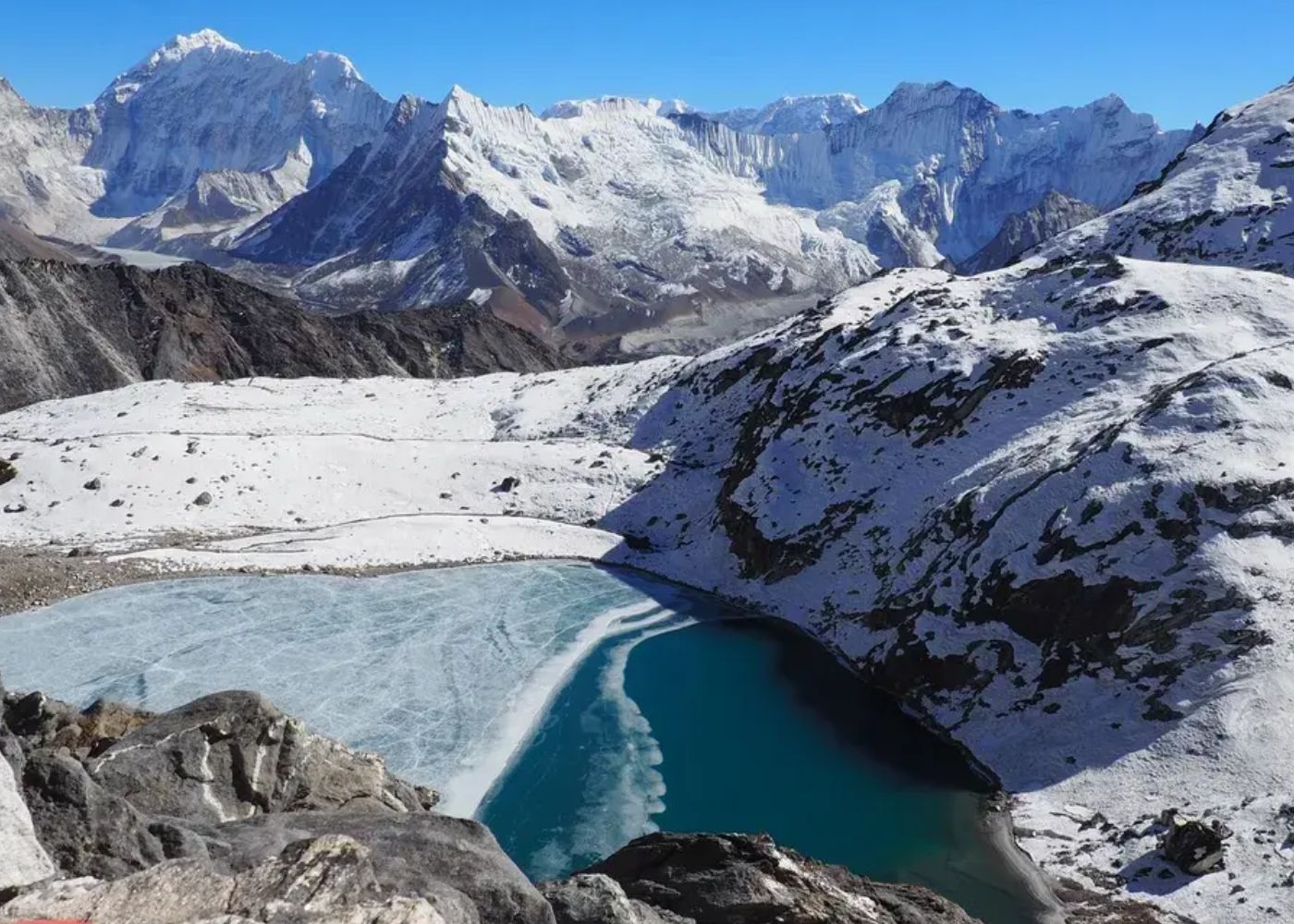
The correct matching process uses 4 objective criteria: maximum daily elevation gain (meters), total trail distance (km), pack weight (kg), and technical terrain type (scrambling, exposed ridges, river crossings). Match your current fitness against these numbers, not against subjective labels.
A practical rule: on your first overnight trek, choose a trail with no single day exceeding 700 meters of elevation gain and no terrain rated as "Class 3" or above. Build from there.
Why Do Trekkers Misjudge Time and Distance?
Trekkers misjudge time and distance because they calculate pace from flat-surface experience and ignore the Naismith Rule, a well-established hiking time formula that adds 1 hour of travel time for every 600 meters of ascent. On a trail with 1,200 meters of elevation gain, flat-pace estimates underestimate travel time by 2 full hours.
This miscalculation has a cascading consequence: trekkers arrive at camp after dark, set up tents or find teahouses in poor visibility, skip proper meal preparation, and begin the next day already fatigued. The error compounds across multi-day treks.
The fix is precise: use the Naismith Rule for planning, add a 20% buffer for terrain variability and rest stops, and set a firm turnaround time for each day's stage, regardless of whether the destination is reached.
What Happens When Weather Is Ignored?
When weather is ignored on a trek, trekkers face 4 escalating risks: hypothermia from unexpected temperature drops, trail closure from snow accumulation, lightning exposure on open ridges, and flash flood risk in valley corridors. Each of these risks is foreseeable with basic meteorological awareness.
Mountain weather operates on compressed timescales. A clear morning at 3,000 meters routinely becomes a thunderstorm by 2:00 PM in monsoon-affected regions. In the Himalayas, the pre-monsoon season (March to May) and post-monsoon season (September to November) offer the most stable windows, but neither eliminates afternoon storm risk.
Before any trek above 2,500 meters, check a mountain-specific forecast source, not a general weather app. Windy.com, Mountain Forecast, and local trekking agency briefings provide elevation-calibrated data that flat-terrain weather apps miss entirely.
What Packing Mistakes Are Most Common While Trekking?
The 3 most common packing mistakes trekkers make are overpacking unnecessary items, leaving out critical safety gear, and choosing improper footwear. Together, these errors add excess weight, increase blister and injury risk, and reduce trail safety margins.
Why Do People Overpack for Short Treks?
People overpack for short treks because they pack emotionally rather than functionally. The "what if" mindset, what if it rains, what if I need a spare shirt, what if the food is bad, fills packs with redundancies that add 3 to 5 extra kilograms by departure.
The functional packing framework operates on a single test: does this item serve a function I cannot replicate with something already in my pack? If not, it stays home.
For a 3-day moderate trek, a well-packed bag weighs between 8 and 12 kg. Each kilogram above this range increases energy expenditure on uphills by approximately 6% and raises injury risk on descents. Research from the U.S. Army Research Institute of Environmental Medicine confirms that pack weights above 30% of body weight significantly degrade trekking performance, a threshold casual trekkers routinely exceed.
What Essential Items Are Commonly Left Behind?
The 6 essential items most commonly left behind by trekkers are: a personal water filter or purification tablets, sun protection (SPF 50+ sunscreen and UV-protective sunglasses), a thermal base layer, an emergency whistle, a detailed paper map or downloaded offline map, and moleskin or blister treatment. Each absent item represents a specific, preventable failure mode.
At altitude, UV radiation intensity increases by approximately 4% for every 300 meters of elevation gain. Trekkers who skip sun protection sustain severe sunburn within a single day above 3,500 meters, impairing sleep and recovery. UV-protective sunglasses at altitude also prevent snow blindness, a condition that is genuinely debilitating and frequently underestimated.
A personal water filter removes dependency on boiled or purchased water, reduces plastic waste on the trail, and ensures hydration continuity when teahouse access is uncertain.
How Does Poor Footwear Cause Problems?
Poor footwear causes 3 distinct problems on the trail: blister formation from improper fit or inadequate break-in, ankle injuries from insufficient lateral support on uneven terrain, and moisture-related skin damage from non-waterproof materials. Together, footwear failure is the single most common reason trekkers cannot complete their planned route.
Trail runners work on dry, well-maintained trails with light packs. Backpacking boots with ankle support are the correct choice for multi-day treks with loads above 8 kg, steep descents, or rocky terrain. The critical variable is not brand, it is fit.
Boots require a minimum of 4 to 6 weeks of break-in wear before a multi-day trek. Wearing new boots on day one of an 8-day trek causes blisters by day two without exception. Break them in on shorter day hikes, wear the same socks you plan to use on trail, and check for pressure points before committing to a long route.
What Safety Questions Should Every Trekker Ask?
Every trekker must ask 4 safety questions before departure: What is my emergency exit plan? Who knows my itinerary? What is my communication plan? What is my turn-back threshold? Trekkers who answer these questions before the trail begin make better decisions under pressure.
What Should You Know Before Trekking Alone?
Before trekking alone, know that solo trekking carries 3 specific elevated risks compared to group trekking: delayed emergency response, reduced decision-checking (no second opinion on navigation or weather calls), and increased psychological pressure during difficulty. None of these risks make solo trekking impossible, but each requires a deliberate mitigation strategy.
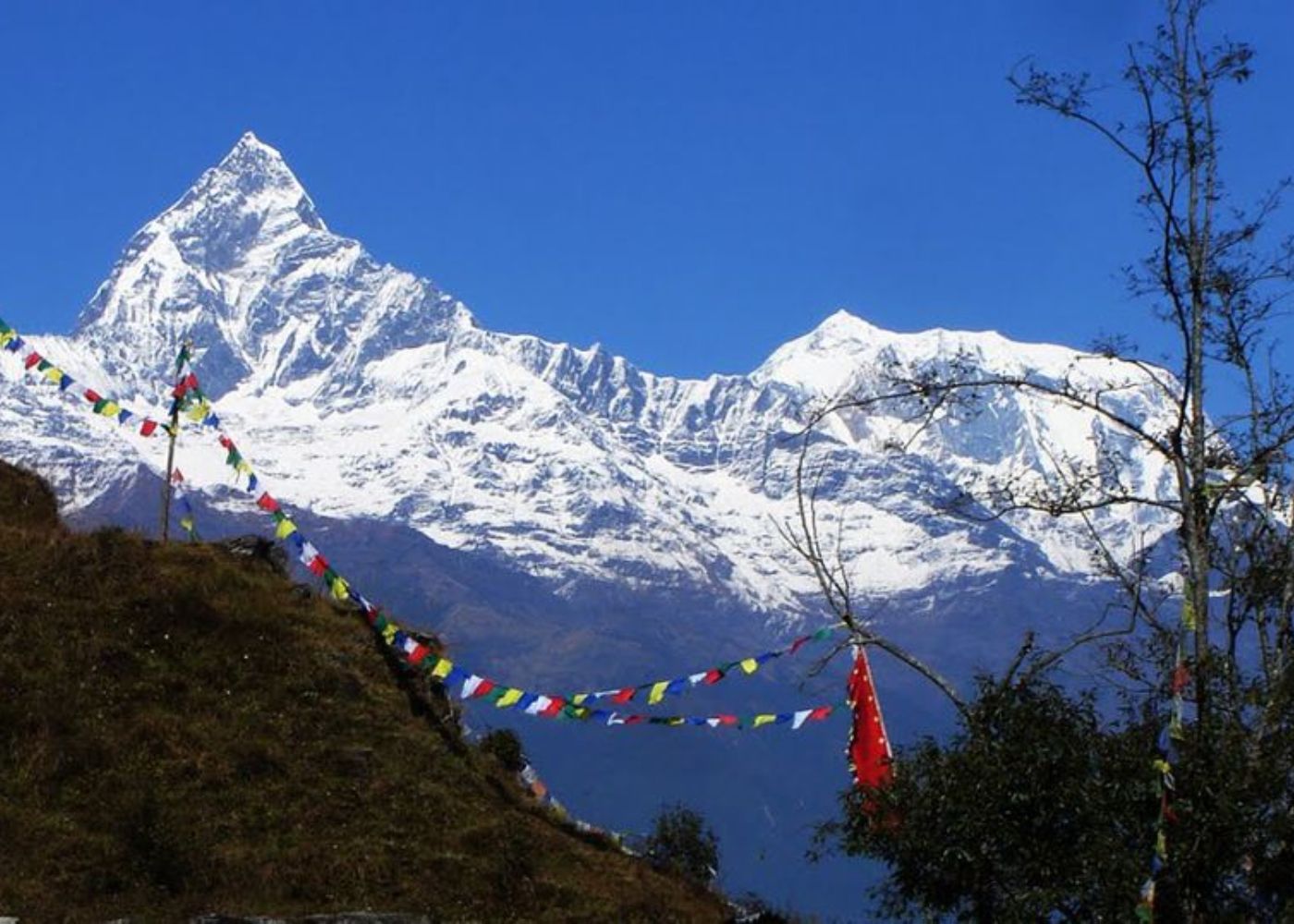
Solo trekkers on established routes in Nepal, for example, reduce emergency response delays by registering at each teahouse and TIMS checkpoint, by carrying a satellite communicator (such as a Garmin inReach), and by maintaining a daily check-in with a contact outside the trek zone.
The decision to trek solo is valid and, for many, deeply rewarding. The preparation standard for solo trekking is simply higher than for group trekking, not because the trail changes, but because the support structure does.
How Can You Handle Emergencies on the Trail?
Handling emergencies on the trail requires 5 pre-planned actions: activate your emergency communication device, administer basic first aid within your training level, assess whether self-rescue or assisted evacuation is appropriate, signal for help using a whistle or mirror, and stay in place if navigation uncertainty is high. Panic-driven movement is the most dangerous response to a trail emergency.
The most common trail emergencies are: altitude sickness (above 3,000 meters), severe ankle or knee injuries, heat exhaustion in lower-altitude summer treks, hypothermia in unexpected weather exposure, and dehydration-related syncope (fainting). Each of these conditions has a clear first-response protocol that pre-trek wilderness first aid training covers in 2 days.
Why Is Sharing Your Route Important?
Sharing your route with a trusted contact before departure reduces search and rescue response time by providing rescuers with a last-known location, planned daily stages, and a trigger timeline for when to raise an alert. In Nepal, the TIMS (Trekkers Information Management System) registration serves this function officially, but personal contact notification doubles the safety net.
The information a route-share contact needs covers 5 specifics: start date and location, planned daily stages, teahouse or campsite names, expected finish date and location, and the date and time after which an alert should be raised if no contact is received.
What Health Mistakes Do Trekkers Commonly Make?
The 4 most common health mistakes trekkers make are ignoring hydration targets, eating inadequately for caloric output, dismissing early altitude symptoms, and skipping rest days on long high-altitude treks. Each of these mistakes accelerates physical deterioration faster than the terrain alone.
Why Do People Ignore Hydration During Treks?
People ignore hydration during treks because thirst signals at altitude are suppressed by cool temperatures and the body's increased respiratory rate. At 3,500 meters, a trekker loses 1 to 1.5 liters of additional fluid per day through increased respiration alone, before accounting for sweat.
The hydration target on a moderate trekking day at altitude is 3 to 4 liters of water. Most trekkers consume half that amount. Dehydration at altitude directly worsens the symptoms of acute mountain sickness, reduces cognitive clarity for navigation decisions, and decreases physical endurance.
A practical cue: urine color is the most reliable field hydration indicator. Pale yellow indicates adequate hydration. Dark yellow or amber indicates deficit. This requires no equipment and provides real-time feedback.
How Does Poor Nutrition Affect Performance?
Poor nutrition on a trek manifests in 4 measurable performance decreases: reduced glycogen availability for sustained climbing, impaired thermoregulation in cold conditions, slower recovery between daily stages, and decreased immune function during multi-week treks. Carbohydrate intake is the single most impactful nutritional variable on trekking performance.
Trekking at moderate intensity burns between 400 and 600 calories per hour depending on pack weight and gradient. A full trekking day of 6 to 8 hours generates a 2,400 to 4,800 calorie expenditure. Most teahouse menus, while sufficient in carbohydrates (rice, dal bhat, noodles), fall short in protein and fat, macronutrients that support muscle repair and sustained energy.
Carry trail-specific snacks, nuts, seeds, energy bars, and dried fruit, to supplement teahouse meals and to maintain caloric intake during stages when food access is limited.
What Are the Signs of Altitude or Exhaustion Problems?
The 6 primary warning signs of altitude sickness are: persistent headache that does not resolve with rest or ibuprofen, nausea or vomiting, loss of coordination (ataxia), confusion or altered mental status, dry cough that worsens at rest, and swelling in the hands, feet, or face. Any one of these symptoms, especially above 3,500 meters, warrants an immediate pause in ascent.
The golden rule at altitude: never ascend with symptoms. Attempting to "push through" altitude sickness is the primary cause of high-altitude cerebral edema (HACE) and high-altitude pulmonary edema (HAPE), both life-threatening conditions. The only reliable treatment for worsening altitude sickness is descent.
Exhaustion signals differ from altitude signals: muscle fatigue, joint pain, and reduced motivation are normal and manageable with rest. Disorientation, loss of coordination, or unusual irritability at altitude are neurological warning signs requiring immediate descent and medical evaluation.
What Navigation Errors Do People Make on the Trail?
The 3 most serious navigation errors on the trail are exclusive reliance on mobile phone signal for GPS, failure to read trail markers and junctions correctly, and absence of backup navigation tools. These errors are entirely preventable with a 30-minute pre-trek navigation preparation routine.
Why Do Trekkers Rely Too Much on Mobile Signals?
Trekkers rely too much on mobile signals because smartphone GPS navigation has become instinctive in daily life, creating a false assumption that signal availability scales to remote terrain. In mountain regions above 3,000 meters, mobile network coverage drops to zero in 60% of trail corridors. Satellite GPS (the location-sensing component) remains active without network coverage, but only if an offline map is pre-downloaded.
The distinction matters: GPS hardware works without mobile signal, but most mapping apps require a data connection to render map tiles unless explicitly set to offline mode. Trekkers who do not download offline maps before departure find their GPS dot floating over a blank screen, position without context.
How Can Poor Navigation Lead to Risk?
Poor navigation creates trail risk through 3 specific failure scenarios: taking a wrong fork that leads to an unmaintained or dangerous route, misjudging remaining daylight based on incorrect distance estimates, and descending into the wrong valley due to misread topographic features. In complex mountain terrain, these errors escalate from inconvenience to emergency within hours.
In the Himalayas alone, the trail network includes hundreds of junctions without consistent signage. The popular EBC (Everest Base Camp) trail has at least 9 junctions where wrong turns lead significantly off-route. Trekkers without prior route study or a local guide face meaningful navigation uncertainty at each of these points.
What Backup Navigation Tools Should You Carry?
Every trekker carries 3 backup navigation tools as standard: a downloaded offline map (apps such as Maps.me or Gaia GPS), a printed paper map of the trail region, and a baseplate compass with basic proficiency in its use. A satellite communicator with two-way messaging (Garmin inReach, SPOT) adds emergency communication independent of mobile networks.
These tools weigh a combined 200 to 400 grams and occupy minimal pack space. The information gap between trekkers who carry them and those who do not becomes critical precisely when conditions are most difficult, in poor visibility, after dark, or in unfamiliar terrain.
What Trail Etiquette Mistakes Should You Avoid?
The 5 most common trail etiquette mistakes trekkers make are: disturbing wildlife, leaving waste on the trail, failing to yield correctly to other trail users, playing music or making excessive noise in natural areas, and disrespecting local cultural customs near villages and religious sites.
Why Do Some Trekkers Disturb Wildlife or Nature?
Some trekkers disturb wildlife because proximity to animals during a trek feels like a reward, a close encounter worth pursuing. The behavioral consequence for the animal, however, is significant: repeated human disturbance of nesting sites, feeding areas, or migration corridors causes habitat abandonment in species as sensitive as the Himalayan tahr, snow leopard, and red panda.
The correct behavior around wildlife is 3-part: maintain a minimum distance of 30 meters from any wild animal, never feed or attempt to attract wildlife, and move quietly and slowly if an animal is encountered on the trail. Observe, do not approach.
How Should You Respect Local Communities and Trails?
Respecting local communities on trekking trails requires 4 specific behaviors: asking permission before photographing local people, removing footwear when entering homes, monasteries, or gompa buildings, purchasing from local businesses rather than carrying all supplies from urban centers, and learning a minimum of 5 words in the local language as a basic courtesy signal.
In Nepal's trekking regions, local economies depend directly on trekking traffic. Each rupee spent at a local teahouse, porter service, or community shop reinforces an economic model that sustains trail maintenance and community support for trekking routes. Trekkers who bypass local services extract value from the trail without contributing to its sustainability.
What Leave No Trace Habits Matter Most?
The 4 Leave No Trace habits with the highest impact on mountain trail ecosystems are: packing out all waste including food scraps and packaging, using established toilet facilities or burying human waste 60 meters from water sources and 15 centimeters deep, staying on marked trails to prevent vegetation damage, and leaving natural objects, stones, plants, fossils, undisturbed. Each of these behaviors is a decision made multiple times per day on the trail.
In high-traffic trekking corridors, cumulative visitor impact erodes trail edges, degrades water quality, and eliminates sensitive alpine vegetation. The Annapurna Conservation Area, for example, receives over 100,000 trekking visitors annually. At that scale, individual Leave No Trace compliance becomes a collective environmental responsibility.
What Mental Mistakes Affect Trekking Success?
The 3 most damaging mental mistakes in trekking are starting at an unsustainable pace, allowing panic to drive decisions under pressure, and treating turning back as failure. Physical preparation handles 50% of trekking performance. Mental discipline handles the other 50%.
Why Do People Start Too Fast?
People start too fast on the first day because excitement, group peer pressure, and cool morning temperatures suppress the perceived effort of early exertion. The physiological consequence arrives 2 to 4 hours later: glycogen depletion, elevated heart rate at rest, and muscle fatigue that compounds across subsequent days.
The correct pacing principle at altitude is "pole-pole", the Swahili phrase used on Kilimanjaro that translates to "slowly, slowly." At any elevation above 2,500 meters, a pace that feels almost too slow at the start is almost always the correct pace. Trekkers who arrive at camp with energy to spare recover faster than those who arrive exhausted, even if the latter covered more ground initially.
A measurable pacing benchmark: you maintain correct trekking pace at altitude when you can hold a full conversation without breathlessness. The moment conversation becomes difficult, pace drops immediately.
How Does Panic Lead to Poor Decisions?
Panic on the trail narrows cognitive focus, suppresses rational decision-making, and triggers reactive movement, the opposite of what trail emergencies require. The most dangerous panic-driven decisions are: descending rapidly without a known route, abandoning a functioning shelter to seek help in deteriorating weather, and separating from a group in poor visibility.
The counter to panic is a pre-rehearsed response protocol. Before the trail, establish 3 anchor decisions: "If I am lost, I stop and assess before moving." "If weather closes in, I shelter and wait." "If a group member is injured, I signal before I move." Having these decisions made in advance removes the need to reason under stress.
Why Is Turning Back Sometimes the Best Choice?
Turning back is the best choice when 3 conditions are met: worsening weather with no shelter within safe reach, physical symptoms that impair coordination or cognition, or trail conditions that exceed your confirmed technical skill level. The mountain does not close, but the window to return safely does.
Summit fever, the compulsion to reach a goal despite warning signs, is the psychological state responsible for the majority of serious mountain accidents worldwide. Experienced trekkers and mountaineers define success not by reaching the destination but by returning safely. The summit or endpoint is irrelevant if the return journey becomes an emergency.
Turning back on day three to return safely is a complete, successful trek. An evacuation from altitude is not.
What Common Trekking Questions Help You Avoid Mistakes?
The 5 most useful pre-trek questions that prevent beginner errors are: Does this trail match my current fitness level? What permits do I need? What are the current trail conditions? What is my emergency plan? What is my daily turnaround time? Answering these 5 questions before departure eliminates the majority of planning failures.
How Do You Know a Trek Matches Your Ability?
A trek matches your ability when your current fitness supports the trail's 4 key physical demands: daily elevation gain, total daily distance, pack weight, and terrain technicality. Use the trail's objective specifications, not its reputation or marketing description, to make this assessment.
If your longest recent hike was a 5 km flat walk, a trail with 900 meters of daily elevation gain does not match your current ability. The gap is not bridged by motivation, it is bridged by 6 to 8 weeks of specific physical preparation before departure.
A 3-step ability check:
-
Research the hardest day on the trail (maximum elevation gain and distance).
-
Compare against your longest recent uphill hike with a loaded pack.
-
If the gap exceeds 30%, train specifically for that demand level before committing.
What Should You Check Before Starting a Trek?
Before starting a trek, check 8 items: weather forecast for the full duration, gear completeness against a validated checklist, permit and registration requirements, teahouse or campsite availability on the route, trail condition reports from the past 2 weeks, emergency contact registration with local authorities, satellite communicator or communication plan activation, and personal health status including any recent illness. Each of these checks takes minutes and prevents days of avoidable difficulty.
How Can Experience Reduce Beginner Errors?
Experience reduces beginner errors through 3 mechanisms: pattern recognition (knowing what warning signs look like before they escalate), calibrated pacing (knowing your actual sustainable pace at altitude rather than an estimated one), and equipment literacy (knowing how each piece of gear functions under real conditions). All 3 require time on the trail, which is why progressive difficulty, from day hikes to overnight treks to multi-day routes, is the most reliable development path.
Trekkers who compress this progression, jumping directly from day hikes to 2-week high-altitude circuits, face the steepest learning curve at the highest consequence level. The trail does not adapt to the trekker's timeline.
How Should You Approach Trekking With Professional Support?
Trekking with professional support, licensed guides, experienced porters, or structured trekking agencies, reduces route-specific errors, improves safety response capacity, and provides real-time local knowledge that no amount of pre-trek research fully replaces.
Can Professional Guides Help You Avoid Trekking Mistakes?
Professional guides help trekkers avoid mistakes across 5 specific domains: route navigation, weather judgment, altitude acclimatization pacing, cultural guidance, and emergency response. A licensed guide on the Everest Base Camp trail, for example, reads trail conditions, recognizes early altitude symptoms in clients, and coordinates with rescue networks in ways that take independent trekkers years of experience to develop.
The value of a professional guide is highest on technically complex routes, at high altitude, for solo trekkers, and for those on their first multi-day Himalayan trek. On well-marked, lower-altitude trails with teahouse infrastructure, independent trekking with thorough preparation is entirely viable, but the guide advantage remains at every level.
Licensed guides in Nepal are registered through the Nepal Tourism Board. Hiring through a registered agency provides accountability, trained staff, and insurance coverage that informal arrangements do not.
What Are the Key Takeaways About Trekking Mistakes?
Trekking mistakes are predictable, categorized, and preventable. The 7 categories, preparation, planning, packing, safety, health, navigation, and mental management, each contain specific errors with specific solutions. No single mistake ruins a trek in isolation. It is the cluster of unaddressed mistakes that creates genuine danger.
The 10 most important trekking principles that prevent the most common mistakes are:
-
Build fitness for the specific demands of your target trail, elevation gain, not just distance.
-
Research your route using objective trail data, not reputation or marketing descriptions.
-
Pack functionally: every item justifies its weight by serving a function nothing else covers.
-
Choose and break in footwear 6 weeks before your departure date.
-
Hydrate to 3 to 4 liters per day at altitude, track urine color as your real-time indicator.
-
Register your route and daily stage plan with a trusted external contact.
-
Download offline maps before departure and carry a paper backup.
-
Know the 6 symptoms of altitude sickness and the rule: never ascend with symptoms.
-
Set daily turnaround times and respect them regardless of progress.
-
Define your turn-back threshold before you start, and treat turning back as success, not failure.
Trekking rewards preparation proportionally. The more precisely you prepare for the specific demands of your route, the more freely you experience the trail itself, without the mental overhead of managing avoidable problems.
Every mistake in this guide has been made by experienced trekkers, not just beginners. The difference is that experienced trekkers have built the systems that prevent them from compounding. Build those systems before you leave the trailhead, and the mountain becomes exactly what trekking promises: a genuinely transformative experience.