Nepal isn’t just for month-long expeditions. Even with only 3 to 7 days, you can trek through rhododendron forests, stay in welcoming tea houses, and wake up to Himalayan sunrises that feel postcard-perfect. The best short treks combine Nepal’s top highlights with panoramic mountain views, vibrant local culture, and rewarding trail challenges into routes that fit realistic travel schedules.
This guide features 10 of the best short treks in Nepal for 2026, ranging from easy ridge walks near Pokhara to more demanding base-camp-style routes that rise above 4,000 meters. Popular options include Poon Hill (3,210 m) for its famous sunrise views, quieter routes like Mardi Himal Base Camp (4,500 m), and accessible favorites near Kathmandu such as the Langtang trek to Kyanjin Gompa (3,870 m). With detailed comparisons, difficulty insights, and practical planning tips, you can the trek that best matches your schedule, fitness level, and ideal Himalayan experience.
What Defines a "Short Trek" in Nepal?
A short trek in Nepal typically lasts between 3 and 7 days and reaches elevations ranging from about 2,500 to 4,500 meters. These routes are designed for trekkers with moderate physical fitness and do not require technical climbing skills. They offer access to iconic Himalayan views, traditional mountain villages, and varied ecosystems, while remaining relatively close to major transport hubs such as Kathmandu and Pokhara.
Three main factors define a short trek: duration, distance, and accessibility. The trekking portion usually spans 3 to 7 days, not including travel time to and from the starting point. Total trail distance generally ranges from 30 to 80 kilometers, with daily walking times of 4 to 7 hours. Trailheads are typically reachable within a 6 to 8-hour drive from Nepal’s primary cities, making these routes practical for travelers with limited time.
Unlike day hikes, short treks include overnight stays in mountain villages. Trekkers sleep in tea houses at elevations between 2,000 and 4,200 meters. Spending the night at these heights introduces basic acclimatization considerations and provides opportunities to experience local culture in ways that single-day hikes do not.
Elevation is another key distinction between short treks and high-altitude expeditions. Most short routes peak between 2,500 meters, such as the Royal Trek, and around 4,500 meters, like Mardi Himal Base Camp. This elevation range helps reduce the risk of acute mountain sickness while still delivering sweeping Himalayan views of peaks including Annapurna, Dhaulagiri, Langtang, and Everest.
Technical demands remain minimal on short treks. The trails are well-established and do not require ropes, ice axes, or mountaineering experience. However, trekkers should be prepared for steady uphill and downhill walking on uneven terrain, crossing suspension bridges, and staying in simple mountain accommodations.
Why Short Treks Over Multi-Week Expeditions?
Short treks offer a focused Himalayan experience without the heavy time, financial, and physical demands of multi-week expeditions. They are ideal for travelers who want dramatic mountain scenery and cultural immersion but have limited vacation time, tighter budgets, or concerns about extreme altitude.
One of the main advantages is time efficiency. In just five days, the Poon Hill trek delivers sunrise views of 8,000-meter peaks, walks through rhododendron forests, and visits to traditional Gurung villages. In contrast, longer routes such as the Annapurna Circuit typically require 15 to 21 days to achieve a similar level of mountain exposure.
Shorter duration also reduces overall costs. On established tea house routes, daily expenses for meals, lodging, and porter services generally range from $25 to $40 per person. This places a 5-day trek at approximately $125 to $200, while a three-week expedition can cost $450 to $800 or more, not including permits and transportation.
Altitude exposure is another important consideration. Most short treks remain below 4,500 meters, lowering the risk of acute mountain sickness compared to high passes that exceed 5,000 meters. Routes such as the Langtang Valley follow gradual elevation gains, allowing trekkers to acclimatize naturally without the need for multiple rest days.
Short treks also provide flexibility. Travelers can combine two or even three routes within a single trip to Nepal, exploring different regions and landscapes. For example, pairing Poon Hill in the Annapurna region with Pikey Peak in the Everest region offers geographic variety that is difficult to achieve on one extended trek.
Finally, the physical preparation required is more manageable. Training for a five-day trek typically involves 8 to 12 weeks of cardiovascular exercise and hiking practice, whereas demanding high-pass or base camp expeditions may require 16 to 20 weeks of preparation. This lower barrier to entry makes short treks especially appealing for first-time visitors testing their interest in the Himalayas.
Who Should Short Treks in Nepal?
Short treks in Nepal are well suited to a wide range of travelers. They are especially ideal for first-time Himalayan trekkers, busy professionals with limited vacation time, families with older children, active older adults, solo travelers, and budget-conscious adventurers. These routes combine manageable challenges with accessible logistics, making them practical across different ages and fitness levels.
For beginners, short treks provide a strong introduction to trekking in the Himalayas. Well-marked trails and established tea house infrastructure make routes such as the Ghorepani Loop and Royal Trek approachable. New trekkers can experience mountain walking, local culture, and moderate altitude without committing to remote, multi-week expeditions. Completing a shorter trek often builds the confidence needed to attempt longer routes in the future.
Professionals with tight schedules also benefit from shorter itineraries. A 7-day trek in the Langtang Valley, for example, can fit into a 10-day holiday when travel days are included. This structure allows for meaningful mountain immersion without using up an entire annual leave balance.
Families with children aged 8 to 16 can successfully complete several short treks together. Routes like Poon Hill and Ghorepani offer gradual ascents, welcoming tea houses, and culturally engaging stops along the way. Daily distances of 10 to 15 kilometers are manageable for young hikers when paced over five to six hours with regular breaks.
Top 10 Best Short Treks in Nepal (3-7 Days)
Poon Hill Trek: Classic Sunrise Experience (4-5 Days)
Best for: Beginners, couples, families, and classic sunrise views
Difficulty: Easy to Moderate
Max altitude: 3,210 m
Starting point: Pokhara
Poon Hill trek delivers panoramic sunrise views of Annapurna and Dhaulagiri ranges from 3,210 meters, combined with rhododendron forests and Gurung villages. This 4 to 5 day route starts from Nayapul (1 hour from Pokhara) and covers 35 to 40 kilometers through moderate terrain.
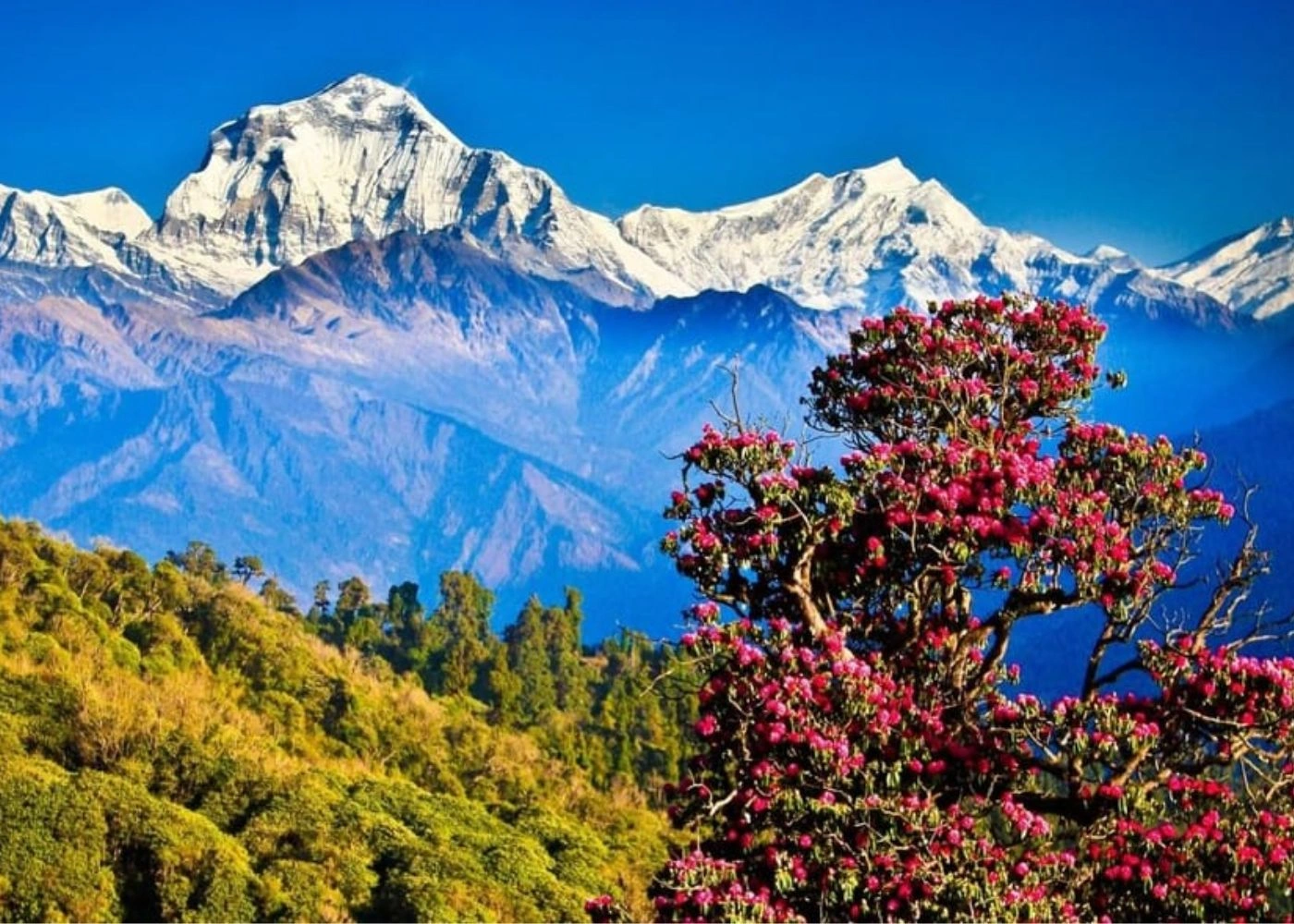
The trek follows established trails through Tikhedhunga, Ghorepani, and Tadapani. Daily walking times range from 5 to 6 hours with elevation gains between 600 and 800 meters. Maximum altitude of 3,210 meters minimizes acclimatization concerns while providing views of Annapurna I (8,091m), Dhaulagiri (8,167m), and Machhapuchhre (6,993m).
Spring season (March to May) showcases blooming rhododendrons in vivid red, pink, and white. Autumn (September to November) offers clear skies with 95% visibility probability. Winter months provide solitude with snow-covered higher elevations.
Tea houses in Ghorepani and Tadapani offer heated dining rooms, WiFi access, and hot showers for $2 to $3. Accommodation costs $3 to $5 per night with meals priced at $4 to $7. Total trek expenses range from $150 to $200 for independent trekkers.
Why it: Easy access, iconic sunrise, teahouse comfort, beginner-friendly
Possible drawbacks: Popular trail, can be busy in peak season
Best season: Spring and autumn
View itinerary: Ghorepani Poon Hill Trek
Customize this trek: Yes, can be shortened or extended from Pokhara
Ghorepani Loop: Rhododendron Forests and Mountain Views (4-5 Days)
Best for: Classic short trek, sunrise views, and rhododendron forests
Difficulty: Easy to Moderate
Max altitude: Around 3,210 m at Poon Hill
Starting point: Nayapul or Ulleri via Pokhara
Ghorepani Loop combines Poon Hill viewpoint with a circular route through Ghandruk village, creating a 4 to 5 day itinerary showcasing Gurung culture and diverse ecosystems. The 45-kilometer circuit offers richer cultural immersion than the standard Poon Hill trek through extended village time.
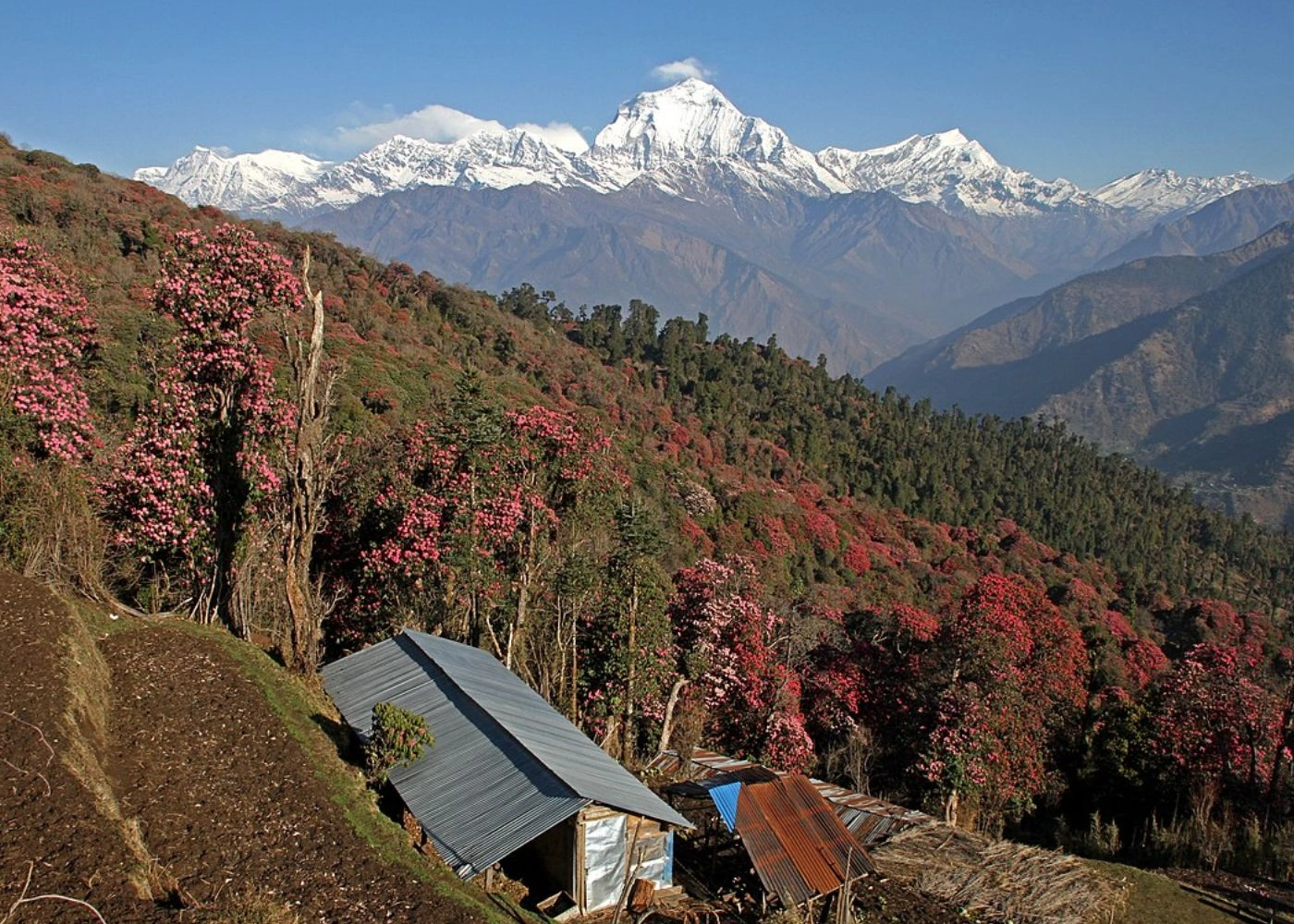
The route descends from Tadapani to Ghandruk (1,940m), Nepal's largest Gurung settlement with 500 households. Village features include the Gurung Museum displaying traditional costumes, agricultural tools, and cultural artifacts. Local homestays provide authentic cultural experiences with traditional dal bhat meals.
Trail sections traverse subtropical forests below 2,000 meters and rhododendron zones between 2,500 and 3,200 meters. Bird species include Himalayan monal, blood pheasant, and kalij pheasant. Mammal sightings occasionally include Himalayan tahr and barking deer.
Difficulty increases moderately through longer daily distances of 15 to 18 kilometers. Stone staircases between Ghandruk and Tadapani demand knee stability on descents. Trekking poles reduce joint stress significantly.
Why it: Famous Poon Hill sunrise, stunning Annapurna and Dhaulagiri views, well-developed trail
Possible drawbacks: Can be crowded during peak seasons
Best season: Spring (rhododendron bloom) and autumn
View itinerary: Ghorepani Poon Hill Trek
Customize this trek: Yes
Mardi Himal Trek: Off-the-Beaten-Path Base Camp (5-7 Days)
Best for: Stunning close-up mountain views and moderate adventure
Difficulty: Moderate
Max altitude: 4,500 m
Starting point: Pokhara
Mardi Himal trek reaches a 4,500-meter base camp with close-range Machhapuchhre and Annapurna views along less-crowded trails. This 5 to 7 day route opened to trekkers in 2012, creating a pristine alternative to popular Annapurna region circuits.
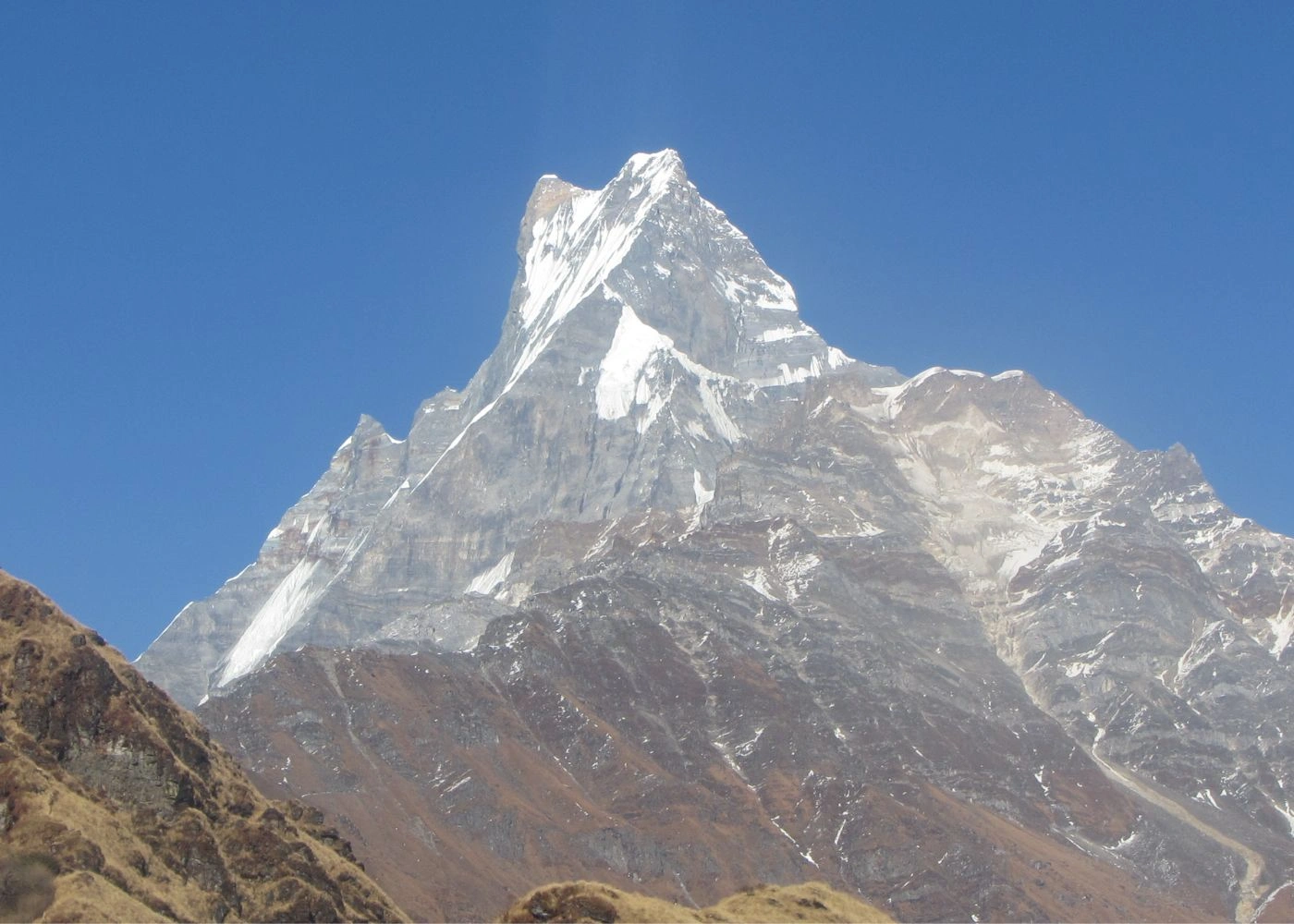
The trail diverges from the Poon Hill route at Forest Camp, ascending through rhododendron and oak forests to High Camp (3,580m). Final push to Mardi Himal Base Camp (4,500m) crosses alpine meadows with 360-degree mountain panoramas. Machhapuchhre's south face dominates the view at 2 kilometers distance.
Lower trail sections offer 70% less foot traffic than Poon Hill. High Camp and Base Camp accommodate 50 to 80 trekkers during peak season compared to 300 to 500 on traditional routes. The reduced crowds create contemplative mountain experiences.
Elevation gain totals 3,500 meteThe rs from the Kande trailhead. Acclimatization requires 2 nights above 3,000 meters before base camp attempt. Altitude headaches affect 20 to 30% of trekkers at High Camp without proper acclimatization.
Tea house development progresses annually with 15 to 20 lodges between Forest Camp and High Camp. Basic facilities include twin rooms, communal dining, and outdoor toilets. Solar charging costs $3 to $5 per device.
Why it: Excellent ridge views, quieter than some popular routes, rewarding in 5–7 days
Possible drawbacks: More physically demanding than Poon Hill
Best season: Spring and autumn
View itinerary: Mardi Himal Trek
Customize this trek: Yes
Langtang Valley Trek: Hidden Gem Near Kathmandu (5-7 Days)
Best for: Culture, mountain valley scenery, and road-access trekking
Difficulty: Moderate
Max altitude: Around 3,870 m in Kyanjin Gompa, higher for side hikes
Starting point: Syabrubesi via Kathmandu
Langtang Valley trek explores a glacial valley 50 kilometers north of Kathmandu, reaching Kyanjin Gompa (3,870m) with Langtang Lirung views. This 5 to 7 day route provides Himalayan immersion without Pokhara travel, saving 16 to 18 hours of transportation.
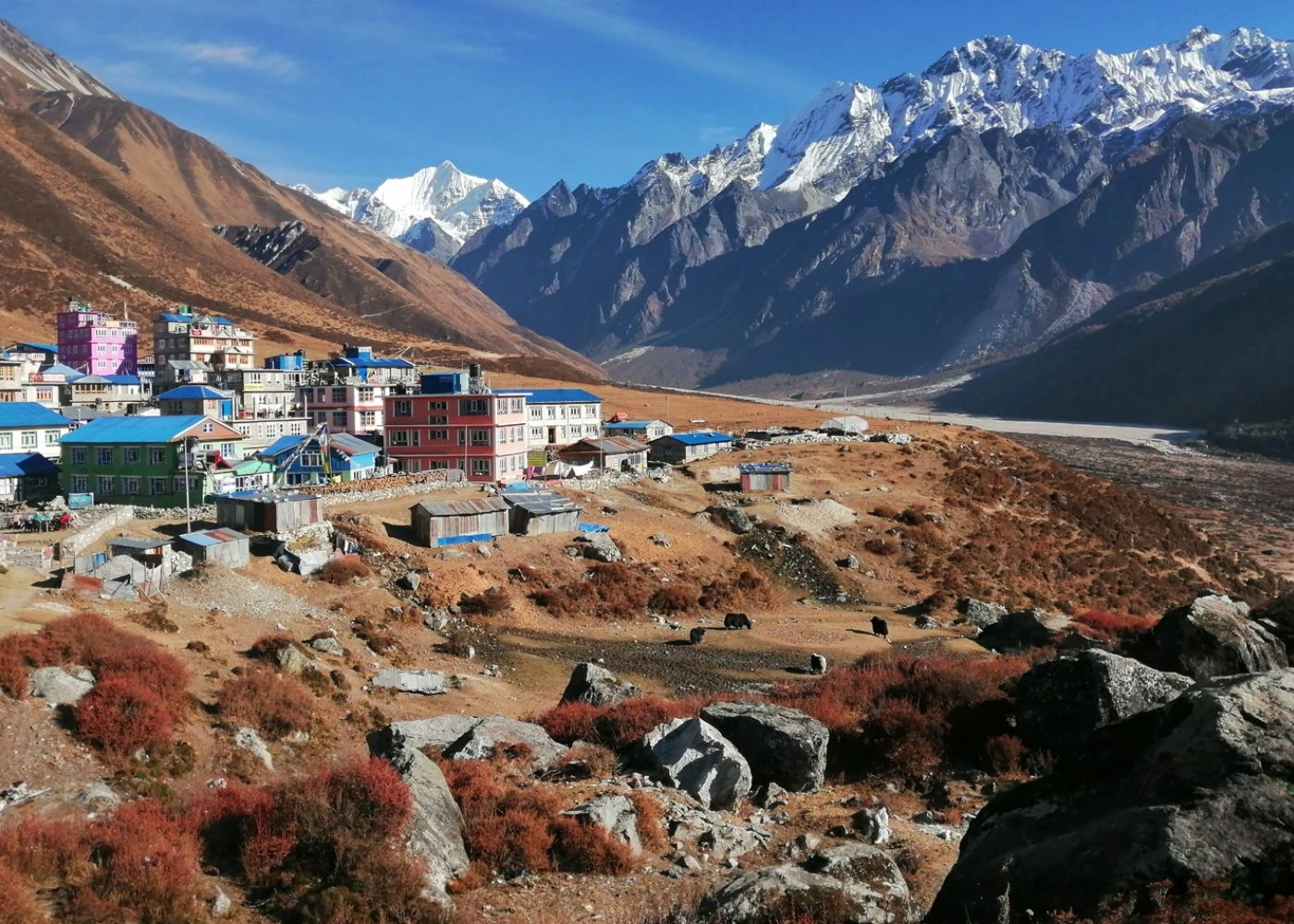
The valley sustained massive earthquake damage in April 2015, with Langtang village buried under an avalanche. Reconstruction created a new settlement 1 kilometre north. Current trail infrastructure matches pre-earthquake standards, with 40 tea houses operating between Lama Hotel and Kyanjin Gompa.
The trail follows the Langtang Khola River through bamboo and rhododendron forests. Prayer wheels, chortens, and mani walls increase in frequency approaching Tibetan Buddhist villages. Kyanjin Gompa monastery welcomes visitors during morning puja ceremonies at 6 AM.
Optional side trips from Kyanjin Gompa include Tserko Ri viewpoint (4,984m) for sunrise panoramas and Langshisha Kharka glacier valley. Tserko Ri ascent adds 1,114 meters of elevation gain over a 6 to 7-hour round trip.
Wildlife includes the Himalayan black bear, red panda (rare sightings), and 250 bird species. Langtang National Park entry fee costs 3,000 Nepali rupees ($23) for foreigners.
Why it: No domestic flight needed, rich Tamang culture, scenic valley trekking
Possible drawbacks: Longer drive from Kathmandu
Best season: Spring and autumn
View itinerary: Langtang Valley Trek
Customize this trek: Yes
Pikey Peak Trek: Sherpa Culture and Everest Views (4-6 Days)
Best for: Everest views, short trek, and authentic Sherpa culture
Difficulty: Moderate
Max altitude: Around 4,065 m at Pikey Peak
Starting point: Dhap or Phaplu via Kathmandu
Pikey Peak trek summits a 4,065-meter viewpoint featuring Everest, Makalu, and Kanchenjunga panoramas while traversing Sherpa villages in Solu region. This 4 to 6 day route offers authentic Sherpa culture without Lukla flight costs or crowds.
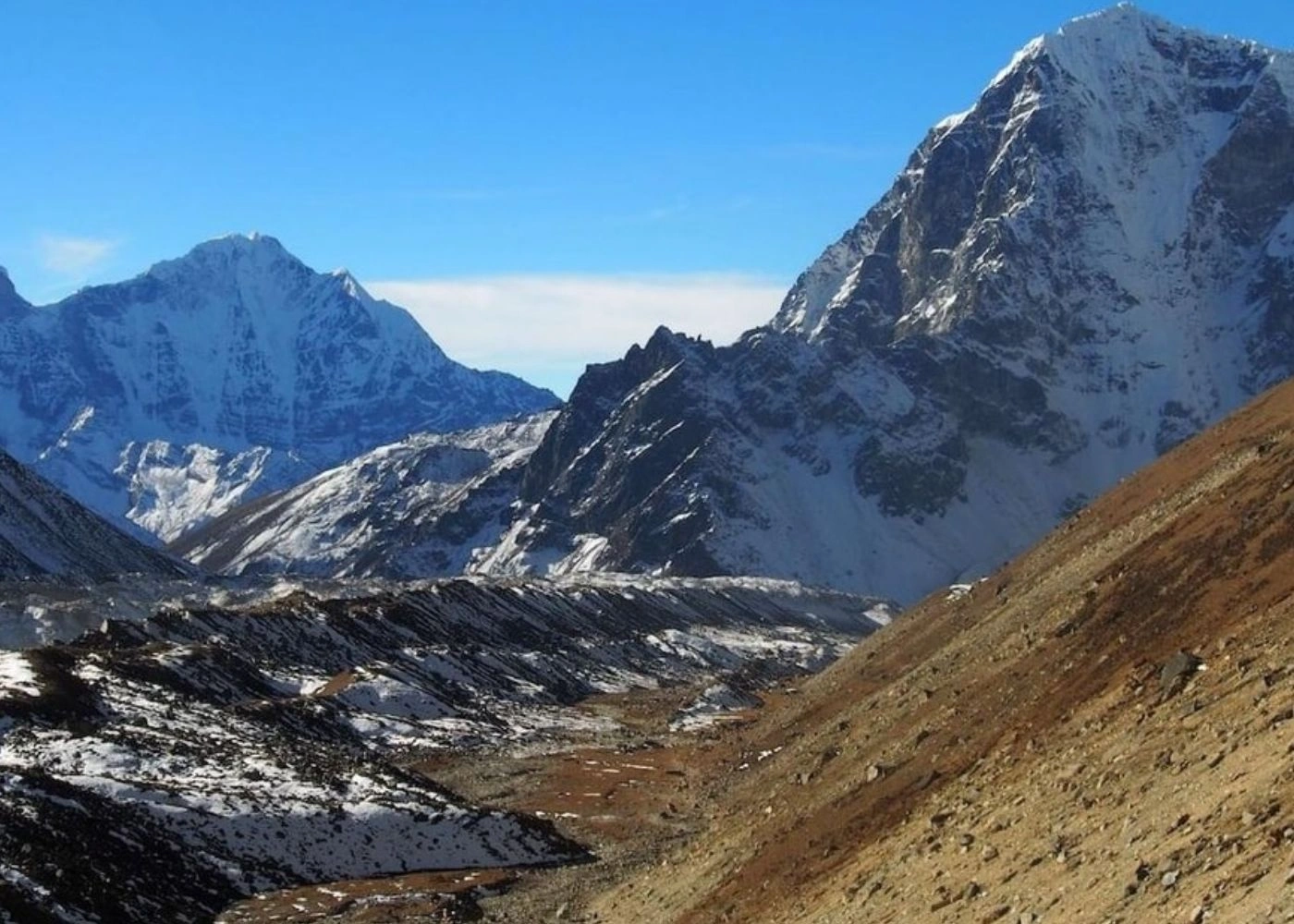
Sir Edmund Hillary identified Pikey Peak as his favorite Everest viewpoint. The summit provides 270-degree Himalayan vista including 8 peaks above 8,000 meters. Clear morning visibility reaches 150 to 200 kilometers, encompassing eastern Nepal and Sikkim ranges.
The trail passes through Junbesi, Thupten Choling Monastery, and Phaplu, traditional Sherpa homeland predating Khumbu settlement. Monastery visits include Thupten Choling with 200 monks and nuns, and Taksindu Monastery featuring ornate wall paintings.
The route begins from Dhap or Salleri, accessible via an 8 to 10 hour drive from Kathmandu. The road access eliminates $380 Lukla flight costs, reducing total trek expenses by 40 to 50%. Daily budgets run $30 to $40 including guide and porter.
Cultural immersion exceeds Everest Base Camp trek through smaller villages and slower pace. Sherpa families operate 60% of tea houses, creating direct cultural exchange. Traditional meals include thukpa, momos, and sherpa stew.
Why it: One of the best viewpoints for Everest sunrise, less crowded, rich Sherpa heritage
Possible drawbacks: Basic teahouse facilities in remote sections
Best season: Spring and autumn
View itinerary: Pikey Peak Trek
Customize this trek: Yes
Helambu Trek: Cultural Circuit Near Kathmandu (3-5 Days)
Best for: Short trek, culture, and easy access from Kathmandu
Difficulty: Easy to Moderate
Max altitude: Around 3,650 m at Tharepati
Starting point: Sundarijal or Melamchi Bazaar from Kathmandu
Helambu trek circles Hyolmo ethnic villages 60 kilometers from Kathmandu, reaching a maximum 3,640 meters at Tharepati Pass. This 3 to 5 day route combines Buddhist gompa visits, apple orchards, and Himalayan views with convenient access from the capital.
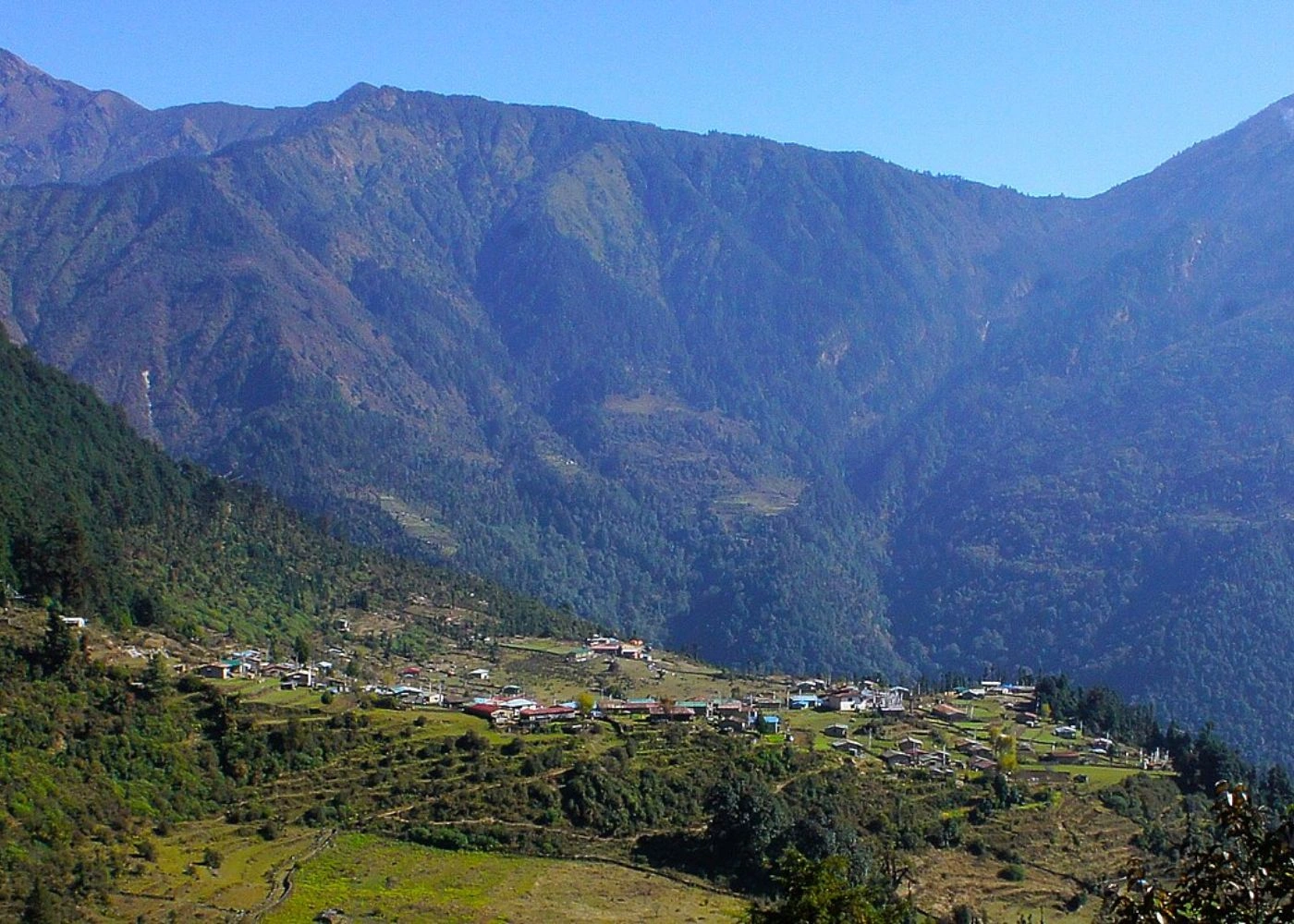
The region showcases Hyolmo culture distinct from Sherpa and Tamang groups. Villages maintain traditional animist practices blended with Tibetan Buddhism. Tarkeghyang monastery hosts annual Lama dancing festivals in May and November.
The trail network offers multiple route variations. The northern circuit via Melamchi Pul Bazaar and Tarkeghyang covers 45 kilometers. Southern approach through Sundarijal and Chisapani adds Shivapuri National Park forests. Both routes intersect at Tharepati Pass.
Elevation profile remains moderate with highest overnight stay at Tarkeghyang (2,740m). Daily ascents range from 500 to 800 meters. The gentle profile suits trekkers testing fitness before longer Himalayan routes.
Apple and cheese production centers around Tarkeghyang and Sermathang villages. Local factories produce yak cheese, apple brandy, and dried fruit. Village shops sell products at 30 to 40% below Kathmandu prices.
Why it: Close to Kathmandu, beautiful forests, Hyolmo culture, less crowded
Possible drawbacks: Limited high mountain views compared to other treks
Best season: Spring and autumn (also possible in winter)
View itinerary: Helambu Trek
Customize this trek: Yes
Khopra Ridge Trek: Community Lodges and Pristine Views (5-6 Days)
Best for: Off-the-beaten-path trekking, community lodges, and Annapurna views
Difficulty: Moderate
Max altitude: Around 3,660 m at Khopra Ridge (higher at Khayer Lake optional hike)
Starting point: Nayapul or Ghandruk via Pokhara
Khopra Ridge trek reaches a 3,640-meter community lodge with Annapurna South and Dhaulagiri close-range views. This 5 to 6 day route follows a community-managed trail system creating sustainable tourism income for local villages.
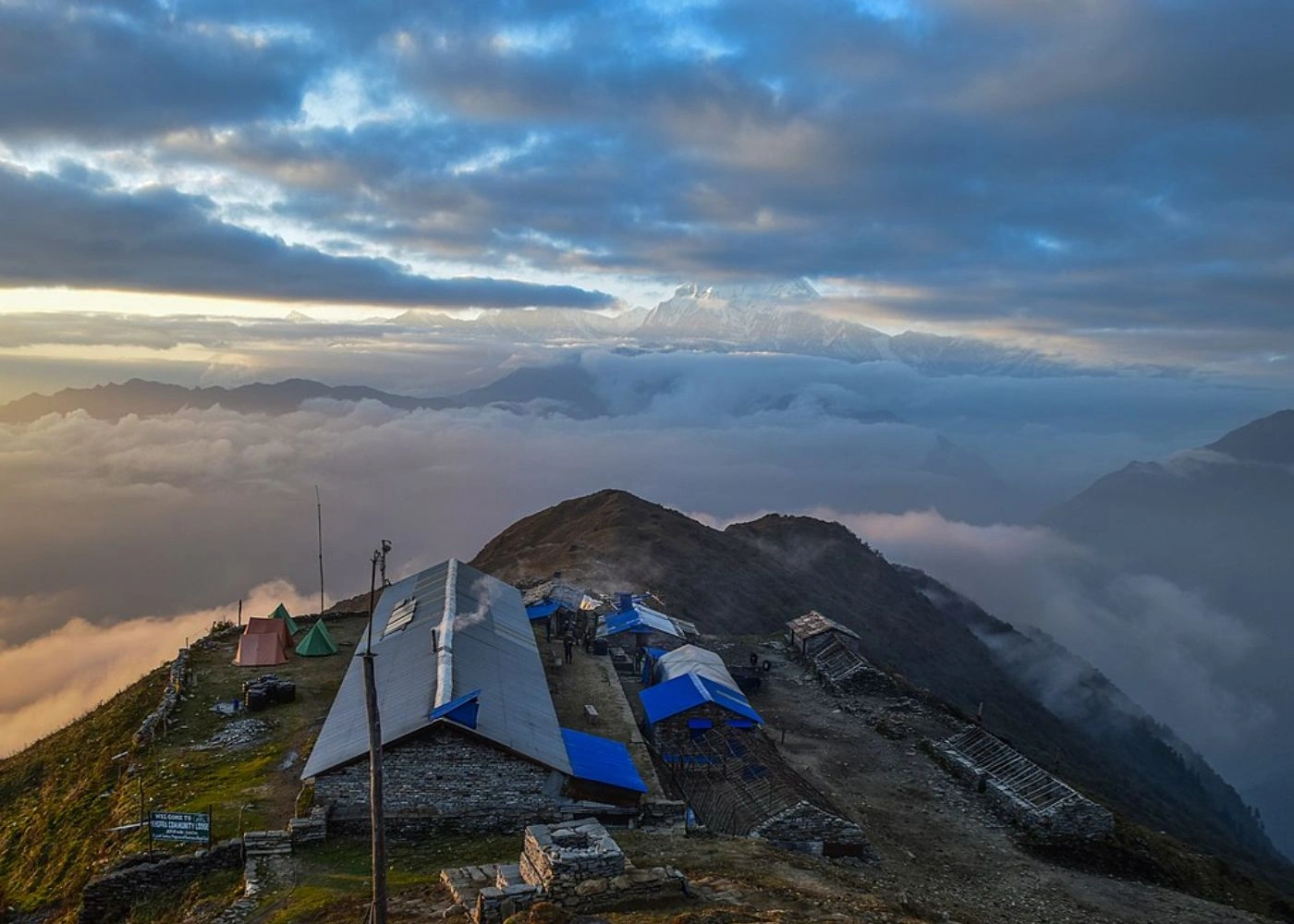
Community lodges operate through a cooperative model with profits distributed among village families. Khopra Danda lodge features solar heating, composting toilets, and rainwater harvesting. The eco-friendly design earned Nepal Tourism Board sustainability awards in 2018 and 2020.
The trail diverges from Ghorepani route at Swanta village, ascending through pristine rhododendron forests. Upper sections cross alpine terrain with minimal human impact. Wildlife sightings include Himalayan monal pheasants and occasional snow leopards in winter months.
Khopra Lake (4,660m) sits 3 to 4 hours from the ridge lodge. The sacred lake holds religious significance for Hindus with the pilgrimage season in August. The trail to the lake crosses steep scree slopes requiring careful footing.
Ridge positioning creates 280-degree mountain panoramas. Annapurna South face appears 8 kilometers distant, revealing ice seracs and climbing routes. Dhaulagiri massif dominates western horizon at 15 kilometers.
Why it: Stunning views of Dhaulagiri and Annapurna, peaceful trails, supports local communities
Possible drawbacks: Limited accommodation choices on higher sections
Best season: Spring and autumn
View itinerary: Khopra Ridge Trek
Customize this trek: Yes
Tamang Heritage Trail: Cultural Trek with Hot Springs (5-7 Days)
Best for: Cultural immersion, Tamang villages, and natural hot springs
Difficulty: Moderate
Max altitude: Around 3,165 m at Nagthali Viewpoint
Starting point: Syabrubesi via Kathmandu
Tamang Heritage Trail explores Tibetan-influenced villages north of Langtang, featuring traditional architecture, hot springs, and close Tibet border proximity. This 5 to 7 day cultural circuit prioritizes ethnic immersion over extreme mountain views.
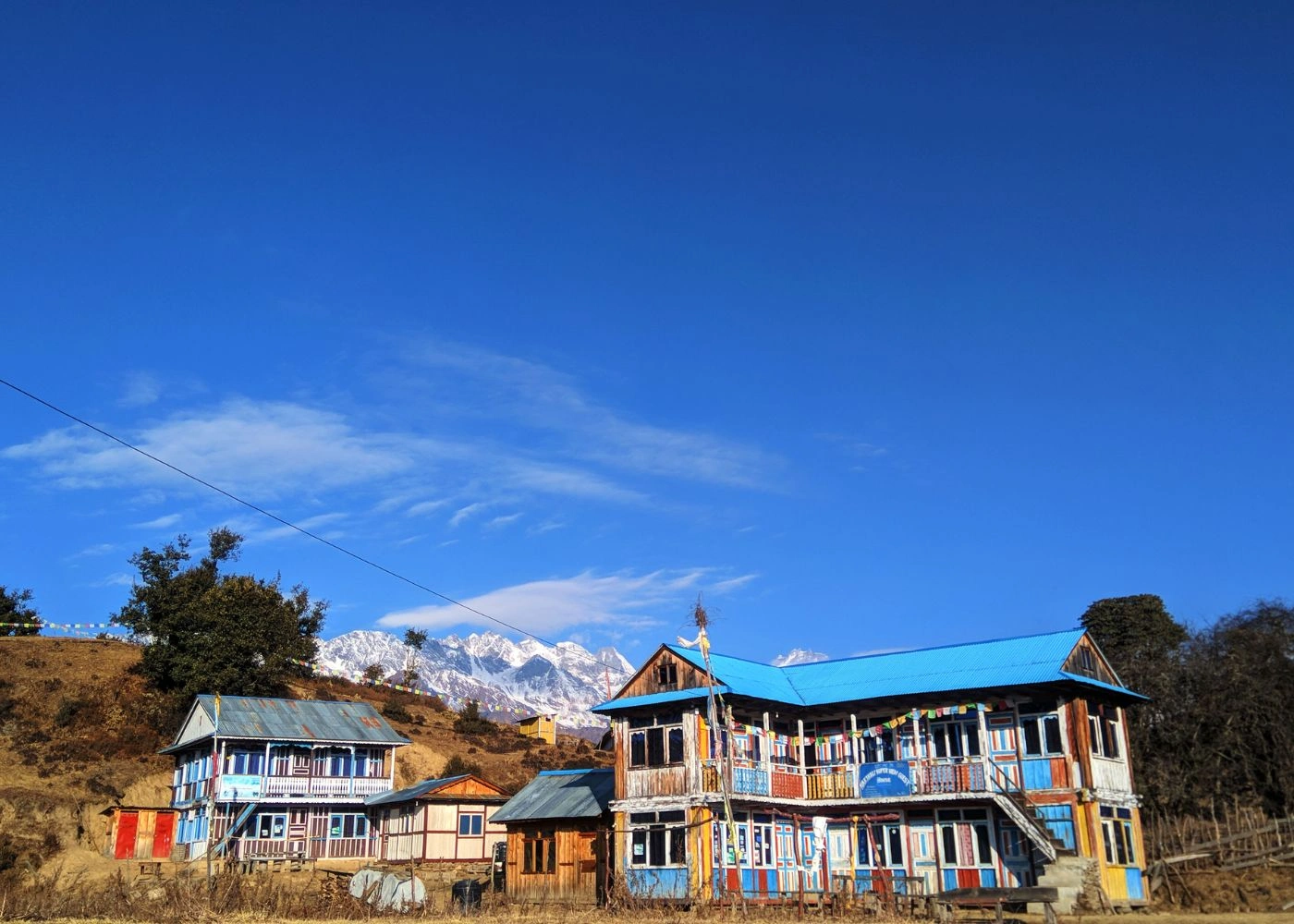
Tamang people migrated from Tibet 300 to 400 years earlier, maintaining distinct language, dress, and customs. Villages feature traditional wooden homes with carved window frames and Buddhist altars. Women wear distinctive silver jewelry and colorful pangden aprons.
The route includes Tatopani hot springs with natural pools at 2,607 meters. The sulfuric water reaches 40 to 45 degrees Celsius. Local belief attributes healing properties for joint pain and skin conditions. Bathing facilities include 3 pools segregated by gender and temperature preference.
Briddim village operates a community homestay program with 25 participating families. Guests sleep on traditional wooden platforms with yak wool blankets. Meals include traditional churpe (dried cheese), gundruk soup, and tsampa porridge.
The trail crosses Nagthali viewpoint (3,165m) with Langtang Lirung, Ganesh Himal, and Sanjen Himal panoramas. The moderate elevation allows full-day exploration without altitude concerns.
Why it: Rich Tamang culture, homestay experience, scenic hills and mountains
Possible drawbacks: Fewer dramatic high-altitude views than classic treks
Best season: Spring and autumn
View itinerary: Tamang Heritage Trail
Customize this trek: Yes
Mohare Danda Trek: Eco-Friendly Community Route (3-4 Days)
Best for: Eco-trekking, community lodges, and quiet nature trails
Difficulty: Easy to Moderate
Max altitude: Around 3,300 m at Mohare Danda
Starting point: Galeshwor via Pokhara
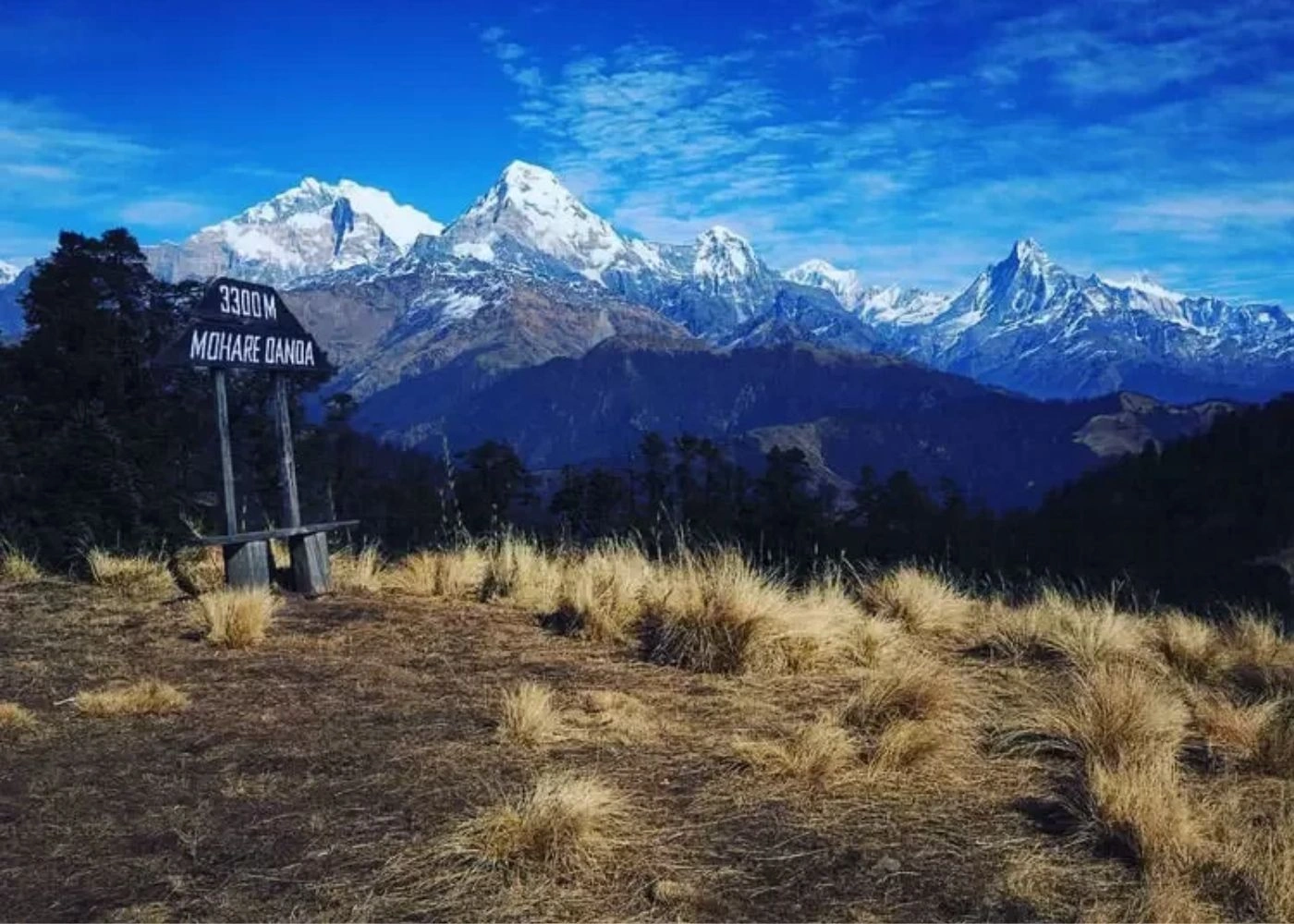
Mohare Danda trek summits a 3,300-meter community lodge with Annapurna and Dhaulagiri views along an environmentally sustainable trail. This 3 to 4 day route represents Nepal's first carbon-neutral trek through renewable energy and waste management systems.
Community Forest User Groups manage the trail and lodge network. All lodges operate with solar panels, biogas cooking, and strict waste segregation. Plastic bottles face bans throughout the route, encouraging filtered water purchases.
The trail begins at Galeshwor or Banskharka, 2 to 3 hours drive from Pokhara. Low tourist traffic creates quiet trekking with 20 to 40 daily visitors during peak season. The solitude contrasts sharply with Poon Hill's 400 to 600 daily trekkers.
The route passes through traditional Magar villages including Nangi with innovative rural development projects. Nangi School features wireless internet funded by Mahabir Pun, recipient of Ramon Magsaysay Award. The village demonstrates successful mountain community modernization.
Mohare Danda ridge offers sunrise views across both Annapurna and Dhaulagiri ranges. The dual exposure eliminates the need to between view destinations. Morning visibility extends 80 to 120 kilometers on clear days.
Why it: Sustainable trekking route, peaceful environment, panoramic Annapurna views
Possible drawbacks: Simpler facilities compared to popular routes
Best season: Spring and autumn
View itinerary: Mohare Danda Trek
Customize this trek: Yes
Royal Trek: Easiest Himalayan Route with Big Views (3-4 Days)
Best for: Beginners, short treks, and easy Himalayan experience
Difficulty: Easy
Max altitude: Around 1,730 m at Syaklung
Starting point: Bijayapur (near Pokhara)
Royal Trek follows a low-elevation route between 1,400 and 2,500 meters through farming villages with Annapurna panoramas. This 3 to 4 day trek earned its name from Prince Charles' 1981 journey, creating Nepal's most accessible Himalayan walking route.
Maximum elevation of 2,500 meters at Syaklung eliminates altitude concerns completely. The low profile suits travelers with respiratory conditions, older adults, or families with young children. Daily walking times range from 3 to 5 hours with minimal elevation gain.
The trail traverses terraced farmland growing rice, millet, and mustard. Spring months showcase bright yellow mustard flowers against green rice paddies. Local farmers work fields using traditional methods with water buffalo plowing.
Tea house infrastructure remains basic with 5 to 8 lodges per village. Rooms feature simple beds without heating. The basic facilities reflect limited tourist traffic but create authentic rural Nepal experiences.
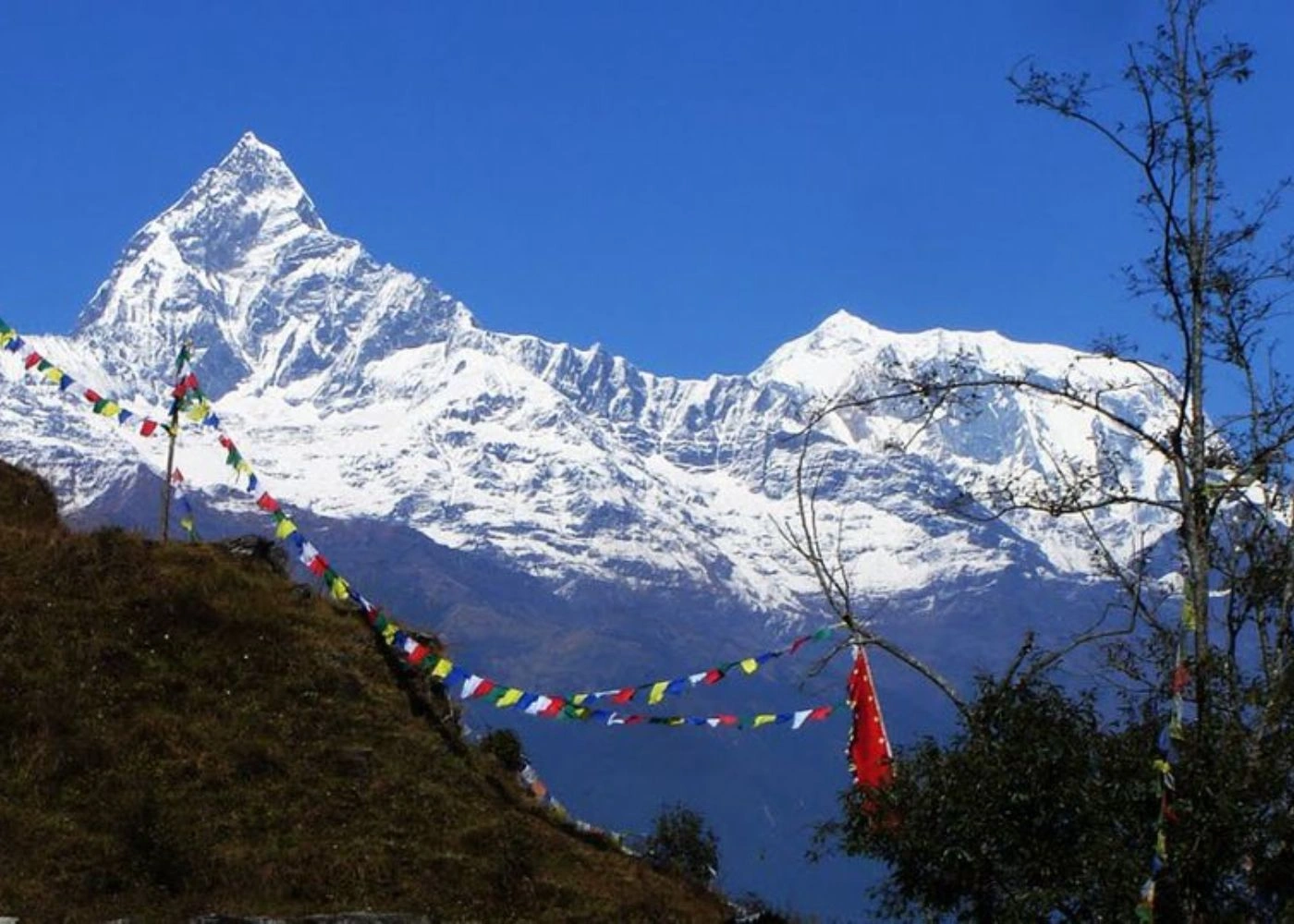
Views include Annapurna II (7,937m), Lamjung Himal (6,983m), and Machhapuchhre from multiple ridge viewpoints. The perspective differs from higher treks, emphasizing valley depth and agricultural landscapes against mountain backdrops.
Why it: Easy and short, suitable for all ages, great views without high altitude
Possible drawbacks: Limited wilderness feel and lower altitude experience
Best season: Year-round (best in spring and autumn)
View itinerary: Royal Trek
Customize this trek: Yes
Best Short Treks in Nepal for Beginners
If you are trekking in Nepal for the first time, choosing the right route is essential for a safe, enjoyable, and memorable experience. Beginner-friendly treks in Nepal are typically characterized by moderate altitude (below 4,000 m), shorter daily walking hours (4–6 hours), well-marked trails, and easy access from Kathmandu or Pokhara.
These treks allow you to experience the beauty of the Himalayas without the physical strain of longer, high-altitude expeditions.
Top Beginner-Friendly Short Treks in Nepal
Ghorepani Poon Hill Trek – A classic short trek with breathtaking sunrise views over Annapurna and Dhaulagiri ranges.
Dhampus Sarangkot Trek – Ideal for a relaxed cultural hike with panoramic Himalayan views near Pokhara.
Royal Trek – One of the easiest routes, perfect for beginners and families.
Australian Camp Trek – A short and scenic trek with stunning close-up mountain views.
Nagarkot Chisapani Trek – Best for those with limited time near Kathmandu, combining nature and village life.
These routes offer a balanced experience of mountain scenery, local culture, and comfortable trekking conditions, making them perfect for first-time visitors to Nepal.
Best Short Treks Near Kathmandu
For travelers based in Kathmandu who want to avoid long travel distances, several excellent trekking options are easily accessible by road. These treks are ideal for short stays or as an introduction to trekking in Nepal.
Recommended Treks Near Kathmandu
Nagarkot Chisapani Trek – A short ridge walk with Himalayan views and easy access.
Helambu Trek – A culturally rich trek through Hyolmo villages, forests, and terraced farmlands.
Langtang Valley Trek – A slightly longer but highly rewarding trek with glacier views and traditional Tamang culture.
These treks are especially suitable for travelers who prefer road-access routes and want to avoid domestic flights, making logistics simpler and more reliable.
Best Short Treks Near Pokhara
Pokhara is the main gateway to the Annapurna region and offers some of the most scenic and diverse short trekking routes in Nepal. With easy transportation, comfortable accommodations, and stunning mountain views, it is the perfect base for short treks.
Top Short Treks from Pokhara
Ghorepani Poon Hill Trek
Mardi Himal Trek – Offers close-up views of Machhapuchhre (Fishtail Mountain).
Royal Trek
Australian Camp Trek
Dhampus Sarangkot Trek
Panchase Trek – A peaceful alternative with lake and mountain views.
Mohare Danda Trek – A community-based eco-trek with fewer crowds.
These treks are ideal for travelers seeking flexible itineraries, moderate difficulty, and spectacular Himalayan panoramas without long commitments.
Best Short Treks in Nepal Without Flights
Many trekkers prefer to avoid domestic flights due to weather delays, cost, or personal preference. Fortunately, Nepal offers several incredible trekking routes that are fully accessible by road.
Top No-Flight Short Treks
Langtang Valley Trek
Helambu Trek
Ghorepani Poon Hill Trek
Mohare Danda Trek
Panchase Trek
Nagarkot Chisapani Trek
Royal Trek
These treks are practical, cost-effective, and reliable, making them a great choice for travelers who want a smooth and hassle-free trekking experience.
Which Short Trek in Nepal Is Best for You?
Choosing the right trek depends on your time, fitness level, interests, and travel style. Here is a quick guide to help you decide:
Choose Ghorepani Poon Hill Trek if you want a classic Himalayan experience with iconic sunrise views.
Choose Mardi Himal Trek for closer mountain views and a slightly more adventurous route.
Choose Langtang Valley Trek for a deeper mountain valley experience without flights.
Choose Nagarkot Chisapani Trek if you have limited time near Kathmandu.
Choose Royal Trek or Australian Camp Trek for an easy and relaxed hike near Pokhara.
Choose Mohare Danda Trek if you prefer quieter, less crowded trails.
If you are unsure, our team can recommend the best option based on your schedule, experience, and preferences.
Short Trek Permits in Nepal
Permit requirements vary depending on the trekking region. Most short treks require one or more of the following:
National Park Entry Permit
Conservation Area Permit (ACAP, MCAP, etc.)
TIMS Card (Trekkers’ Information Management System)
Restricted Area Permits (for specific regions like Manaslu)
Since regulations can change, it is important to verify the latest requirements before your trip.
At Nepal Intrepid Treks, we provide up-to-date permit information and handle all necessary arrangements, ensuring a smooth and hassle-free experience.
Why Choose Nepal Intrepid Treks for Short Treks in Nepal
At Nepal Intrepid Treks, we specialize in organizing personalized short trekking holidays tailored to your time, fitness level, and travel goals.
Whether you are looking for a beginner-friendly trek, a cultural experience, or a scenic Himalayan adventure, we help you choose the right route and customize every detail.
Our Short Trek Services Include:
Private or group departures
Experienced, licensed local guides
Full permit support
Transportation arrangements
Customized itinerary planning
Flexible hotel and trekking package options
Which Short Trek Matches Your Preferences?
Trek selection depends on physical fitness, available time, altitude tolerance, and interest balance between mountains versus culture. Matching personal capabilities and goals with trek characteristics ensures satisfying experiences and appropriate challenge levels.
Trek Difficulty Levels Compared
Difficulty assessment incorporates 4 primary factors. Daily walking duration ranges from 3 hours (Royal Trek) to 7 hours (Mardi Himal). Elevation gain per day spans 200 meters (Royal Trek) to 1,000 meters (Mardi Himal Base Camp ascent). Maximum altitude varies from 2,500 meters (Royal Trek) to 4,500 meters (Mardi Himal). Trail conditions include paved sections (Royal Trek) to rocky alpine paths (Khopra Lake).
Easy routes (Royal Trek, Mohare Danda) suit beginners with basic fitness. Daily distances cover 8 to 12 kilometers with 300 to 500 meter elevation gains. Maximum altitude stays below 3,300 meters. Stone staircases appear occasionally but trails remain well-maintained.
Moderate treks (Poon Hill, Ghorepani, Helambu, Tamang Heritage) require regular exercise habits. Daily distances reach 12 to 15 kilometers with 600 to 800 meter climbs. Altitude reaches 3,600 to 3,900 meters. Stone staircases increase in frequency and length.
Challenging routes (Mardi Himal, Langtang Valley, Pikey Peak, Khopra Ridge) demand good cardiovascular fitness. Daily distances extend 15 to 18 kilometers with 800 to 1,000 meter ascents. Maximum altitude hits 4,000 to 4,500 meters. Trails include rocky sections, steep grades, and loose scree.
Altitude Considerations and Acclimatization
Altitude sickness risk increases above 3,000 meters regardless of fitness level. Short treks reaching 4,000 to 4,500 meters require acclimatization awareness despite brief duration.
Mardi Himal Base Camp (4,500m) presents the highest elevation among short treks. Rapid ascent from Pokhara (820m) to High Camp (3,580m) in 3 days creates altitude stress. Symptoms include headache, nausea, and disturbed sleep affecting 30 to 40% of trekkers. Prevention involves drinking 3 to 4 liters of water daily, avoiding alcohol, and ascending slowly.
Langtang Valley reaches 3,870 meters at Kyanjin Gompa. The gradual elevation profile with overnight stays at Lama Hotel (2,380m) and Langtang village (3,430m) allows natural acclimatization. Altitude issues affect 15 to 20% of trekkers, primarily those ascending from Syabrubesi (1,460m) to Kyanjin in 2 days.
Pikey Peak (4,065m) involves a sudden altitude jump from Junbesi (2,680m) to the summit. Pre-dawn summit attempts start at 3 AM, climbing 1,385 meters in darkness. Acclimatization at Junbesi for 2 nights reduces risk significantly.
Routes below 3,500 meters (Poon Hill, Ghorepani, Helambu, Mohare Danda) present minimal altitude concerns. Headaches affect 5 to 10% of trekkers, typically resolving without descent.
Best Treks for Mountain Views
Mountain view quality depends on peak proximity, viewing angle, and panorama breadth. Treks position viewers at different distances and perspectives from major summits.
Mardi Himal Base Camp provides the closest approach to Annapurna and Machhapuchhre. Machhapuchhre's south face appears 2 to 3 kilometers distant, revealing route details and ice formations. Annapurna South face sits 8 kilometers away. The proximity creates an overwhelming scale impossible from distant viewpoints.
Pikey Peak offers the widest panorama with 8 peaks above 8,000 meters visible. Eastern views include Everest (8,849m), Lhotse (8,516m), and Makalu (8,463m) at 60 to 80 kilometers distance. Western perspective encompasses Dhaulagiri and Annapurna masses. The northern horizon features Tibet plateau and Shishapangma.
Poon Hill delivers balanced Annapurna and Dhaulagiri views. Annapurna I sits 35 kilometers north with Annapurna South, Hiunchuli, and Gangapurna creating a semicircular amphitheater. Dhaulagiri appears 25 kilometers northwest. Sunrise illuminates peaks in sequence, creating a 20-minute color transition from gold to white.
Khopra Ridge positions viewers between Annapurna and Dhaulagiri ranges. The central location allows comparison of both masses simultaneously. Annapurna South's ice wall dominates the northern horizon while Dhaulagiri's pyramid shape anchors western view.
Cultural Immersion Opportunities
Cultural depth varies from brief village encounters to extended homestay immersion. Trek selection determines interaction quality and authenticity.
Tamang Heritage Trail maximizes cultural engagement through 5 to 7 days in Tibetan-influenced villages. The Homestay program in Briddim creates direct family interaction. Participation in daily activities includes yak herding, cheese making, and monastery rituals. Language learning opportunities arise naturally through extended village time.
The Helambu circuit explores Hyolmo ethnic traditions distinct from mainstream Sherpa culture. Village festivals occur monthly with lama dances and mask ceremonies. Traditional animist practices coexist with Buddhism, creating a unique religious blend. Apple harvesting season (September-October) allows participation in agricultural activities.
Pikey Peak traverses authentic Sherpa homeland in Solu region. Villages maintain traditional lifestyles without Everest region commercialization. Monastery visits include active religious communities rather than tourist attractions. Local families share meals without language barriers through warmth and hospitality.
Ghorepani and Poon Hill offer surface-level cultural exposure. Tea house interactions remain transactional with limited depth. Village time consists primarily of overnight stops. However, Ghandruk museum and cultural performances provide curated cultural education.
When Is the Best Time for Nepal Short Treks?
Optimal trekking seasons occur during spring (March-May) and autumn (September-November) with clear skies, moderate temperatures, and minimal precipitation. Seasonal timing affects trail conditions, mountain visibility, temperature ranges, and crowd levels across all routes.
Spring Season: Rhododendron Blooms and Warming Temperatures
Spring brings blooming rhododendrons, warming temperatures, and excellent visibility during March, April, and May. This season ranks second in popularity after autumn with 30 to 35% of annual trekkers.
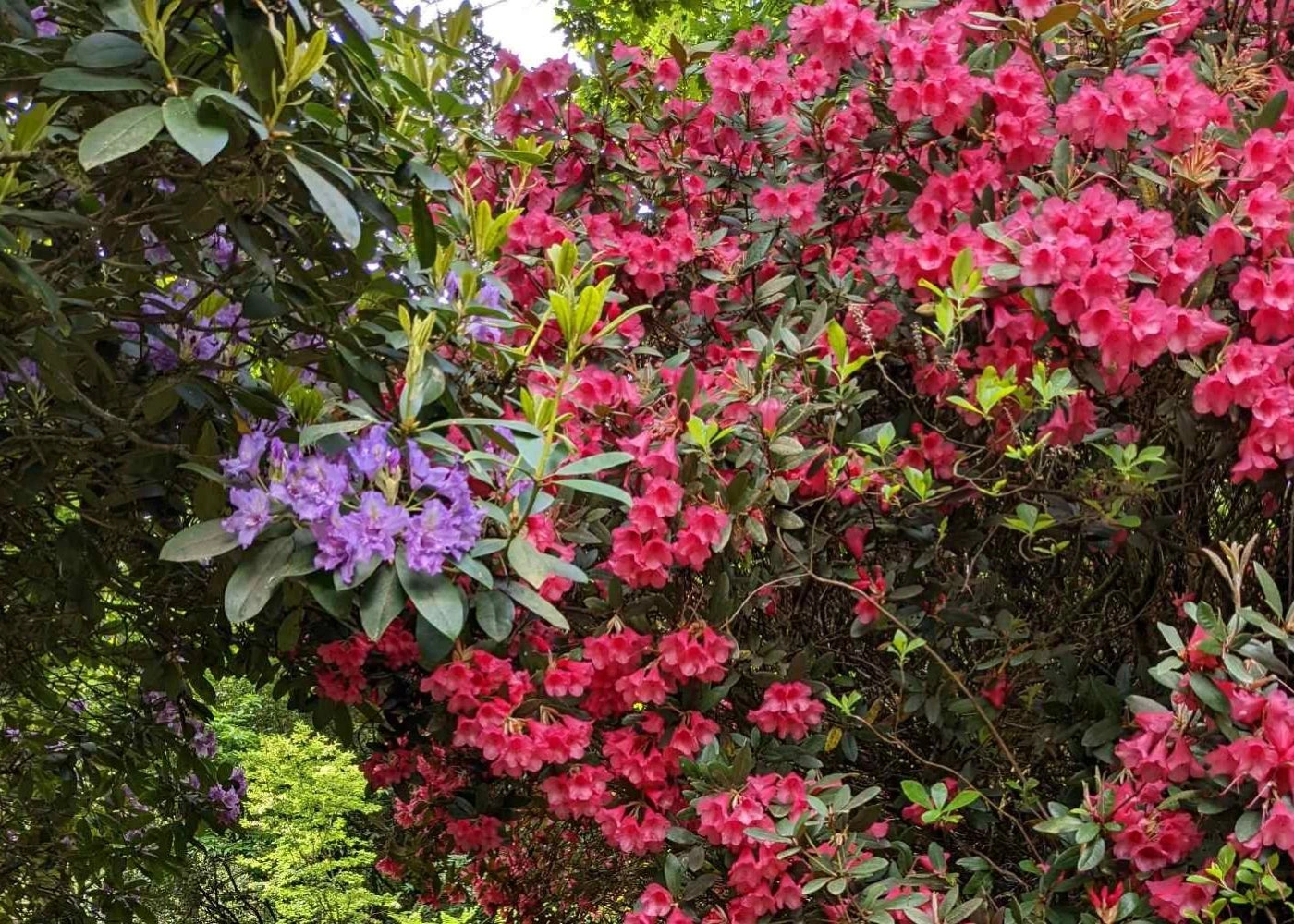
March marks transition from winter with cold mornings (0 to 5°C) and pleasant afternoons (15 to 20°C). Snow persists above 3,500 meters on north-facing slopes. Rhododendrons begin blooming at lower elevations below 2,500 meters. Crowd levels remain moderate with 40 to 50% of autumn numbers.
April delivers peak rhododendron displays between 2,500 and 3,500 meters. Forests explode in red, pink, and white blooms creating vibrant backdrops. Temperatures warm significantly with afternoons reaching 20 to 25°C. Occasional afternoon cloud buildup reduces mountain visibility to 70 to 80% probability. Tourist numbers increase approaching May holiday periods.
May brings warmest temperatures with afternoons hitting 25 to 30°C below 2,500 meters. High altitude routes remain comfortable with daytime highs of 15 to 20°C. Pre-monsoon cloud buildup increases, reducing clear morning probability to 60 to 70%. This creates variable visibility conditions. Spring flowers peak at highest elevations above 3,500 meters.
Autumn Season: Peak Conditions and Maximum Crowds
Autumn provides the year's best conditions with clear skies, stable weather, and comfortable temperatures from September through November. This peak season attracts 55 to 60% of annual trekkers, creating crowded trails and fully booked tea houses.
September marks monsoon transition with lingering afternoon clouds and occasional rain. Early month experiences 20 to 30% rain probability while late September drops to 5 to 10%. Temperatures remain warm with afternoons of 20 to 25°C. Mountain visibility improves daily as monsoon moisture clears. Autumn crowds build gradually through the month.
October delivers premium conditions with 90 to 95% clear sky probability. Morning visibility extends 150 to 200 kilometers allowing distant peak identification. Daytime temperatures range from 15 to 20°C with nights cooling to 5 to 10°C at mid-elevations. Dashain and Tihar festivals (October-November) create 10 to 14 day periods when Nepali families trek, increasing domestic tourist numbers. Tea house bookings require 2 to 3 days advance on popular routes.
November continues excellent weather with slightly cooler temperatures. Mornings bring frost above 3,500 meters with daytime highs of 10 to 15°C. Snow begins accumulating above 4,500 meters by month end. Crowd levels decrease after mid-month as the international tourist season winds down. Tea house availability improves significantly.
Monsoon Trekking: Rain Shadow Routes
Monsoon season (June-August) brings heavy rainfall to most Nepal trekking regions. However, rain shadow areas receive 60 to 70% less precipitation, creating viable summer trekking windows.
Langtang Valley benefits from partial rain shadow protection. Daily rainfall totals 40 to 60mm compared to 80 to 100mm in Annapurna region. Mornings typically stay clear until 11 AM with afternoon clouds and rain from 2 to 6 PM. Leeches appear on lower trails below 2,500 meters, requiring protective measures.
Helambu trek experiences moderate monsoon impact with afternoon thunderstorms. Morning starts allow 4 to 6 hours of trekking before rain begins. Trails become muddy and slippery, increasing fall risks. Views remain limited with 30 to 40% clear sky probability.
Mustang and Upper Dolpo regions lie in full rain shadow but require 10 to 14 day minimum durations, exceeding short trek definition. These high-altitude deserts receive less than 200mm annual rainfall.
Winter Trekking: Cold But Clear
Winter (December-February) offers clear skies and solitude with cold temperatures and snow at high elevations. Low-altitude treks remain viable while routes above 3,500 meters face harsh conditions.
December provides excellent visibility with 85 to 90% clear sky probability. Daytime temperatures range from 10 to 15°C at lower elevations with nights dropping to -5 to 0°C above 3,000 meters. Snowfall begins affecting passes above 4,000 meters. Tourist numbers decrease by 60 to 70% compared to autumn.
January brings the year's coldest temperatures with mornings at -10 to -5°C above 3,500 meters. Lower trails maintain comfortable 8 to 12°C daytime temperatures. Snow accumulation closes high routes like Mardi Himal Base Camp and Khopra Lake. Tea houses above 3,500 meters often close for winter.
February marks gradual warming with increasing daylight hours. Temperatures rose 2 to 3°C compared to January. Snow begins melting on south-facing slopes. This creates an optimal winter trekking window before spring crowds arrive.
How to Plan Your Nepal Short Trek
Successful trek planning involves permit acquisition, guide decisions, fitness preparation, gear selection, and budget allocation spread across 8 to 12 weeks. Systematic preparation ensures legal compliance, physical readiness, and appropriate equipment without overspending.
Guide and Porter Decisions
Independent versus guided trekking presents a tradeoff between cost, safety, cultural insight, and logistical convenience. Short treks on established routes allow independent navigation while remote areas benefit from local expertise.
Independent trekking reduces costs by $25 to $35 daily. Well-marked trails like Poon Hill, Ghorepani, and Mardi Himal feature clear paths with frequent signage. Tea houses provide route information and recommendations. Offline maps applications (Maps.me, Gaia GPS) ensure navigation capability without cellular coverage. Solo trekkers connect easily with other independent hikers for companionship.
Hiring guides adds cultural interpretation and local knowledge. Experienced guides identify birds, plants, and cultural landmarks. They negotiate tea house prices, particularly during peak season when "no vacancy" claims sometimes mask rate negotiation opportunities. Cost ranges from $25 to $35 daily including meals and accommodation.
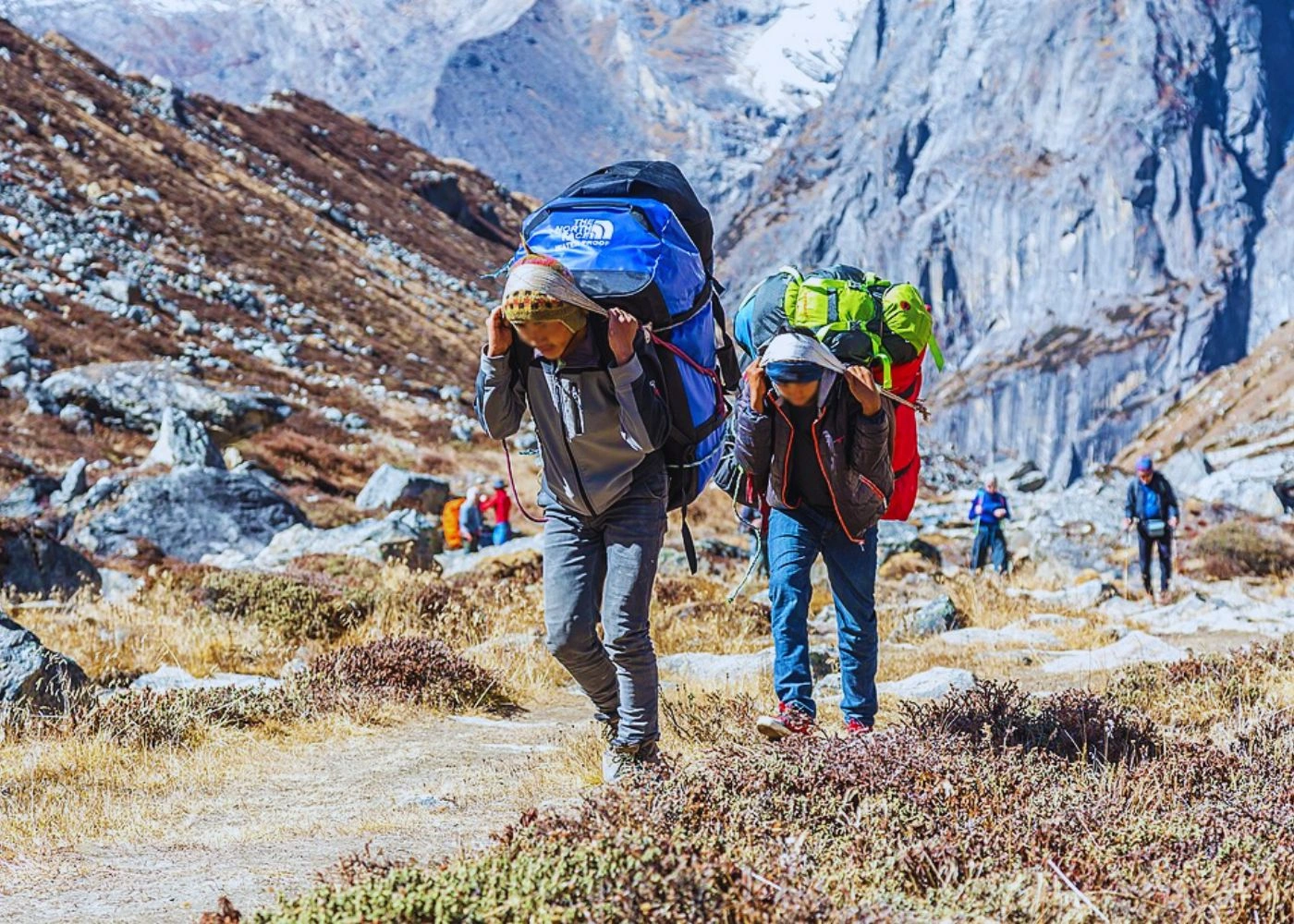
Porter services transport 15 to 20 kilograms per person at $20 to $25 daily. This reduces pack weight to 5 to 8 kilograms containing water, snacks, and camera. Porters benefit rural economies directly, with income supporting families in remote villages. Ethical porter treatment includes adequate clothing, insurance coverage, and reasonable load limits.
Combination of guide plus porter costs $45 to $60 daily total. This model suits trekkers valuing cultural education without carrying heavy packs. The guide provides interpretation while the porter handles logistics.
Required Permits and Documentation
Trekking permits ensure environmental conservation funding and visitor tracking for safety. Short treks require 1 to 3 permit types depending on route location and protection status.
Annapurna Conservation Area Permit (ACAP) covers Poon Hill, Ghorepani, Mardi Himal, Mohare Danda, and Khopra Ridge. Cost reaches 3,000 Nepali rupees ($23) for foreigners with SAARC nationals paying 1,000 rupees ($8). Purchase locations include Nepal Tourism Board office in Kathmandu or Pokhara, and entrance checkpoints at Birethanti and Besisahar. Processing requires passport photos and copies.

Langtang National Park Permit costs 3,000 rupees ($23) for Langtang Valley and Helambu treks. Purchase occurs at Nepal Tourism Board offices or Dhunche checkpoint. Revenue funds wildlife protection, trail maintenance, and local development projects.
Gaurishankar Conservation Area Permit applies to Pikey Peak trek at 3,000 rupees ($23). Limited purchase locations exist compared to Annapurna and Langtang areas. Advance purchase in Kathmandu proves more reliable than finding offices en route.
TIMS Card (Trekkers' Information Management System) costs 2,000 rupees ($15) for individual trekkers or 1,000 rupees ($8) when organized through trekking agencies. The card tracks trekker locations for rescue coordination. Debate continues regarding TIMS necessity on major routes, with some checkpoints not checking cards.
Total permit costs range from 3,000 rupees ($23) for single permit routes to 5,000 rupees ($38) requiring multiple permits. Processing takes 15 to 30 minutes per office with same-day issuance.
Physical Preparation and Training
Short trek physical demands require cardiovascular endurance, leg strength, and core stability. Training programs spanning 8 to 12 weeks prepare bodies for consecutive days of mountain walking.
Cardiovascular base building forms a foundation. Running, cycling, or swimming 3 to 4 times weekly for 45 to 60 minutes develops aerobic capacity. Heart rate targets sit at 60 to 70% maximum during base phase, increasing to 70 to 80% in peak training weeks.

Hiking with elevation gain replicates trek conditions. Weekly hikes of 10 to 15 kilometers with 500 to 800 meter elevation gain condition legs and lungs. Pack weight starts at 5 kilograms, increasing to 10 kilograms matching the trek day pack. Downhill practice prevents knee injuries through strength building and technique development.
Leg strengthening focuses on squats, lunges, and step-ups. Three sets of 15 to 20 repetitions build muscular endurance. Single-leg exercises improve balance on uneven terrain. Calf raises prepare for sustained uphill walking.
Core stability supports pack weight and prevents back pain. Planks, side planks, and mountain climbers strengthen abdominal and lower back muscles. Three sets of 45 to 60 seconds improves stability significantly.
Back-to-back training days simulate consecutive trek days. Weekend pairs of 12 to 15 kilometer hikes condition bodies for recovery while tired. This reveals equipment problems and physical limitations before departure.
Essential Gear and Packing List
Gear selection balances weight, function, and versatility. Short treks allow lighter packing than extended expeditions through regular tea house accommodation and lower altitude maximums.
Footwear includes broken-in hiking boots with ankle support and waterproof membranes. Trail runners work for fit individuals on dry season treks below 3,500 meters. Boots require a 50 to 80 kilometer break-in period preventing blisters. Trekking poles reduce knee stress by 25 to 30% on descents while improving uphill efficiency.
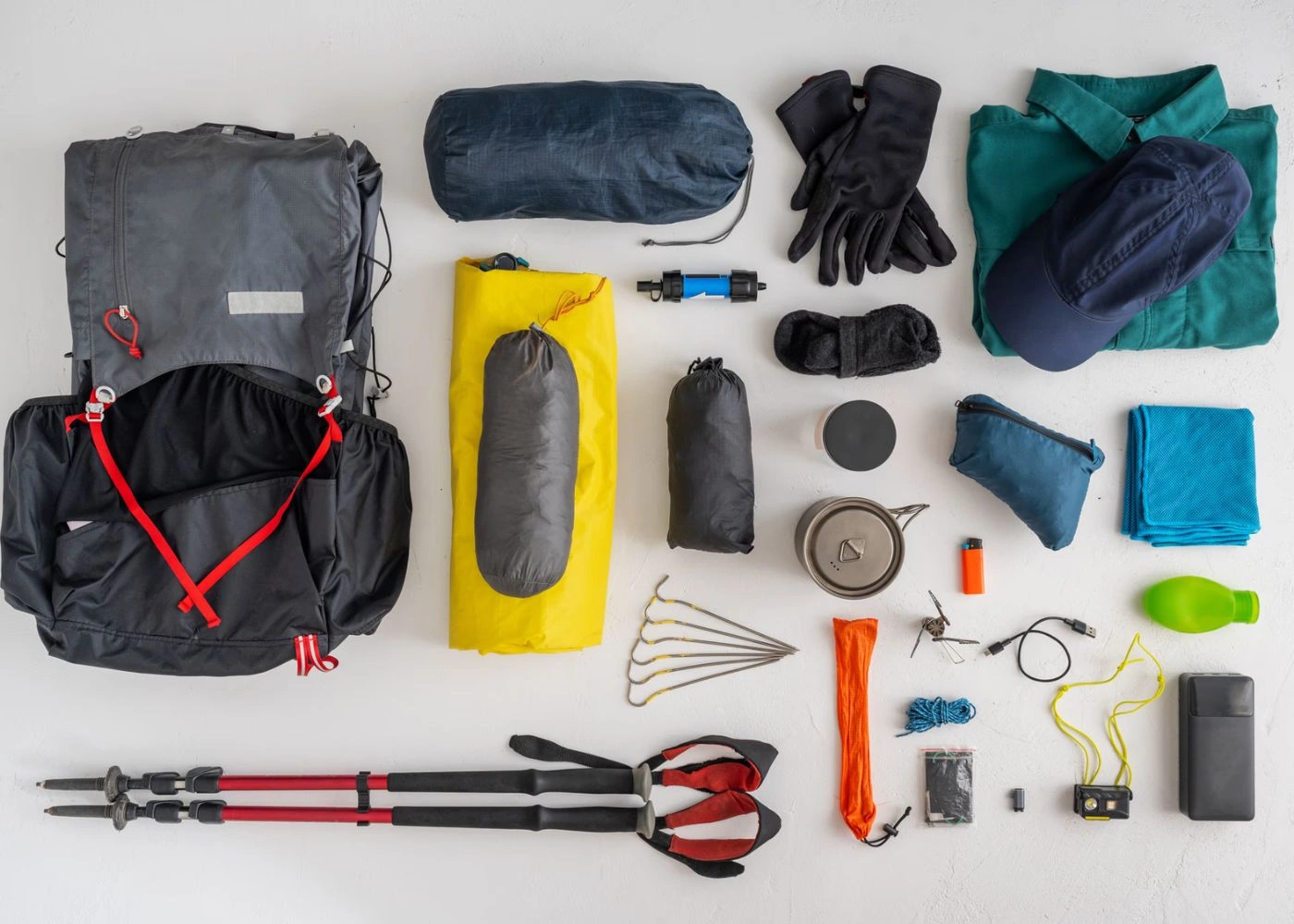
The layering system adapts to temperature changes between morning cold and afternoon warmth. The base layer includes 2 to 3 synthetic or wool shirts and long underwear. The mid layer consists of fleece or down jacket providing warmth at high camps. The outer layer requires a waterproof, breathable shell jacket and pants. Temperatures vary 15 to 20°C between 6 AM and 2 PM.
Sleeping bags rated to -10°C covers spring and autumn trekking. Tea houses provide blankets but cleanliness varies. Bag liner adds warmth and hygiene. Winter treks require a -15 to -20°C rating.
Accessories include sun hat, warm beanie, gloves (liner and warm pair), sunglasses (Category 3 or 4), and headlamp with spare batteries. UV intensity increases 10% per 1,000 meters elevation. Sunscreen (SPF 50+) and lip balm prevent burns.
Technical items include 2 to 3 liter water capacity (bottles or bladder), water purification (tablets, filter, or SteriPEN), and offline map applications. A portable battery bank maintains phone and camera charging between tea house stops.
Total pack weight should not exceed 12 kilograms for moderate fitness trekkers. Porter services allow reduction to 5 to 7 kilogram day packs.
Accommodation and Food Systems
Tea house networks provide sleeping rooms and meals across all established short trek routes. Facilities range from basic rooms with shared toilets to lodges with ensuite bathrooms and hot showers.
Standard tea house rooms include twin beds with thin mattresses, pillows, and blankets. Walls consist of plywood or stone with minimal insulation. Heating comes from communal dining room stoves rather than individual room heat. Cost ranges from free (when purchasing meals) to $5 per night.

Dining rooms serve multi-cuisine menus with Nepali, Tibetan, Western, and Chinese dishes. Standard options include dal bhat (lentil soup and rice), momos (dumplings), fried rice, noodle soups, and pasta. Prices increase with elevation from $4 to $7 at trailheads to $7 to $12 above 3,500 meters. Dal bhat offers unlimited refills, creating best value for hungry trekkers.
Hot showers cost $2 to $5 depending on fuel source. Solar-heated water appears at lower, sunnier locations while higher elevations use gas or wood heating. Shower availability decreases above 3,500 meters. Bucket baths or wet wipes substitute when showers prove unavailable.
WiFi access costs $2 to $5 daily at tea houses with signal. Connection speeds support messaging and basic web browsing but not video streaming. Cellular coverage exists on most routes through Nepal Telecom or Ncell networks. SIM cards cost $5 to $10 with data packages.
Charging services range from free to $3 per device per charge. Higher elevations charge more due to fuel costs for generator operation. Solar charging takes 4 to 6 hours in direct sunlight.
Budget Planning and Hidden Costs
Short trek budgets span $25 to $60 daily depending on independence level, porter use, and accommodation preferences. Accurate budgeting prevents mid-trek funding shortages in areas with no ATM access.
Independent trekkers on tea house routes spend $25 to $35 daily. This includes accommodation ($3 to $5), meals ($15 to $20 for breakfast, lunch, dinner, and snacks), water ($3 to $5 for 3 to 4 liters), and incidentals ($4 to $6 for charging, WiFi, showers). Remote routes and higher elevations push costs toward the upper range.
Guided trekking adds $25 to $35 daily for guide services including their meals and accommodation. Porter services cost additional $20 to $25 daily. Combined guide-porter budgets reach $45 to $60 daily.
Hidden costs accumulate through extras. Hot showers cost $2 to $5 daily. Device charging runs $2 to $3 per charge. WiFi access adds $2 to $5 daily. Desserts, coffee, and hot chocolate total $5 to $8 daily. Tipping guides and porters traditionally reaches 10 to 15% of service fees.
Cash requirements exceed daily spending through upfront costs. Permits total $23 to $38. Transportation to trailheads costs $10 to $30 depending on route. Return transportation adds an equivalent amount. An emergency buffer of $100 to $150 covers unexpected expenses or extended stays due to weather.
ATMs exist only in Kathmandu, Pokhara, and major towns. Trailheads and mountain villages operate entirely on cash. Carrying sufficient rupees prevents problems. US dollars and Euros exchange easily in cities but villages require Nepali currency.
Total trek costs range from $300 to $500 for independent 5-day treks including permits, transportation, daily expenses, and gear rentals if needed. Guided treks with porters cost $600 to $900 for the same duration.
Travel Insurance Requirements
Travel insurance providing trekking coverage up to 6,000 meters elevation and helicopter evacuation proves mandatory. Standard travel policies exclude trekking above 3,000 meters without trekking supplements.
Helicopter rescue from remote locations costs $3,000 to $7,000 depending on elevation and weather conditions. Insurance covers these expenses when policies explicitly state trekking coverage to appropriate elevations.

Required coverage includes emergency medical treatment, helicopter evacuation, trip cancellation, and baggage loss. Medical evacuation coverage minimums should reach $100,000 to $200,000. Medical treatment coverage requires $50,000 to $100,000.
Policy providers specializing in trekking insurance include World Nomads, IMG Global, and Seven Corners. Policies cost $80 to $150 for 2-week coverage. Purchasing before departure from the home country ensures coverage validity.
Policy terms require reading carefully. Some providers exclude certain activities or require proof of guide services. Pre-existing condition coverage varies significantly between policies. Altitude limits must meet trek maximum elevations.
Tips for Successful Short Trek Experiences
Trek success depends on altitude awareness, nutrition, cultural sensitivity, and environmental responsibility throughout the journey. Following established practices prevents problems while enhancing personal experiences and supporting local communities.
Altitude Sickness Prevention
Altitude sickness affects 20 to 40% of trekkers above 3,500 meters regardless of fitness level. Prevention strategies reduce incidence and severity through gradual ascent, hydration, and symptom awareness.
"Climb high, sleep low" principle guides daily routing. Maximum altitude during the day can exceed sleeping elevation by 300 to 500 meters. Return to lower sleeping elevation allows recovery. This pattern proves especially important above 3,500 meters.
Hydration requirements increase to 3 to 4 liters daily at altitude. Dehydration concentrates blood, reducing oxygen delivery. Clear urine indicates adequate hydration. Caffeinated beverages contribute to daily totals but shouldn't constitute a majority.
Acetazolamide (Diamox) aids acclimatization through increased breathing rate and urination. Dosing starts at 125mg twice daily beginning 24 hours before altitude gain. Side effects include tingling fingers and increased urination. Medical consultation precedes use.
Symptom recognition enables early intervention. Mild symptoms include headache, nausea, and poor sleep. Moderate symptoms add vomiting, increased headache, and shortness of rest. Severe symptoms present with confusion, inability to walk straight, and chest tightness. Mild symptoms improve with rest and hydration. Moderate symptoms require stopping ascent. Severe symptoms demand immediate descent of 300 to 500 meters.
Descent proves the only reliable cure. Symptoms improving within 30 to 60 minutes of descent confirm altitude sickness diagnosis. Delayed descent risks life-threatening conditions including cerebral or pulmonary edema.
Food and Water Safety
Foodborne illness disrupts treks through gastrointestinal distress. Water purification and food choices minimize risks while maintaining energy levels.
Water purification prevents giardia, amoeba, and bacterial infections. Purification tablets (chlorine dioxide or iodine) treat water in 30 to 60 minutes. Filters remove protozoa and bacteria immediately. SteriPEN uses UV light to kill microorganisms in 90 seconds. Boiled water from tea houses proves safe but purchasing creates plastic waste when bottles aren't reused.
Food safety focuses on thoroughly cooked items. Dal bhat, noodle soups, and rice dishes receive high-temperature cooking, killing pathogens. Fresh salads carry contamination risks from washing water. Fruits requiring peeling (oranges, bananas) prove safer than surfaces eaten directly.
Vegetables growing in fertilized soil carry contamination risks. Traditional farming uses animal manure potentially containing parasites. Cooked vegetables prove safer than raw preparations. Western-style salads should be avoided above 3,000 meters where refrigeration becomes unreliable.
Snacks supplement tea house meals during long trekking days. Trail mix, energy bars, and chocolate provide quick calories. Village shops sell biscuits, instant noodles, and packaged snacks. Prices increase 20 to 30% with elevation but availability remains consistent.
Cultural Respect and Local Customs
Cultural sensitivity maintains positive relationships between trekkers and mountain communities. Understanding customs prevents offense while enriching cultural exchange.
Photography etiquette requires permission before photographing people, religious sites, or ceremonies. Many locals welcome photos but appreciate being asked. Monasteries forbid photography inside shrine rooms. Women may decline photos due to traditional modesty values.
Religious respect includes walking clockwise around Buddhist stupas, chortens, and mani walls. Prayer flags should not be stepped over or used as laundry lines. Shoes are removed before entering monasteries and private homes. Modest dress covers shoulders and knees particularly near religious sites.
Greeting customs include "namaste" with pressed palms and a slight bow. Sharing food or drinks involves the right hand or both hands, never the left hand alone. Pointing with index finger shows disrespect; open hand indicates direction instead.
Bargaining applies to handicraft purchases but not accommodation or food. Tea house prices stay fixed with minimal negotiation room. Aggressive bargaining in villages damages community relationships.
Physical contact follows conservative norms. Public displays of affection prove inappropriate. Same-sex hand-holding indicates friendship rather than romantic involvement. Male-female hand-holding draws attention and sometimes disapproval.
Environmental Responsibility
Environmental protection preserves trek destinations for future visitors while supporting local ecosystems. Leave No Trace principles adapt to Himalayan contexts.
Waste management eliminates plastic pollution. Refillable water bottles or bladders replace single-use bottles. Many tea houses offer filtered water refills for $1 to $2 per liter. Waste sorting into recyclable, compostable, and trash categories helps villages manage limited disposal options.
Toilet paper and hygiene products require packing out in plastic bags. Mountain villages lack waste infrastructure for non-compostable items. Used batteries especially demand removal to valley towns with proper disposal.
Firewood conservation reduces deforestation pressure. Ordering food requiring minimal cooking (dal bhat versus steak) lessens wood demand. Choosing lodges with solar heating over wood fires supports sustainability.
Trail erosion minimizes through established path use. Shortcutting switchbacks creates erosion gullies and damages vegetation. Single-file hiking reduces trail widening. Wet season trekking creates maximum erosion damage.
Wildlife observation maintains distances preventing disturbance. Feeding animals creates dependency and alters natural behaviors. Loud noises startle wildlife particularly during nesting seasons.
Combining Multiple Short Treks
Multiple short treks during single Nepal visits maximize geographic diversity and cultural exposure. Strategic routing eliminates backtracking while experiencing different regions.
Pokhara-based combinations pair Annapurna region treks. Completing Poon Hill (4 days) followed by Mardi Himal (6 days) totals 10 days experiencing both routes. Shared approach through Dhampus to Pothana reduces redundancy. The combination showcases sunrise viewpoints and base camp terrain.
Kathmandu-based pairings combine Langtang and Helambu circuits. Completing Langtang Valley (6 days) connects to Helambu circuit (4 days) through Tharepati Pass creating a 10-day loop. The routes share no segments, maximizing new terrain. Both regions offer distinct ethnic experiences (Tamang versus Hyolmo).
Cross-region combinations require transportation between Kathmandu and Pokhara. Flying takes 25 minutes at $100 to $150. Tourist buses require 6 to 7 hours at $7 to $10. Combining Poon Hill (Pokhara) with Pikey Peak (near Kathmandu) showcases Annapurna and Everest perspectives in 10 to 12 days total.
Rest days between treks prove essential. Allocating 2 to 3 days in Pokhara or Kathmandu between treks allows laundry, gear maintenance, and physical recovery. Cities offer restaurants, cafes, and comfortable accommodation unavailable in mountains.
Choosing Your Nepal Short Trek Adventure
Nepal's short treks deliver concentrated Himalayan experiences combining mountain panoramas, cultural immersion, and physical challenge within week-long timeframes. Routes spanning 3 to 7 days accommodate diverse abilities and interests from easy valley walks to challenging base camp approaches.
Selection criteria prioritize available time, fitness level, altitude comfort, and preference balance between scenery and culture. Easy routes like Royal Trek suit beginners while Mardi Himal Base Camp challenges experienced hikers. Cultural enthusiasts gravitate toward Tamang Heritage Trail while view-focused trekkers Pikey Peak or Poon Hill.
Seasonal timing affects trail conditions, visibility probability, and crowd levels substantially. Spring rhododendrons and autumn clarity create premium conditions with corresponding tourist numbers. Winter solitude comes with cold temperatures. Monsoon rain shadow areas enable summer trekking despite broader regional challenges.
Preparation encompasses permit acquisition, fitness training, gear selection, and budget planning across 8 to 12 weeks. Independent trekking reduces costs while guided options add cultural interpretation and logistical convenience. Insurance covering helicopter evacuation proves mandatory for safety.
Success principles include altitude awareness, cultural sensitivity, and environmental responsibility throughout journeys. Preventing altitude sickness through gradual ascent, maintaining hydration, and recognizing symptoms prevents serious complications. Respecting local customs and minimizing environmental impact preserves destinations and community relationships.
Short treks represent ideal introductions to Himalayan trekking, testing abilities and interests before committing to longer expeditions. They also satisfy experienced trekkers seeking efficient mountain experiences within busy schedules. The compact format delivers remarkable value through accessibility, diversity, and concentrated beauty across Nepal's spectacular mountain landscape.
We focus on safety, authentic local experiences, and high-quality service, ensuring your trekking journey in Nepal is both memorable and rewarding.
FAQs About the Best Short Treks in Nepal
What is the best short trek in Nepal?
Ghorepani Poon Hill Trek is often considered the best short trek in Nepal because it combines beautiful mountain views, easy access, cultural villages, and a famous sunrise viewpoint in just 4 to 5 days.
Which is the easiest short trek in Nepal?
Nagarkot Chisapani Trek, Australian Camp Trek, and Royal Trek are among the easiest short treks in Nepal.
What is the best 3-day trek in Nepal?
Nagarkot Chisapani Trek and Australian Camp Trek are two of the best 3-day treks in Nepal.
Which short trek in Nepal is best for beginners?
Ghorepani Poon Hill Trek, Dhampus Sarangkot Trek, Royal Trek, and Nagarkot Chisapani Trek are excellent choices for beginners.
What are the best short treks near Pokhara?
The best short treks near Pokhara include Ghorepani Poon Hill, Mardi Himal, Royal Trek, Australian Camp, Dhampus Sarangkot, Panchase, and Mohare Danda.
What are the best short treks near Kathmandu?
Nagarkot Chisapani Trek, Helambu Trek, and Langtang Valley Trek are among the best short treks near Kathmandu.
Can I do a short trek in Nepal without taking a flight?
Yes. Many of the best short treks in Nepal are accessible by road, including Langtang Valley, Helambu, Poon Hill, Panchase, Mohare Danda, and Nagarkot Chisapani.
Do I need a guide for a short trek in Nepal?
Guide requirements depend on the region and current trekking rules. It is best to confirm the latest requirements for your route before planning your trip.
What is the best season for short treks in Nepal?
Spring and autumn are generally the best seasons for short treks in Nepal because of clear weather, stable trail conditions, and good mountain views. Some lower-altitude treks can also be done in winter.
How much does a short trek in Nepal cost?
The cost depends on the route, duration, group size, guide service, transport, accommodation level, and what is included in the package. Short treks near Pokhara or Kathmandu are often more budget-friendly than routes with longer transport or higher logistics needs.
Plan Your Short Trek in Nepal
If you are looking for the best short treks in Nepal, we are happy to help you the right route for your time and travel style. Whether you want an easy short trek, a beginner-friendly route, or a scenic mountain trip near Kathmandu or Pokhara, we can arrange the ideal itinerary for you.
Contact us today to plan your short trekking holiday in Nepal.