A Nepal lifetime experience is a complete journey through the Himalayas, living cultures, ancient heritage, diverse ecosystems, and adventure landscapes that change dramatically from the Terai plains to the world's highest mountains. Nepal brings together Everest Base Camp, the Annapurna and Manaslu regions, Upper Mustang, remote Himalayan villages, Kathmandu Valley heritage, Buddhist and Hindu pilgrimage sites, and wildlife habitats in Chitwan and Bardia. The country's mountain communities, Newari traditions, monasteries, conservation areas, trekking routes, and high-altitude landscapes create an experience where physical exploration and cultural discovery are inseparable.
Creating a meaningful lifetime experience in Nepal involves choosing the right combination of trekking, cultural immersion, wildlife, scenic viewpoints, and outdoor adventure while accounting for season, altitude, permits, itinerary length, and responsible travel practices. From sunrise at Poon Hill and Himalayan trails above 5,000 meters to Sherpa and Gurung communities, Newari cities, jungle safaris, white-water rivers, and paragliding over Pokhara, Nepal offers experiences for different travel goals and levels of adventure. This guide brings those experiences together with practical information on the best treks, heritage sites, local communities, adventure activities, wildlife encounters, seasonal conditions, preparation, safety, permits, and personalized trip planning.
Why Does Nepal Offer Such a Memorable Lifetime Experience?
Nepal creates memorable lifetime experiences because it compresses more geographic, cultural, and adventure diversity into a single destination than almost anywhere else on the planet. Travelers access 8,848.86-meter summits, ancient Newari cities, active Hindu pilgrimage temples, and rare one-horned rhinoceros, all within a country smaller than the state of California.
Nepal sits at the intersection of two civilizations. The Indian subcontinent and the Tibetan Plateau collide here, producing a blend of Hindu and Buddhist traditions that exist nowhere else in this form. 124 languages are spoken across 142 ethnic communities. Festival calendars overflow: Dashain, Tihar, Holi, Indra Jatra, and Losar each transform entire cities and villages into living cultural exhibitions.
Nepal's cultural diversity is documented at the census level: the government's Nepal Atlas: Caste and Ethnic Groups, drawn from the 2021 National Population and Housing Census, counts 142 distinct caste and ethnic groups, from the 1.8-million-strong Tharu community to groups numbering under 1,000 people.
The landscape reinforces this sense of the extraordinary. Nepal spans 5 climatic zones, from the Terai plains at 60 meters above sea level to the permanent glaciers of the Himalayas above 8,000 meters. This vertical range packs extraordinary biodiversity into a compact area. Over 900 bird species inhabit Nepal's forests and wetlands, and the country hosts the Bengal tiger, snow leopard, Asian elephant, and greater one-horned rhinoceros within protected national parks.
What most travelers overlook: Nepal's experience is not singular. It's cumulative. Each day reveals a new layer, a Sherpa village at 3,900 meters, a medieval courtyard in Bhaktapur, a rhino sighting at dusk in Chitwan. The total effect builds into something genuinely transformative.
What Makes Nepal's Landscapes So Exceptional?
Nepal's landscapes are exceptional because the country concentrates 5 distinct geographic zones within a north-south span of roughly 200 kilometers, producing altitude-driven scenery that transitions from tropical forests to glaciated peaks in just a few days of travel.
The Terai lowlands in the south support dense sal forests and floodplain ecosystems that shelter tigers and elephants. The Mahabharat Range and Chure Hills rise above the plains, forming a green mid-hill zone where rice terraces cascade down valley walls. The Himalayan foothills follow, the zone where most trekking routes begin, before the landscape gives way to high-altitude desert plateaus and permanent snowfields in the north.
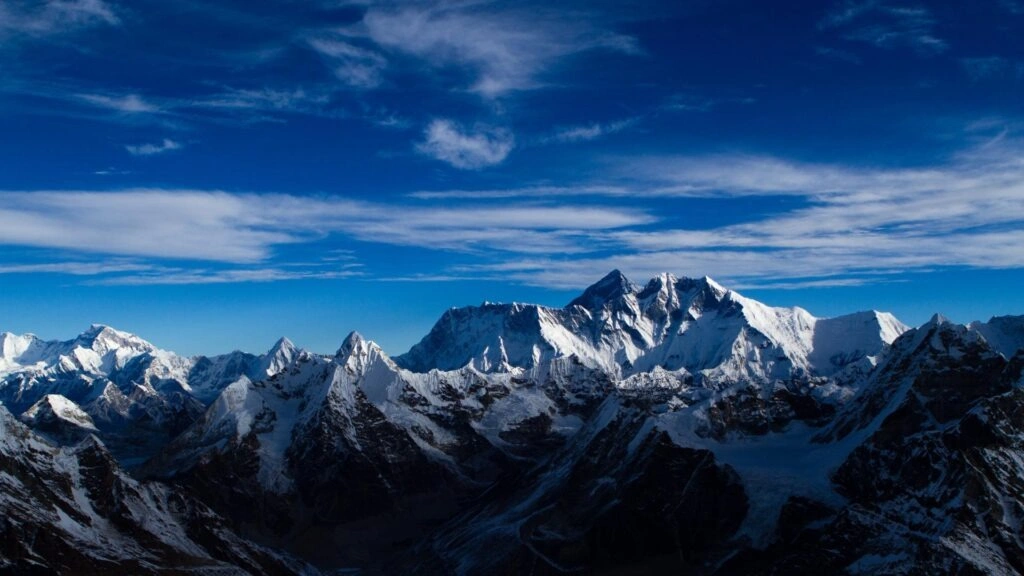
Eight mountains exceeding 8,000 meters define Nepal's skyline: Everest (8,848.86 m), Kangchenjunga (8,586 m), Lhotse (8,516 m), Makalu (8,485 m), Cho Oyu (8,188 m), Dhaulagiri (8,167 m), Manaslu (8,163 m), and Annapurna I (8,091 m). No other country concentrates this density of extreme altitude.
Pokhara serves as a gateway city that illustrates Nepal's landscape contrast at its sharpest. The Phewa Lake reflects the Annapurna massif from a valley floor at 820 meters elevation. The Machapuchare (Fishtail Mountain, 6,993 m) rises directly behind the lakeside promenade, creating a postcard-perfect juxtaposition of water, green hills, and ice-covered peaks that travelers consistently rank among the most visually striking natural settings they have ever witnessed.
Why Is Nepal Ideal for Adventure and Exploration?
Nepal is ideal for adventure and exploration because its terrain accommodates 14 defined trekking regions, 6 major whitewater rafting rivers, 2 protected national parks with big-game wildlife, and a paragliding corridor above Pokhara that ranks among Asia's best, all accessible within a single trip framework.
The trail network alone spans thousands of kilometers. Trails link villages that have remained largely unchanged for centuries, making trekking in Nepal a form of both physical challenge and cultural exploration simultaneously. Unlike pure wilderness trekking in other regions, Nepal's routes pass through inhabited communities where local teahouses provide accommodation, meaning trekkers travel light without sacrificing comfort.
Adventure options extend well beyond trekking. The Bhote Koshi River drops a steep 15 to 18 meters per kilometer in its upper gorge, rating as one of Asia's most technical whitewater experiences. The Last Resort bungee platform, suspended 160 meters above the same river, ranks among the highest bungee jumps in the world. Paragliding flights from Sarangkot above Pokhara last 20–30 minutes and offer eye-level views of the Annapurna range.
The exploration dimension runs equally deep. Upper Mustang, a former medieval Tibetan kingdom sealed from the outside world until 1992, preserves cave monasteries, walled cities like Lo Manthang, and a semi-arid plateau landscape unlike anything in the rest of Nepal. Accessing it requires a special Restricted Area Permit of USD 500 per person for 10 days. That controlled access preserves both the ecosystem and the cultural integrity, which is exactly why the experience remains genuinely rare.
Which Nepal Experiences Belong on a Lifetime Bucket List?
The 5 Nepal experiences that belong on a lifetime bucket list are: trekking to Everest Base Camp, completing the Annapurna Circuit, exploring the Kathmandu Valley's UNESCO heritage sites, wildlife safari in Chitwan National Park, and cultural immersion in a Himalayan village above 3,500 meters.
These 5 experiences collectively capture Nepal's full range, physical challenge, historical depth, natural spectacle, wildlife encounter, and human connection. No single trip requires all five, but most travelers who return to Nepal come back specifically to complete those they missed on previous visits.
Which Himalayan Treks Offer Unforgettable Experiences?
The 4 Himalayan treks that deliver the most unforgettable Nepal experiences are: Everest Base Camp (130 km round trip, 12–16 days), Annapurna Circuit (160–230 km, 14–21 days), Manaslu Circuit (177 km, 14–18 days), and Langtang Valley (65 km, 7–10 days).
Each trek targets a different type of traveler. Everest Base Camp delivers the world's most iconic mountain approach. The Annapurna Circuit crosses the Thorong La Pass at 5,416 meters and circles one of the world's highest massifs. The Manaslu Circuit follows a route that earned Restricted Area status until 1991, preserving a traditional culture far less touched by commercialization. The Langtang Valley Trek provides the shortest complete Himalayan experience, reaching 4,380 meters at Tserko Ri viewpoint.
Why Is Everest Base Camp a Once-in-a-Lifetime Journey?
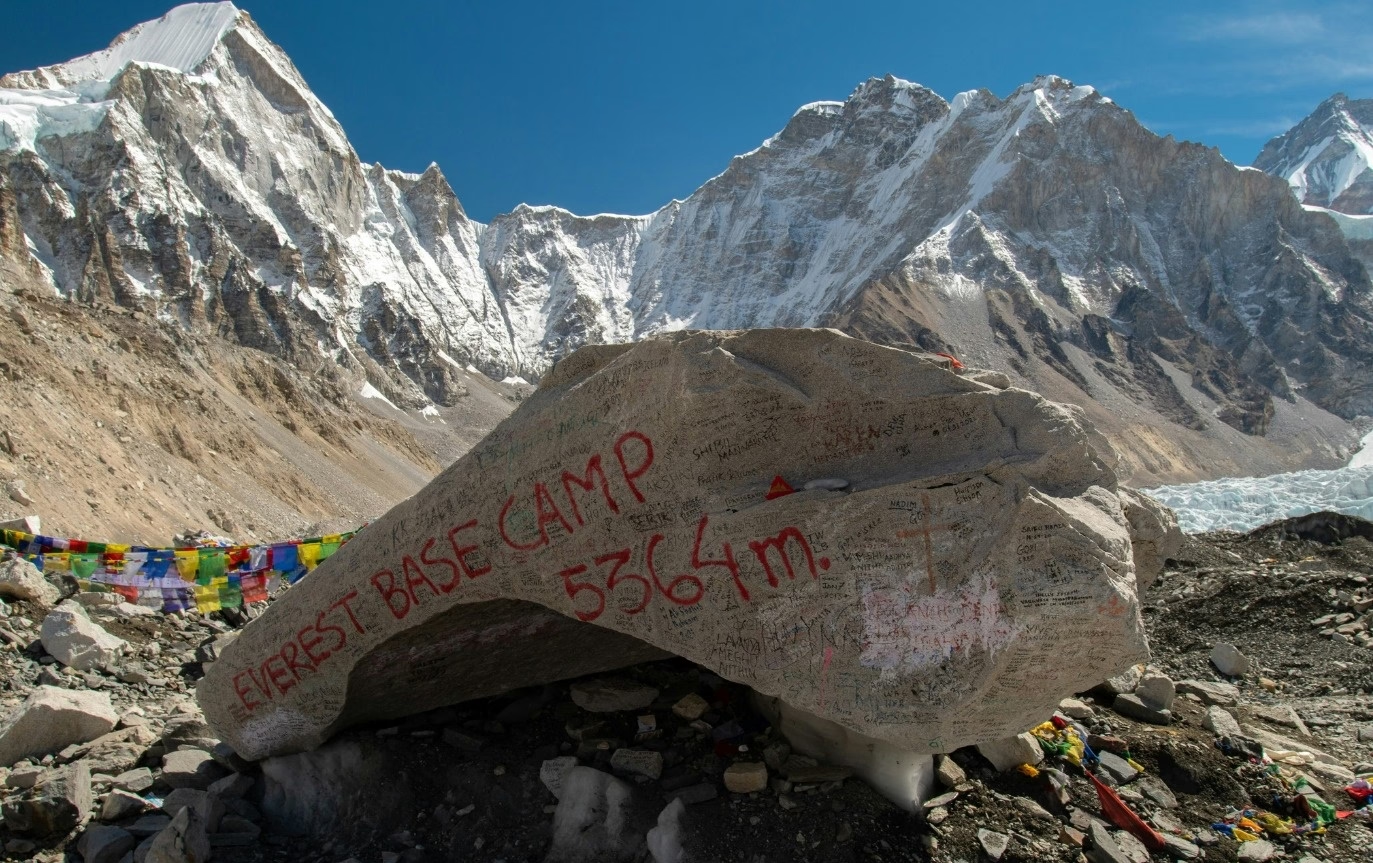
Everest Base Camp is a once-in-a-lifetime journey because the 130-kilometer round-trip trail passes through the world's highest inhabited villages, crosses 3 glacial valleys, reaches 5,364 meters at Base Camp itself, and delivers direct views of Everest, Lhotse, Nuptse, and Ama Dablam, 4 of the world's highest peaks, along a single route.
The trek begins at Lukla Airport (2,860 m), one of the most dramatically positioned airstrips on earth. The trail climbs through Namche Bazaar (3,440 m), the commercial hub of the Khumbu region, and Tengboche Monastery (3,867 m), the largest and most prominent monastery in the Everest region, before reaching Gorak Shep (5,164 m) and Base Camp (5,364 m).
What makes EBC distinctly different from reading about it: the approach route matters as much as the destination. The Sherpa villages of Khumjung, Phortse, and Dingboche document a culture that evolved specifically to survive and flourish at extreme altitude. The people who guide you through the Khumbu share the same ancestry as those who have climbed Everest more than 30 times. That human context transforms a mountain walk into something far more layered.
One insight most first-timers miss: the best view of Everest on the entire trek is not from Base Camp itself but from Kala Patthar (5,545 m), a rocky prominence a few hours above Gorak Shep. Base Camp sits at the foot of the Khumbu Icefall, which obscures the summit. From Kala Patthar at dawn, Everest's black pyramid rises directly above a sea of clouds, a view that has ended up on the walls of more travelers' homes than any other in Nepal.
What Makes the Annapurna Region Worth Exploring?
The Annapurna region is worth exploring because it offers 3 distinct trekking routes at different difficulty levels, Annapurna Base Camp (ABC, 4,130 m), the Annapurna Circuit (5,416 m at Thorong La), and the Poon Hill circuit (3,210 m), accommodating trekkers from intermediate to advanced within the same geographic zone.
The Annapurna Conservation Area, launched in 1986 as detailed in NTNC's Status of Tigers and Prey in Nepal 2022 report, covers 7,629 square kilometers and is home to more than 100,000 residents from multiple ethnic and linguistic communities. The conservation model here is unique in Nepal: the Annapurna Conservation Area Project (ACAP) channels a portion of every trekking permit fee directly into village-level conservation and community development programs.
The cultural experience in the Annapurna foothills stands apart from the Sherpa-dominated Everest region. Gurung, Magar, and Thakali communities populate the valleys, each with distinct architectural traditions, festivals, and food cultures. The Thakali khola (restaurant) tradition, a set-menu meal service combining dal bhat with Tibetan-influenced dishes, represents a culinary experience travelers specifically plan return visits to repeat.
Which Lesser-Known Treks Create Unique Nepal Experiences?
The 3 lesser-known Nepal treks that create genuinely unique experiences are: Upper Mustang (ancient Tibetan kingdom plateau, restricted permit required), Kanchenjunga Base Camp (8,586 m approach, extreme east Nepal, 18–24 days), and Dolpo (high-altitude trans-Himalayan wilderness, featured in Peter Matthiessen's The Snow Leopard).
Upper Mustang preserves walled cities, cave monasteries carved into red-ochre cliffs, and a Tibetan cultural landscape that the Chinese Cultural Revolution erased from Tibet itself. Lo Manthang, the walled capital at 3,840 meters, houses 4 monasteries, a royal palace, and a community of roughly 1,000 residents maintaining a culture unchanged in its essentials for 600 years.
Kanchenjunga Base Camp is Nepal's most remote major trek. The approach requires 4 days of road and jeep travel from Kathmandu before the trail even begins, and the route passes through Taplejung district, a region where foreign visitors remain rare enough that children sometimes see their first non-Nepali person on the trail. The Kanchenjunga Conservation Area hosts the red panda, snow leopard, and Himalayan black bear.
Dolpo was closed to foreigners until 1989. The trail crosses passes above 5,000 meters and descends into valleys where Bon Po monasteries predate Buddhism's arrival in Tibet. The permit system remains strict: Inner Dolpo requires a restricted area permit of USD 500 for the first 10 days, and USD 50 for each additional day. That price point filters the visitor volume deliberately, and that filtering is the reason the experience remains authentic.
How Can You Experience Nepal's Culture and Heritage?
Nepal's culture and heritage are experienced through 3 primary channels: visiting the 7 UNESCO-listed monument zones in the Kathmandu Valley, participating in active festival cycles (17 major festivals across a single calendar year), and engaging directly with Himalayan communities on trekking routes above 2,500 meters.
Which Cultural Experiences Reveal Nepal's Traditions?
The 5 cultural experiences that most deeply reveal Nepal's traditions are: Pashupatinath Temple's evening aarti ceremony, Boudhanath Stupa's circumambulation at dawn, Indra Jatra festival in Kathmandu (8-day celebration in September), a night in a traditional Newari guesthouse in Bhaktapur, and a teahouse conversation with a Sherpa family in the Khumbu.
Each experience accesses a different strand of Nepal's cultural fabric. Pashupatinath, one of Hinduism's most sacred Shiva temples, hosts cremation ghats on the Bagmati River, a site where the Hindu relationship with death and rebirth plays out openly. The experience confronts assumptions and delivers a perspective on mortality that travelers consistently identify as one of the most profound of their lives.
Boudhanath, one of the world's largest Buddhist stupas at 36 meters in height, anchors a Tibetan Buddhist community of monks, nuns, and laypersons who circulate around the stupa at dawn in the traditional clockwise direction. The ritual creates a moving meditation that visitors, regardless of their personal faith, find deeply affecting.
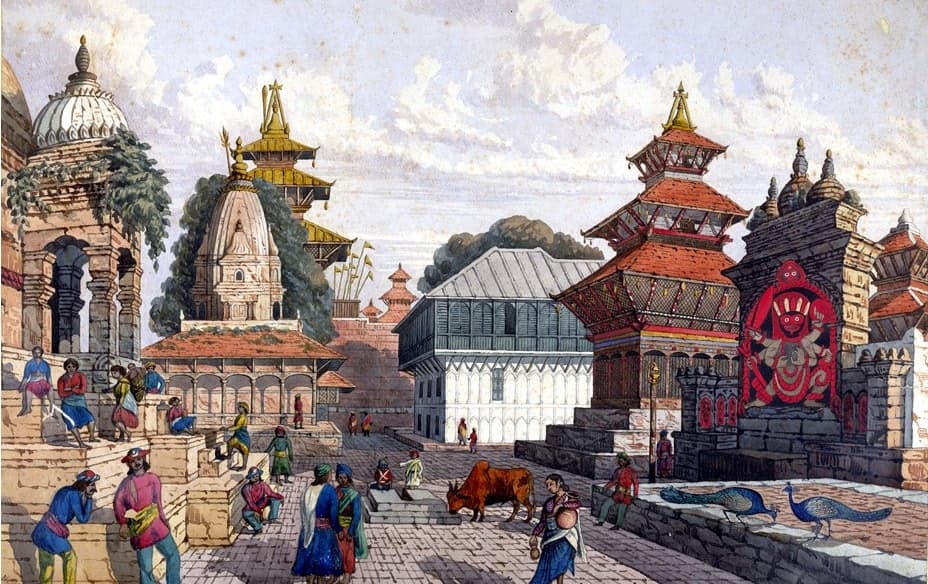
The Newari civilization of the Kathmandu Valley produced the woodcarving, metalwork, and architectural traditions visible in the three durbar squares at Kathmandu, Patan, and Bhaktapur. The Newari people, the valley's original inhabitants, maintain craft traditions spanning more than 1,500 years. Bhaktapur's Peacock Window alone, a 15th-century woodcarving depicting a peacock surrounded by celestial figures, represents a level of craftsmanship that draws woodworkers from across the world to study its technique.
Why Should You Visit Nepal's Ancient Heritage Sites?
Nepal's 4 UNESCO World Heritage Sites, Kathmandu Valley (7 monument zones, inscribed 1979), Sagarmatha National Park (1979), Chitwan National Park (1984), and Lumbini (1997), collectively document 2,500 years of human civilization, ecological diversity from 60 meters to 8,848 meters, and the birthplace of the Buddha, placing Nepal among the most historically dense destinations in Asia.
Lumbini, the birthplace of Siddhartha Gautama (Buddha) in approximately 563 BCE, sits in the Terai lowlands near the Indian border. The Maya Devi Temple marks the exact site of the birth, and the Ashoka Pillar erected by the Mauryan emperor Ashoka in 249 BCE confirms the location as one of history's most precisely authenticated sacred sites. The Sacred Garden surrounding it hosts monasteries built by Buddhist nations from 41 countries.
Sagarmatha National Park encompasses the Khumbu Himalayan ecosystem from 2,845 to 8,848 meters. It protects the upper watershed of the Dudh Koshi River, the Khumbu Glacier, and critical habitat for the snow leopard and red panda. Most EBC trekkers pass through it without registering its formal status, but the park's boundary controls have directly preserved the forest cover that would otherwise have been stripped for fuel by the region's growing teahouse economy.
How Can You Experience Local Himalayan Communities?
Local Himalayan communities are most authentically experienced through 4 methods: staying in family-run teahouses rather than lodge chains, volunteering through vetted Nepal-based NGOs for stays of 2 weeks or more, joining a community homestay program in villages like Ghale Gaun or Ghandruk, and traveling with a local guide from the region rather than a Kathmandu-based operator.
The teahouse system runs differently than most travelers expect. A teahouse in Nepal is typically the front room of a family home, extended with a wooden dining area and dormitory rooms. The family cooks, manages, and hosts simultaneously. Conversations happen naturally over evening meals of dal bhat, a lentil soup and rice combination that Himalayan communities eat twice daily. These unscripted interactions generate the human connection that stays with travelers long after summit views fade.
Ghandruk village in the Annapurna region operates a successful community-based tourism model. The Ghandruk Eco Village Resort is managed by a local cooperative. Revenue funds a village trail maintenance system and a cultural museum documenting Gurung military history, traditional dress, and agricultural practices. Staying here funds the preservation of the culture visitors come to see.
What Adventure Activities Can Make Your Nepal Experience Unforgettable?
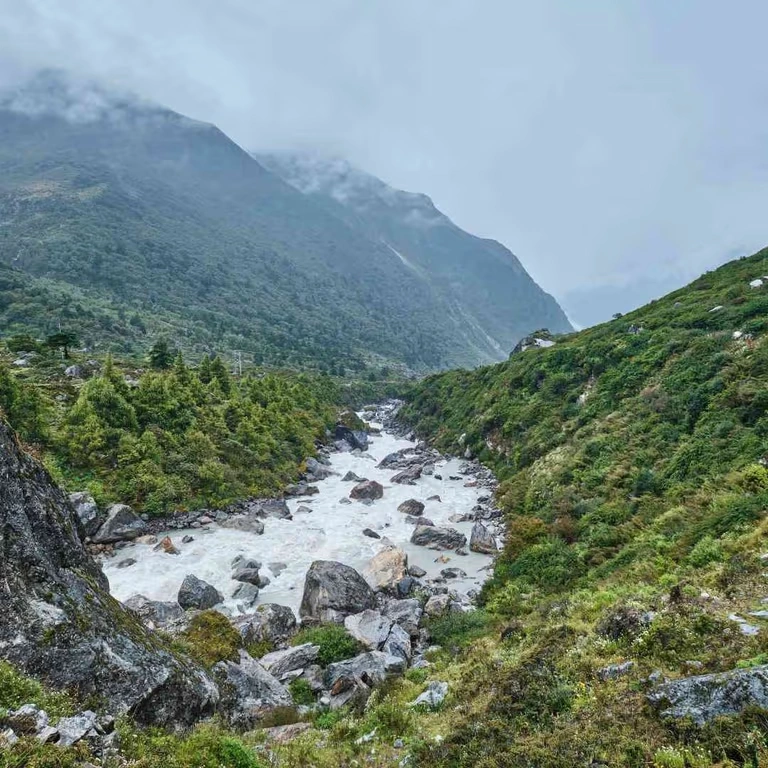
Nepal's 6 most memorable adventure activities are: high-altitude trekking, white-water rafting on class IV–V rivers, paragliding from Sarangkot above Pokhara, bungee jumping at The Last Resort (160 m), mountain biking the Prithvi Highway and off-road Mustang trails, and jungle safari in Chitwan National Park.
Which Outdoor Adventures Can You Try in Nepal?
Nepal's outdoor adventure portfolio covers 8 distinct activity categories: trekking (14 designated regions), mountaineering (27 peaks open for permit climbing), white-water rafting (6 rated rivers), paragliding (Pokhara is Asia's premier site), bungee jumping, zip-lining, mountain biking, and rock climbing near Hattiban and Nagarjun.
White-water rafting on the Sun Koshi River rates as one of the top 10 rafting experiences in the world, according to the International Rafting Federation's grading system. The Sun Koshi offers a 270-kilometer multi-day journey through class IV rapids, a 10-day expedition that crosses remote gorges inaccessible by any road. By contrast, the Trishuli River provides a half-day rafting option 2 hours from Kathmandu, making it the most accessible introduction to Nepali river adventure for travelers with limited time.
Paragliding above Pokhara launches from Sarangkot ridge at 1,592 meters and lands in the Lakeside area near Phewa Lake. Tandem flights cover 20–30 minutes in duration. The thermal activity from the Phewa Valley creates extended soaring conditions that allow pilots to reach 2,000 meters above take-off elevation on strong days. The flight path passes over rice terraces, Pokhara's urban center, and the lake itself, with the Annapurna and Machapuchare massifs filling the northern skyline throughout.
How Can Wildlife Experiences Add to Your Nepal Journey?
Wildlife experiences in Nepal's 2 primary national parks, Chitwan (932 km²) and Bardia (968 km²), provide encounters with 4 endangered species: the greater one-horned rhinoceros, Bengal tiger, Gangetic river dolphin, and gharial crocodile, making Nepal one of only 5 countries on earth offering land-based sightings of all 4 within protected habitat.
Chitwan National Park's rhino population has grown steadily under active conservation management: NTNC's National Rhino Count 2021 recorded 694 greater one-horned rhinos in Chitwan and 752 nationwide, up from 645 in the 2015 census. Rhinoceros sighting rates on elephant-back or jeep safaris run high: experienced guides at Chitwan achieve rhino sightings on 90%+ of morning game drives.
Tiger sightings are less predictable, the park holds 128 Bengal tigers, part of the 355 recorded nationwide in NTNC's Status of Tigers and Prey in Nepal 2022 report, which confirmed Nepal had met its global pledge to double tiger numbers since 2009.
Bardia National Park, in Nepal's far-western Terai, provides a more wilderness-oriented wildlife experience than Chitwan. The park sees significantly fewer tourists, approximately 25,000 annual visitors versus Chitwan's 150,000+, producing safari conditions closer to East Africa in terms of human-to-wildlife ratio. Bardia's Karnali River is one of the last remaining habitats in Nepal for the critically endangered Gangetic river dolphin, offering exceptionally rare sightings for the most patient wildlife enthusiasts.
Which Scenic Experiences Should You Not Miss in Nepal?
The 5 scenic experiences in Nepal that no itinerary should omit are: sunrise from Nagarkot (1,095 m elevation, views across 400 km of Himalayan panorama), the Thorong La Pass crossing at dawn, the Pokhara lakefront at golden hour with Macchapuchhre reflected in Phewa Lake, the Poon Hill sunrise over the Dhaulagiri and Annapurna ranges, and the aerial approach to Lukla Airport with Himalayan peaks filling every window.
Poon Hill (3,210 m) in the Ghorepani-Poon Hill circuit produces what many photographers identify as the most accessible and reliably spectacular mountain sunrise in the world. From the observation tower at dawn, 14 named peaks above 6,000 meters are visible simultaneously, including Dhaulagiri (8,167 m) and Annapurna South (7,219 m). The hike to Poon Hill from Ghorepani village takes 45 minutes on a well-maintained stone staircase, achievable for any trekker who reaches the village.
When Is the Best Time to Have a Lifetime Experience in Nepal?
The best time for a Nepal lifetime experience is October–November (autumn) for clear mountain views and stable weather, or March–May (spring) for rhododendron blooms and Everest climbing season approach. Both windows deliver 6–8 hours of daily sunshine, low precipitation, and trail conditions that make high-altitude trekking both safe and visually rewarding.
Which Season Is Best for Himalayan Adventures?
Autumn (September–November) is the best season for Himalayan adventures in Nepal for 3 specific reasons: post-monsoon atmospheric clarity delivers views to 8,000+ meter summits without haze, trail conditions are firm and dry, and October–November temperatures at Everest Base Camp range between −10°C at night and +10°C midday, cold but manageable without specialized winter gear.
The autumn window opens as soon as the monsoon withdraws, typically by late September. October represents the single best month across every Nepal travel category: trekking, cultural festivals (Dashain falls in October, Tihar in October–November), wildlife safaris, and paragliding all operate at peak conditions simultaneously. The trail network handles its highest visitor volume during October, which means teahouses are full and should be booked in advance on routes like EBC and Annapurna Circuit.
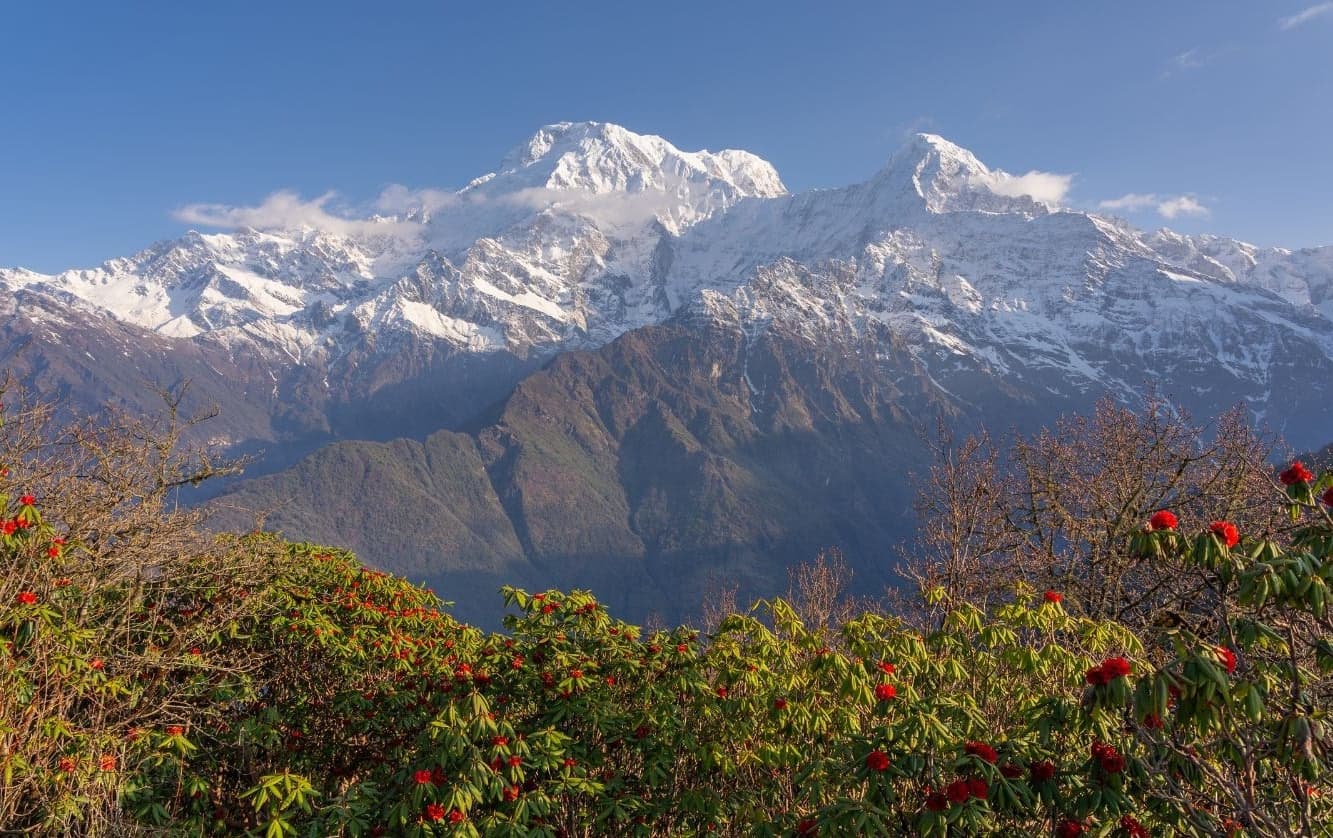
Spring (March–May) offers a distinct alternative. Rhododendron forests at 2,500–3,500 meters bloom from late February through April, covering ridgelines in red, pink, and white flowers. The Annapurna foothills during rhododendron bloom season produce trail scenery that photographers consistently rank higher than autumn, the green and flowering foreground against snow-covered peaks creates a color contrast unavailable at any other time of year.
How Does Nepal Change Across the Seasons?
Nepal cycles through 4 distinct seasonal identities: spring (March–May) brings blooms and Everest climbing expeditions; summer monsoon (June–September) delivers heavy rainfall that closes some passes but fills rivers for rafting and supports lush jungle growth in Chitwan; autumn (October–November) opens the clearest skies of the year; winter (December–February) freezes high passes but leaves Kathmandu Valley mild at 5–15°C and opens unique snow-landscape experiences on lower trails.
Winter Nepal is systematically underrated. Kathmandu averages 19°C in the daytime during December and January. Pokhara stays warmer still. The Terai parks reach their most productive game-viewing period in January–February, when animals concentrate around water sources and grassland visibility is highest. The Langtang Valley Trek in winter delivers empty trails, fresh snow on rhododendron branches, and teahouse owners who provide deeply personalized hospitality because visitor volume drops by 80%.
The monsoon season is not a writeoff. The Annapurna Circuit's rain shadow areas, Manang, Mustang, and Nar-Phu, remain dry even during peak monsoon months because the Himalayan barrier blocks southerly moisture. Traveling Upper Mustang in July means experiencing the plateau's ancient culture while the rest of Nepal is buried in rain. The trade-off: river crossings become more complex, and southern trail sections below 3,000 meters can be genuinely difficult.
How Can You Plan a Lifetime Experience in Nepal?
Planning a lifetime Nepal experience requires 4 core decisions: setting a realistic duration (minimum 10 days, ideally 21+ days for comprehensive coverage), selecting a primary experience category (trekking, culture, wildlife, or combination), obtaining permits in advance (TIMS card, National Park permits, Restricted Area permits), and choosing a guide arrangement that matches personal travel style.
How Many Days Do You Need to Experience Nepal?
Nepal requires a minimum of 10 days for a single focused experience, either a classic trek like Annapurna Base Camp (7 trekking days), a Kathmandu Valley cultural circuit (3 days), or a Chitwan wildlife safari (2 nights). A comprehensive Nepal lifetime experience covering trekking, culture, and wildlife demands 21–28 days.
The 10-day minimum works for travelers with one clear priority. Everest Base Camp alone requires 12–16 days round trip from Kathmandu, making it a standalone trip for most itineraries. The Annapurna Circuit at its shortest complete circuit takes 14 days minimum without jeep shortcuts. Building in acclimatization days, 1 rest day for every 600 meters of altitude gain above 3,000 meters, is non-negotiable for safe high-altitude trekking.
A 21-day itinerary structure that delivers Nepal's full range:
Days 1–3: Kathmandu Valley (Boudhanath, Pashupatinath, Patan, Bhaktapur)
Days 4–5: Chitwan National Park (jeep safari, elephant interaction, canoeing)
Days 6–7: Pokhara (Phewa Lake, Sarangkot sunrise, paragliding)
Days 8–20: Annapurna Base Camp Trek (4,130 m) including acclimatization
Day 21: Return to Kathmandu and departure
What Should You Pack for a Nepal Adventure?
A Nepal adventure requires 3 distinct kit categories: high-altitude trekking gear (layering system from base layer to down jacket rated to −15°C, trekking poles, waterproof boots), cultural visit clothing (modest dress covering shoulders and knees for temple entry), and health essentials (altitude sickness medication, water purification, comprehensive travel insurance with helicopter evacuation coverage).
The most common packing mistake: underestimating the altitude temperature swing. Temperatures at 4,000 meters drop 15–20°C between midday and midnight. A trekker comfortable at lunch in a fleece jacket requires a down jacket, thermal base layers, and a sleeping bag rated to −10°C at night. Over-packing the warm layer is not possible; under-packing is consistently the source of early trek abandonments.
Footwear deserves specific attention. Trekking boots require 100+ kilometers of breaking-in before use on Nepal trails. New boots on a Nepal trek produce blisters severe enough to end the journey, a situation that experienced Nepal guides identify as the second most common cause of premature trail departure after altitude sickness. Pack boots you have walked in extensively before departure.
How Can You Prepare for High-Altitude Experiences?
High-altitude experience preparation in Nepal follows 4 evidence-based protocols: ascending no more than 300–500 meters per day above 3,000 meters (the "climb high, sleep low" principle), pre-trip cardiovascular conditioning (12 weeks minimum of sustained aerobic training), awareness of acute mountain sickness (AMS) symptoms, headache, nausea, fatigue, and dizziness at altitude, and carrying acetazolamide (Diamox, 125–250 mg twice daily) as a preventive medication after physician consultation.
The Nepal Himalayan Rescue Association (HRA), based in Kathmandu with altitude aid posts in Manang and Pheriche, documents approximately 8,000 altitude sickness cases annually across Nepali trekking routes. The HRA's data identifies the Annapurna Circuit between Manang (3,519 m) and Thorong La (5,416 m) and the EBC approach above Namche (3,440 m) as the 2 highest-risk segments on Nepal's most popular routes.
Pre-trip physical preparation reduces, but does not eliminate, altitude risk. Altitude response is determined by genetics as much as fitness. Physically elite athletes experience severe AMS while sedentary travelers acclimatize perfectly. The only guaranteed prevention: ascend slowly, descend if symptoms worsen, and carry a pulse oximeter to monitor blood oxygen saturation (a reading below 75% at altitude warrants immediate descent).
What Should You Know About Responsible Travel in Nepal?
Responsible travel in Nepal operates across 4 specific action areas: supporting locally owned teahouses and guides rather than international tour operators, reducing single-use plastic consumption (trekking in Nepal generates 300 metric tonnes of trail waste annually), respecting religious site protocols (removing shoes, dressing modestly, circling stupas clockwise), and purchasing trek permits through official channels to ensure revenue reaches conservation management.
Porter welfare represents the most actionable responsible travel decision a Nepal trekker makes. The Kathmandu-based International Porter Protection Group (IPPG) documents regular cases of porters carrying loads exceeding 30 kg without appropriate clothing, shelter, or insurance. Booking with an operator who adheres to IPPG guidelines, load limits of 25 kg maximum, full clothing and equipment provision, porter health insurance, directly impacts the wellbeing of the workers who make your trek possible.
Plastic water bottles create the highest volume waste on Nepal trekking routes. The EBC route alone sees approximately 500,000 plastic bottles discarded annually. Carrying a 1-liter water filter bottle (SteriPen or LifeStraw compatible) eliminates this contribution entirely. Teahouses charge NPR 100–300 (USD 0.75–2.25) per liter for boiled water as an alternative, a cost that should be factored into trekking budgets and accepted rather than circumvented through disposable bottles.
How Can Nepal Intrepid Treks Help Create Your Lifetime Experience?
Nepal Intrepid Treks creates lifetime Nepal experiences by combining local guide expertise, government-registered operations, and personalized itinerary design across all 14 Nepali trekking regions, from first-timer-friendly circuits like Poon Hill to restricted permit zones like Upper Mustang and Dolpo.
Can Nepal Intrepid Treks Help You Plan a Personalized Nepal Adventure?
Nepal Intrepid Treks designs personalized Nepal adventures for 5 specific traveler profiles: solo trekkers seeking guide-led safety on remote routes, couples combining cultural and adventure elements in a single itinerary, small groups (2–8 travelers) with custom pacing and flexible scheduling, families with children on moderate-altitude itineraries, and experienced trekkers targeting technical routes above 5,000 meters.
Working with a local Nepal-based agency produces outcomes that international operators cannot replicate. Local knowledge extends to trail conditions that closed 3 days ago, teahouse availability at specific villages during festival periods, weather patterns affecting specific passes, and community relationships that open access to private cultural events. These are not details visible in a catalog or booking platform, they are the product of years of active presence in the Himalayas.
Nepal Intrepid Treks assigns each client a dedicated trip coordinator who speaks the local dialect of the trekking region, holds a National Tourism Board guide license, and carries Wilderness First Responder certification. Every guided trek includes full insurance coordination for helicopter evacuation, which costs USD 2,000–5,000 for a Khumbu-region rescue and requires advance authorization from the insurer before dispatch. Navigating that coordination from a Himalayan mountainside without support is a situation best avoided.
Planning a Nepal lifetime experience starts with a conversation, not a booking form. Reach out to Nepal Intrepid Treks to discuss timing, fitness level, experience goals, and budget. A custom itinerary takes 48 hours to prepare and comes with no commitment requirement.
What Are the Key Takeaways for Creating a Lifetime Experience in Nepal?
Nepal delivers a lifetime experience through the intersection of 3 irreplaceable elements: extreme Himalayan landscapes concentrated in a geographically compact country, living cultural traditions maintained by 125 ethnic communities across 2,500 years of continuous civilization, and an adventure activity portfolio, trekking, rafting, wildlife safari, paragliding, that no other single destination matches.
The 6 most important planning decisions for a Nepal lifetime experience:
Timing: Choose October–November for clear skies and stable trails, or March–May for rhododendron blooms and spring Himalayan drama.
Duration: Allocate a minimum of 10 days for a focused experience, 21+ days for the full Nepal range.
Altitude preparation: Train cardiovascularly for 12+ weeks, ascend slowly above 3,000 meters, carry Diamox after physician consultation.
Permits: Secure TIMS card, National Park permits, and Restricted Area permits before departure, not on arrival.
Local guidance: Choose a Nepal-registered, locally operated trekking company whose guides hold active National Tourism Board licenses.
Responsible travel: Use locally owned teahouses, eliminate single-use plastic, follow IPPG porter welfare guidelines, and respect religious site protocols.
Nepal's lifetime experience is not a metaphor. The Himalayas, the monasteries, the rhinos, the Sherpa families, the Newari courtyards, these are real, present, and extraordinary. The only obstacle between you and that experience is the decision to go.