Planning a trip to Nepal naturally raises questions about safety, especially for first-time visitors exploring the Himalayas, cultural cities, or remote trekking regions. Nepal offers some of the world's most iconic travel experiences, including Mount Everest, the Annapurna region, UNESCO World Heritage Sites, and wildlife reserves such as Chitwan National Park, but traveling here also involves considerations that differ from many other destinations. Understanding the country's security situation, transportation infrastructure, mountain environment, health risks, and local travel conditions helps visitors prepare realistically while avoiding misconceptions often created by isolated news events or outdated information.
This guide examines every major aspect of travel safety in Nepal using current travel advisories, tourism data, medical guidance, and practical on-the-ground experience. It explains crime levels, tourist scams, trekking safety, road and domestic flight risks, altitude sickness, natural disasters, solo and female travel, food and water safety, emergency resources, travel insurance, and cultural practices that contribute to a safer journey. Whether you are visiting Kathmandu and Pokhara, trekking to Everest Base Camp or Annapurna Base Camp, or planning a broader Nepal itinerary, the information below provides the context and preparation needed to make informed travel decisions.
Why Do Travelers Ask Whether Nepal Is Safe to Visit?
Travelers ask about Nepal's safety because headlines about earthquakes, plane crashes, and political unrest travel farther than ordinary, incident-free trips. The European Union has kept all Nepal-certified carriers on its Air Safety List since 2013, most recently reaffirmed in the European Commission's 48th update (June 2026), which keeps Nepal grouped with 125 other banned carriers across 16 countries, due to oversight gaps at the Civil Aviation Authority of Nepal that the government has now pledged to resolve by splitting CAAN's regulatory and operational roles by mid-January 2027. Each of these events is real and worth understanding. None of them describes the day-to-day experience of the average visitor, who walks through Thamel, tours Durbar Square, and treks the Annapurna foothills without anything more dramatic happening than a sore knee.
What Makes Nepal a Popular Destination for International Travelers?
Nepal's pull as a destination shows up in the numbers: the Nepal Tourism Board's July 2025 Tourism Insights report recorded 70,193 international arrivals that month alone, a 108.7% jump over July 2024 and 99% recovery to pre-pandemic 2019 levels, on the way to roughly 1.16 million visitors for the full year. The country offers three distinct travel experiences within a single visa: Himalayan trekking in the north, Hindu and Buddhist cultural heritage in the Kathmandu Valley, and jungle safari wildlife viewing in Chitwan and Bardia in the south. Budget travelers and luxury travelers both find a developed tourism economy built specifically to receive them, from teahouse lodges at 4,000 meters to five-star hotels in Kathmandu and Pokhara.
What Are the Most Common Safety Concerns About Nepal?
The most common safety concerns about Nepal fall into five categories: petty crime in tourist hubs, road and domestic flight transportation, altitude sickness, natural hazards including earthquakes and landslides, and occasional political demonstrations. Violent crime against tourists in Nepal is rare, but the U.S. State Department's Overseas Security Advisory Council flags Thamel, Pokhara, and the Annapurna region as the areas of concentrated tourist-related crime, and separately warns that some foreign visitors have had sedatives placed in their food or drink by individuals seeking to rob them, a scam risk worth adding to standard precautions like avoiding solo walks after dark. Nepal Police data places assaults on tourists at fewer than 50 reported cases annually across the entire country, a figure that includes a population of millions of annual visitors. Transportation and altitude carry measurably higher risk than crime, which is why this guide spends more time on roads, flights, and mountain physiology than on theft.
How Safe Is Nepal for Tourists Overall?
Nepal is safe for tourists overall, with the country's risk profile concentrated in specific, predictable categories rather than spread evenly across the travel experience. Numbeo's 2025 Crime Index placed Nepal at a Safety Index of 63.3, comparable to several Western European countries and well ahead of many regional peers. The honest picture separates two different risk types: the low-probability, high-consequence risks of mountain travel and road transportation, and the higher-probability, low-consequence risks of overcharging and minor theft. Travelers who plan around the first category and stay alert for the second one have a smooth trip.
How Does Nepal Compare With Other Popular Travel Destinations?
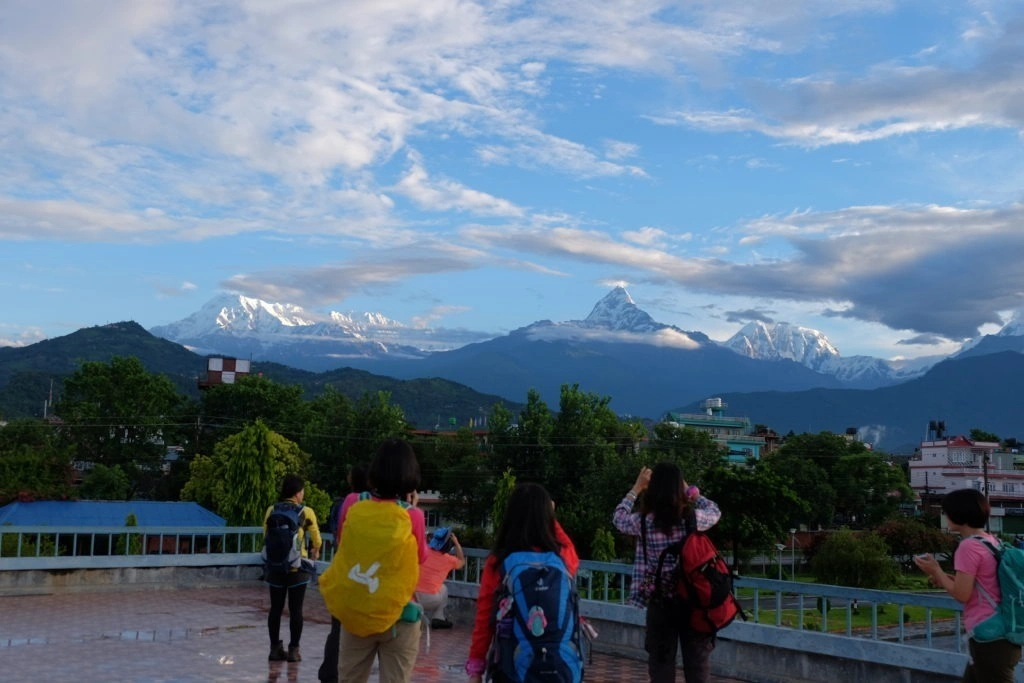
Nepal compares favorably with other popular Asian destinations on violent crime, comparably on petty theft, and less favorably on road and aviation safety, which reflects the country's mountainous terrain rather than weak governance. India, a frequent point of comparison for first-time South Asian travelers, carries higher reported rates of harassment toward female travelers, according to multiple independent travel-safety surveys. Thailand and Vietnam see comparable levels of tourist scamming in nightlife districts. Where Nepal diverges sharply is infrastructure: a landlocked, mountainous country with 77,302 kilometers of roads and some of the most difficult terrain on earth for road and runway construction carries structurally higher transportation risk than flat, coastal destinations. American travelers researching country-specific guidance can review our dedicated breakdown in Is Nepal Safe for American Tourists, which covers advisory history and embassy resources in more depth.
What Do Recent Travelers Typically Experience?
Recent travelers typically describe Nepal as warm, welcoming, and logistically smoother than expected, with the most common complaints centering on traffic noise, air quality in Kathmandu during dry months, and overcharging by unmetered taxis rather than safety incidents. Tourism operators report bookings recovering through the spring 2026 season following the resolution of the September 2025 protests. Trekkers consistently report that teahouse infrastructure, mobile signal coverage, and rescue response have all improved over the past five years, particularly on the Everest and Annapurna circuits where 4G and even 5G coverage now reaches villages above 4,000 meters.
What Types of Safety Risks Should You Know Before Visiting Nepal?
Before visiting Nepal, travelers need a clear picture of three risk types: non-violent property crime concentrated in dense tourist zones, a defined set of recurring scams, and the rare but real possibility of violent crime, which remains exceptional rather than common. Each carries a different mitigation strategy, and conflating them leads to either excessive anxiety or careless underpreparation.
How Common Is Petty Crime in Tourist Areas?
Petty crime occurs regularly in Nepal's densest tourist areas, with pickpocketing and bag-snatching concentrated in Thamel in Kathmandu, Lakeside in Pokhara, and on crowded public buses. Nepal Police data cited by travel-advisory monitors recorded a roughly 23% increase in petty crime targeting tourists in the weeks following the end of the 2025 protests, attributed to economic disruption during the unrest. Standard precautions remain effective: front-zipped bags worn across the body, valuables stored in a hotel safe, and only a photocopy of your passport carried while out walking.
Are Violent Crimes Against Tourists Rare?
Violent crime against tourists in Nepal is rare and remains an exception rather than a pattern. The most recent documented serious incident involved two German trekkers robbed at knifepoint near Ghandruk in November 2025, with no injuries reported. Nepal's official travel advisory describes violent crime against tourists as rare while still recommending that travelers avoid walking alone at night or through isolated areas, advice consistent with precautions in any unfamiliar country, including ones rated Level 1.
Which Tourist Scams Should You Watch Out For?
The recurring tourist scams in Nepal include fake monk or sadhu blessing requests for cash, unmetered taxi overcharging at the airport, fake trekking permits sold by unregistered agents, and gemstone or business-favor schemes that ask travelers to carry packages abroad. Individuals dressed as monks approach tourists in Durbar Square and Boudhanath offering blessings or beaded bracelets, then demand payment, often 500 to 2,000 NPR; genuine monks do not solicit money. Taxi drivers at Tribhuvan International Airport frequently quote 1,500 to 3,000 NPR for a ride that meters at 500 to 800 NPR. The safest defense against all of these patterns is the same: agree on prices before any service begins, book permits and treks only through agencies registered with the Nepal Tourism Board or TAAN, and decline any stranger's offer to carry a package, send money, or act as an impromptu guide.
Is Trekking in Nepal Safe?
Trekking in Nepal is safe for travelers who acclimatize properly, hire a licensed guide, and respect weather and altitude limits, with the primary risks being altitude illness and trail-related falls rather than crime. Hundreds of thousands of trekkers complete routes like Everest Base Camp, Annapurna Base Camp, and the Annapurna Circuit each year, supported by an established network of teahouses, rescue helicopters, and Himalayan Rescue Association health posts at Pheriche and Manang.
What Safety Challenges Can Trekkers Face?
Trekkers in Nepal face four primary safety challenges: acute mountain sickness, sudden weather shifts at altitude, trail hazards including river crossings and exposed ridgelines, and the logistical difficulty of evacuation from remote terrain. A medical emergency above 4,000 meters on the Khumbu or Manaslu trails sits three to five trekking days from the nearest paved road, making helicopter evacuation the only realistic extraction method in many cases. This single fact shapes every other trekking decision a traveler makes, from insurance purchase to itinerary pacing.
How Can You Reduce Risks While Trekking?
Trekkers reduce risk by ascending no faster than 300 to 500 meters per day above 3,000 meters, building in dedicated acclimatization days, carrying trekking-specific insurance with helicopter evacuation coverage up to at least 6,000 meters, and traveling with a companion or licensed guide rather than alone. Checking trail conditions with your guide or teahouse owner each morning matters as much as any piece of gear, since landslide and weather conditions change faster in the mountains than forecasts can track.
Why Is Hiring a Professional Trekking Guide Beneficial?
A professional trekking guide benefits trekkers through three functions a map cannot replace: early recognition of altitude sickness symptoms before they progress to HACE or HAPE, real-time navigation on trails that change with weather and season, and direct coordination with rescue services if something goes wrong. Nepal's government made licensed guides mandatory for foreign trekkers in most major conservation areas and national parks, including Annapurna, Langtang, and Manaslu, through a regulation enforced since 2023. However, the Everest (Khumbu) region is a notable exception where independent trekking remains entirely legal. TIMS card requirements vary by region and shift between seasons, but the guide mandate has held consistently across the major routes, and trekking agencies handle both as a standard part of any organized package. Read our full breakdown of route planning, permits, and acclimatization scheduling in How to Plan Everest Base Camp Trek.
How Safe Are Nepal's Roads and Transportation?
Nepal's roads carry the highest statistical safety risk of any category covered in this guide: a road traffic fatality rate of 28.2 per 100,000 population against an Asia-Pacific average of 15.2, a toll that, per Nepal Police data compiled by UNICEF Nepal, has killed 12,542 people over the past five fiscal years alone and now costs the country roughly 7% of GDP, nearly four times the death toll from all natural disasters combined.
What Should You Expect When Traveling by Road?
Travelers on Nepal's roads encounter mountainous, often single-lane highways, frequent monsoon-season landslides between June and September, and a noticeably higher accident rate on local buses than on tourist coaches. Over-speeding causes more than half of recorded accidents, followed by drink-driving and jaywalking. Booking tourist buses rather than local buses, avoiding overnight road travel, and choosing daytime departures on mountain highways like the Prithvi Highway between Kathmandu and Pokhara reduce exposure meaningfully.
Are Domestic Flights in Nepal Safe?
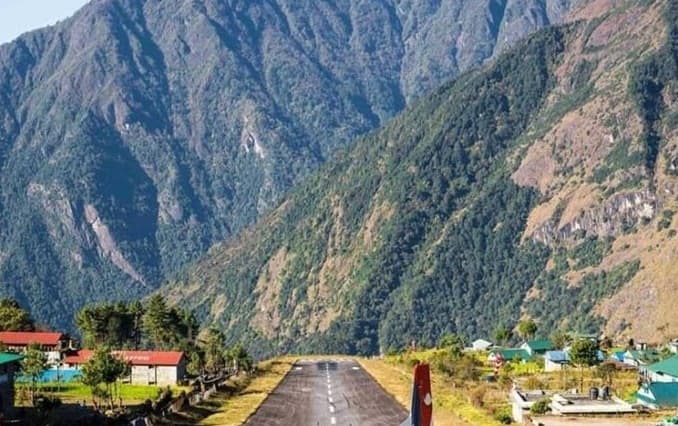
Domestic flights in Nepal are statistically safe on major routes between Kathmandu, Pokhara, and Bharatpur, and carry materially higher risk on short, weather-exposed mountain airstrips such as Lukla and Jomsom. Nepal has recorded 54 air accidents involving Nepalese-registered aircraft since 1960. These are concentrated disproportionately on small aircraft serving mountain destinations, tragically highlighted by recent fatal crashes involving Yeti Airlines in 2023 and Saurya Airlines in 2024. The European Union has kept all Nepal-certified carriers on its Air Safety List since 2013 due to oversight gaps at the Civil Aviation Authority of Nepal, a regulatory finding distinct from the individual safety records of carriers like Buddha Air, Yeti Airlines, and Shree Airlines, which operate modern ATR and Bombardier fleets with established maintenance protocols. Choosing morning departures, building flexible buffer days around mountain flights, and confirming that any trekking insurance policy explicitly covers helicopter evacuation on non-EASA-compliant carriers closes the most common coverage gap travelers encounter.
Are Natural Disasters and Weather Hazards a Concern?
Natural disasters are a genuine, well-documented concern in Nepal, particularly seismic activity along the Main Himalayan Thrust and monsoon-driven landslides, but both follow predictable seasonal and geological patterns that travelers can plan around. The 2015 Gorkha earthquake killed nearly 9,000 people and damaged roughly 20% of buildings in the Kathmandu Valley; a magnitude 7.1 earthquake struck just across the border in Tibet in January 2025, with tremors causing minor damage and injuries in Nepal. Nepal's seismic record extending back to 1255 suggests earthquakes of similar scale recur roughly every 75 years, which means the underlying hazard is structural rather than incidental.
When Is the Best Time to Avoid Weather-Related Risks?
The safest windows for Nepal travel run from March to May and September to November, avoiding both the June-to-September monsoon, when landslides and flash floods peak, and the harshest winter cold above 4,000 meters from December through February. Spring and autumn also align with the clearest mountain visibility and the most stable domestic flight schedules, which compounds the safety benefit with a better overall travel experience.
How Can You Prepare for Earthquakes, Landslides, and Avalanches?
Travelers prepare for earthquakes, landslides, and avalanches by booking accommodation that has undergone seismic retrofitting where possible, registering trip details with a guide or agency who can relay official Department of Hydrology and Meteorology flood and landslide warnings, and avoiding travel on known landslide-prone highway sections during heavy monsoon rain. During an earthquake, moving away from windows and heavy furniture and dropping to the ground in an open area remains the standard, internationally recommended response, identical to guidance issued in any seismically active country.
Is Altitude Sickness a Serious Risk in Nepal?
Altitude sickness is the single most common serious health risk in Nepal, affecting an estimated 22% to 68% of trekkers depending on route, ascent speed, and elevation, regardless of age, gender, or physical fitness. Studies in the Everest region report acute mountain sickness rates between 25% and 50%, while the Annapurna region shows a range of 34% to 57%. Fitness offers no meaningful protection; the determining variable is ascent rate, not cardiovascular condition.
What Are the Symptoms of Altitude Sickness?
The symptoms of altitude sickness begin with headache, loss of appetite, nausea, fatigue, and disturbed sleep, and progress in severe cases to confusion and breathlessness at rest, which signal the life-threatening conditions HACE and HAPE. High-altitude pulmonary edema occurs in 0.5% to 15% of cases, and high-altitude cerebral edema in 1.3% to 1.8%, both requiring immediate descent and emergency evacuation rather than continued ascent.
How Can You Prevent and Manage Altitude Sickness?
Travelers prevent altitude sickness by limiting ascent to 300 to 500 meters of sleeping-altitude gain per day above 3,000 meters, scheduling dedicated rest days at key acclimatization points such as Namche Bazaar at 3,440 meters and Dingboche at 4,410 meters, and following the climb-high, sleep-low principle on side hikes. Managing symptoms once they appear means stopping ascent immediately, resting at the current altitude for at least 24 hours, and descending without delay if symptoms worsen rather than push toward a summit or pass. A detailed, day-by-day acclimatization schedule is available in our Everest Base Camp Trek Acclimatization guide.
Is Nepal Safe for Solo Travelers?
Nepal is safe for solo travelers, supported by a trekking culture built around shared teahouses, common dining rooms, and a hospitality-oriented social fabric that rarely leaves a solo traveler genuinely isolated. The regulatory shift toward mandatory licensed guides on major trekking routes has, somewhat counterintuitively, made solo trekking safer rather than more restrictive, since it removes the option of trusting an unverified freelance guide picked up at a trailhead.
Is Nepal Safe for Solo Female Travelers?
Nepal is safe for solo female travelers, with a low rate of serious crime against women and a culture that Nepali men generally engage with respectfully, though staring and curious questions about being unaccompanied are common, particularly outside Kathmandu and Pokhara. The safest base neighborhoods for first-time solo female visitors in Kathmandu are Thamel, Paknajol, Lazimpat, and Patan, while Lakeside is the equivalent hub in Pokhara. Border towns in the Terai carry a higher rate of street harassment after dark and are worth avoiding at night. The mandatory guide rule on trekking routes removes the single highest-risk scenario for solo women: hiring an unvetted freelance guide at a trailhead instead of a licensed professional with an agency affiliation. Our dedicated guide to Annapurna Base Camp Trek Safety for Solo Female Trekkers covers neighborhood, transport, and trail-specific guidance in more depth.
What Extra Precautions Should Solo Travelers Take?
Solo travelers take four extra precautions in Nepal: sharing a detailed itinerary with someone at home and with their hotel or guide, buying a local Ncell or Nepal Telecom SIM card for reliable GPS and communication, downloading offline maps before leaving cell coverage, and joining other travelers for trekking sections rather than walking remote trails completely alone. None of these precautions are unique to Nepal; they apply to solo travel anywhere, and Nepal's well-trodden trekking infrastructure makes them easier to execute than in most remote destinations.
What Health and Food Safety Tips Should Travelers Follow?
The most important health and food safety practices in Nepal are avoiding tap water entirely, prioritizing hepatitis A and typhoid vaccination before departure, and carrying self-treatment medication for travelers' diarrhea on remote trekking sections where pharmacies are unavailable. Nepal carries one of the highest typhoid risk profiles for travelers worldwide, and the fluoroquinolone-resistant strains common in the region make azithromycin the preferred empirical treatment rather than older antibiotics.
Is Tap Water Safe to Drink?
Tap water in Nepal is not safe to drink, according to CDC guidance, and travelers drink only boiled, filtered, or bottled water throughout the country, including in Kathmandu hotels. Cyclospora, a seasonal intestinal parasite, circulates almost exclusively between May and October, which affects long-stay expatriates more than short-term tourists who typically visit during the spring or autumn trekking windows. A portable water filter or UV purifier reduces both plastic waste and the cost of bottled water on multi-week treks.
What Vaccinations and Travel Insurance Should You Consider?
Travelers to Nepal prioritize hepatitis A and typhoid vaccination as the two most important pre-trip immunizations, with hepatitis B, tetanus-diphtheria, MMR, and rabies recommended for longer stays or remote travel, alongside trekking-specific travel insurance covering helicopter evacuation up to at least 6,000 meters. A standard travel insurance policy without an adventure or high-altitude add-on routinely excludes claims above 3,000 to 4,000 meters, which voids the exact coverage a trekking emergency requires. Our complete coverage breakdown in Travel Insurance for Nepal Trekking explains how to match policy altitude limits to your specific itinerary.
What Practical Safety Tips Can Help You Enjoy Nepal?
The most useful practical safety habits in Nepal are agreeing on prices before any taxi ride or service begins, keeping a photocopy of your passport while leaving the original in a hotel safe, and registering your trip with your embassy before departure. Combined with the route-specific precautions covered earlier in this guide, these habits address the majority of avoidable incidents reported by tourists each year.
Which Emergency Numbers and Local Resources Should You Know?
Every traveler in Nepal benefits from saving five numbers before arrival: Nepal Police at 100, Tourist Police at 1144, Ambulance at 102, the Himalayan Rescue Association at +977-1-4440292 for trekking emergencies, and the Nepal Tourism Board at +977-1-4256909. Tourist Police officers speak English, staff dedicated units in Kathmandu, Pokhara, and Chitwan, and respond specifically to scams, theft, and lost-document cases involving foreign visitors. Travelers confirm their home country's embassy emergency line before departure, since consular services handle passport loss and serious incident support outside the scope of local police.
How Can You Respect Local Culture While Staying Safe?
Respecting local culture in Nepal means dressing modestly at temples and in rural villages, removing shoes before entering homes and monasteries, asking permission before photographing people or religious ceremonies, and using the right hand for giving or receiving items. Cultural respect functions as a practical safety tool as much as an ethical one: travelers who follow local norms attract less unwanted attention and build the kind of goodwill that makes locals more likely to help if something goes wrong.
How Can You Plan a Safe Trekking Adventure in Nepal?
Planning a safe trekking adventure in Nepal starts four to six weeks before departure with vaccinations, continues with booking through a TAAN-registered agency that handles permits and guide licensing, and finishes with a realistic, conservatively paced itinerary that includes acclimatization days rather than the fastest possible route. Matching trek difficulty to actual fitness and altitude experience, rather than to a bucket-list deadline, prevents more emergencies than any single piece of gear. Our complete planning resource, the Ultimate Guide to Trekking in Nepal, walks through fitness preparation, permit logistics, and route selection in full detail.
Can Nepal Intrepid Treks Help You Travel and Trek Safely?
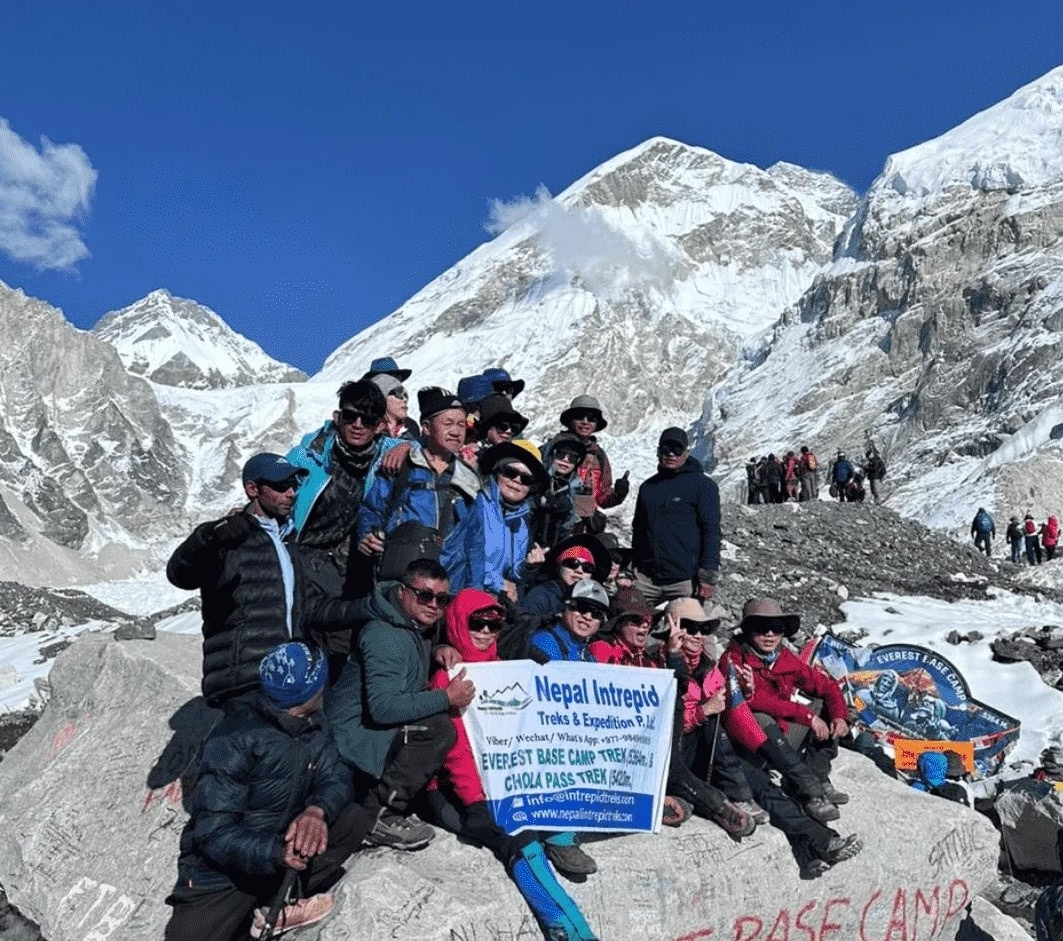
Nepal Intrepid Treks supports safe travel through licensed, TAAN-registered guides on every trekking itinerary, direct handling of permits and conservation area documentation, and route planning built around current trail, weather, and altitude conditions rather than generic templates. Our guides carry first-aid training appropriate to high-altitude trekking and maintain direct contact with Himalayan Rescue Association posts and helicopter evacuation services along major routes. Whether you are planning a first Himalayan trek or a culturally focused tour through the Kathmandu Valley and Chitwan, our team builds itineraries around your fitness level, timeline, and risk tolerance rather than a one-size-fits-all package. Reach out to discuss your dates and we will walk you through permits, insurance requirements, and a realistic acclimatization schedule before you book anything.
What Are the Key Takeaways About Traveling Safely in Nepal?
Nepal is safe to travel in 2026 for prepared visitors, with the country's real risks concentrated in roads, domestic mountain flights, and altitude rather than in crime. The current U.S. State Department Level 2 advisory reflects a stabilized security situation following the 2025 protests. Petty theft and a defined set of recurring scams are common in dense tourist areas and respond well to standard precautions. Trekking carries genuine altitude and evacuation risk that proper acclimatization, insurance, and a licensed guide manage effectively. Solo travelers, including solo women, generally have a smooth experience within Nepal's hospitality-driven culture, particularly under the now-mandatory guide system on major trekking routes. None of these facts discourage a visit; they shape how you plan one.