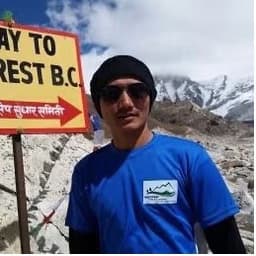
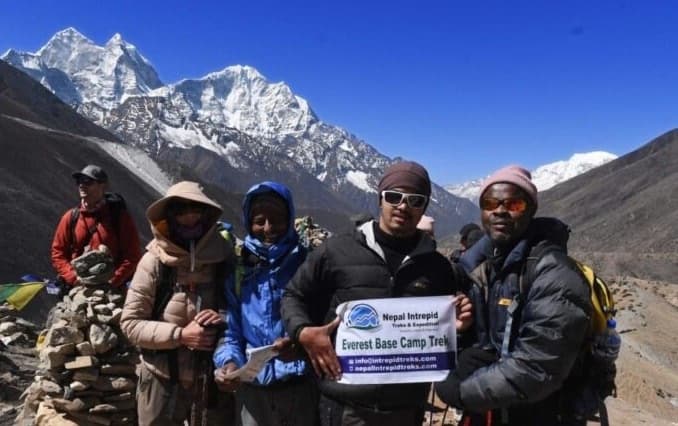
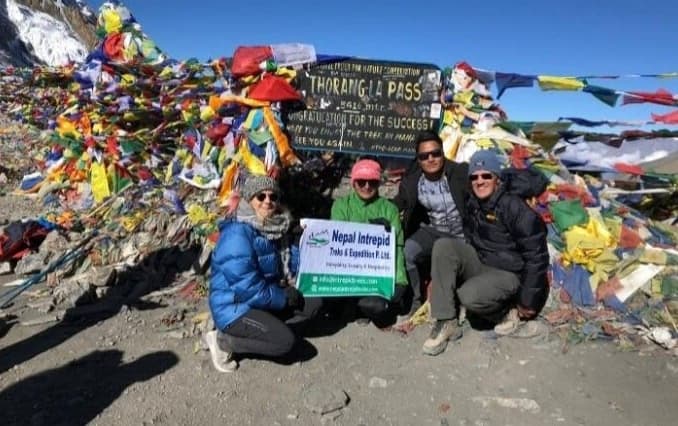
Himalayan trekking is one of the world's most rewarding adventure travel experiences, taking trekkers through Nepal's highest mountain landscapes, diverse ecosystems, and centuries-old Himalayan communities. Home to eight of the world's fourteen peaks above 8,000 meters, including Mount Everest and Annapurna I, Nepal offers legendary trekking routes such as Everest Base Camp, the Annapurna Circuit, Langtang Valley, and Upper Mustang. Along these trails, trekkers experience dramatic altitude changes, glacier-fed rivers, alpine forests, high mountain passes, traditional teahouses, Buddhist monasteries, and the rich cultures of Sherpa, Gurung, Tamang, and Thakali communities, creating a journey that combines natural beauty with cultural discovery.
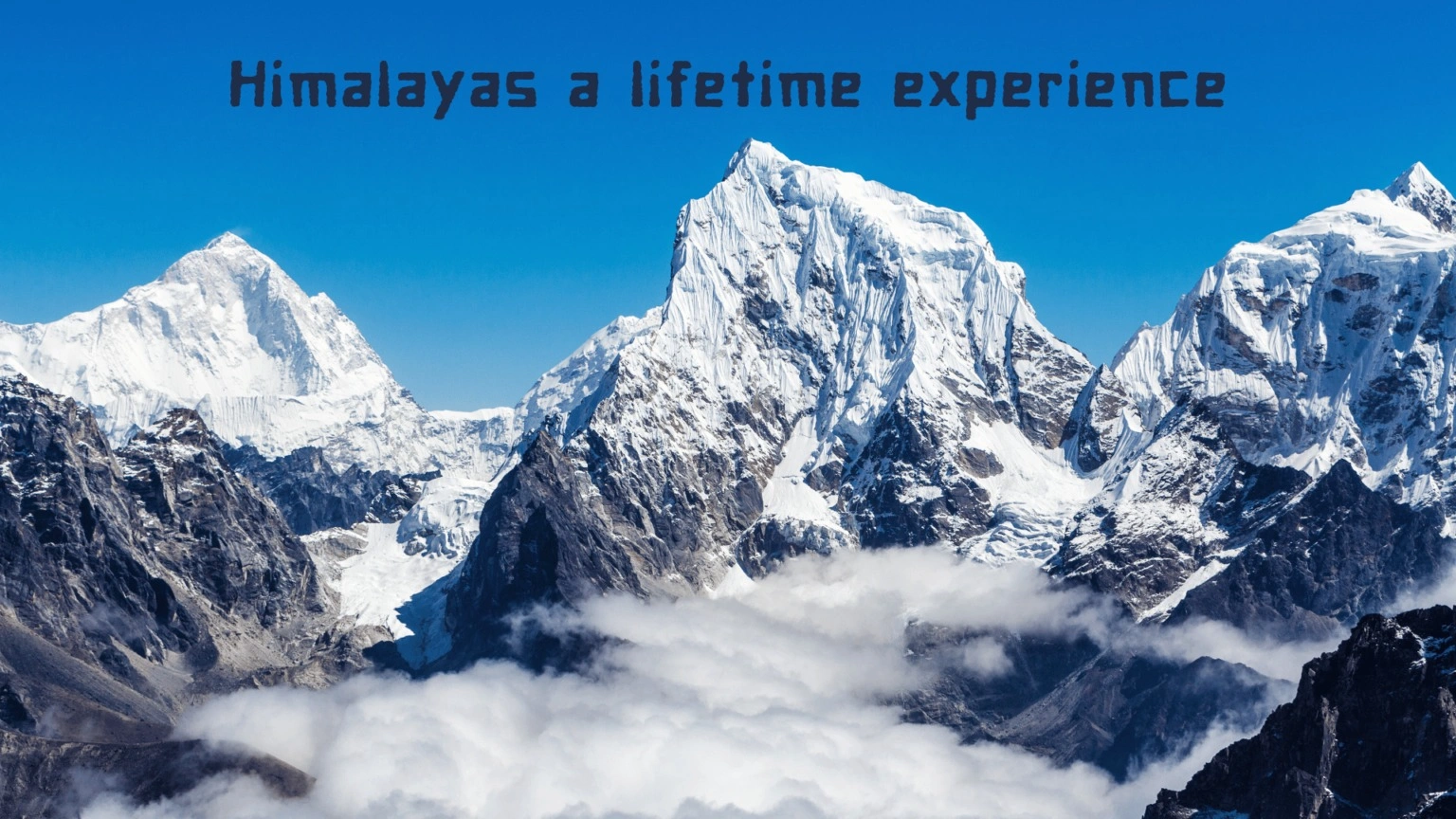
Trekking in the Himalayas offers far more than spectacular mountain views. Every route presents unique physical challenges, opportunities for personal growth, encounters with protected national parks and Himalayan wildlife, and meaningful connections with local people whose lives have been shaped by the mountains for generations. Understanding the best trekking regions, ideal seasons, altitude preparation, essential gear, acclimatization, responsible trekking practices, and the value of experienced local guides helps transform a Himalayan trek into a safe, memorable, and truly lifetime experience. This guide explores everything you need to know about why trekking in the Himalayas remains one of the most inspiring adventures on Earth and how to prepare for an unforgettable journey in Nepal.
What Makes the Himalayas Unlike Any Other Trekking Destination?
The Himalayas combine the highest elevation gain available to non-technical trekkers, the steepest ecological transitions on any continuous trail, and the deepest concentration of inhabited mountain culture, a mix no other range matches at the same scale. Stretching roughly 2,400 kilometers across five countries, the Himalayas contain more trekkable terrain above 4,000 meters than the Andes, Rockies, and Alps combined. Trekkers in Nepal pass through Sherpa, Gurung, Tamang, and Thakali villages within a single multi-day route, eating meals cooked by the same families who run the teahouses. Most competing ranges offer height or culture as the main draw. The Himalayas offer both on the same trail, which is the central reason repeat trekkers keep returning to Nepal rather than substituting a different mountain region.
Why Do the World's Highest Mountains Inspire So Many Travelers?
The world's highest mountains inspire travelers because they represent a measurable, achievable extreme: trekkers without mountaineering training can walk to altitudes above 5,000 meters and stand within direct sight of 8,000-meter summits. Everest Base Camp sits at 5,364 meters and requires no climbing rope, harness, or technical gear to reach on foot. Kilimanjaro offers a comparable summit-style achievement, but no trek in Africa or South America places walkers this close to a peak this high. This accessibility separates Himalayan trekking from mountaineering. A trekker does not need to summit Everest to stand near its south face; the trek itself delivers that proximity, and that gap between effort required and altitude reached is what draws first-time trekkers who would never consider technical climbing.
How Does the Himalayan Landscape Change Throughout a Trek?
A single Himalayan trek moves through four to five distinct ecological zones, from subtropical lowland forest near 1,000 meters to alpine desert and glacial moraine above 5,000 meters, often within 10 to 14 days. The Everest region starts among rhododendron and pine forest near Lukla at 2,860 meters, climbs through juniper scrub past Namche Bazaar at 3,440 meters, and ends in barren, wind-scoured rock near Kala Patthar at 5,644 meters. Annapurna routes add rice terraces and warm river valleys at the lowest elevations before climbing into the same alpine zone. Air pressure drops along with temperature, and oxygen availability near Everest Base Camp runs at roughly half of sea-level concentration. Few trekking regions compress this many biomes, and this much physiological change, into one continuous route.
Why Do People Describe Himalayan Treks as Life-Changing?
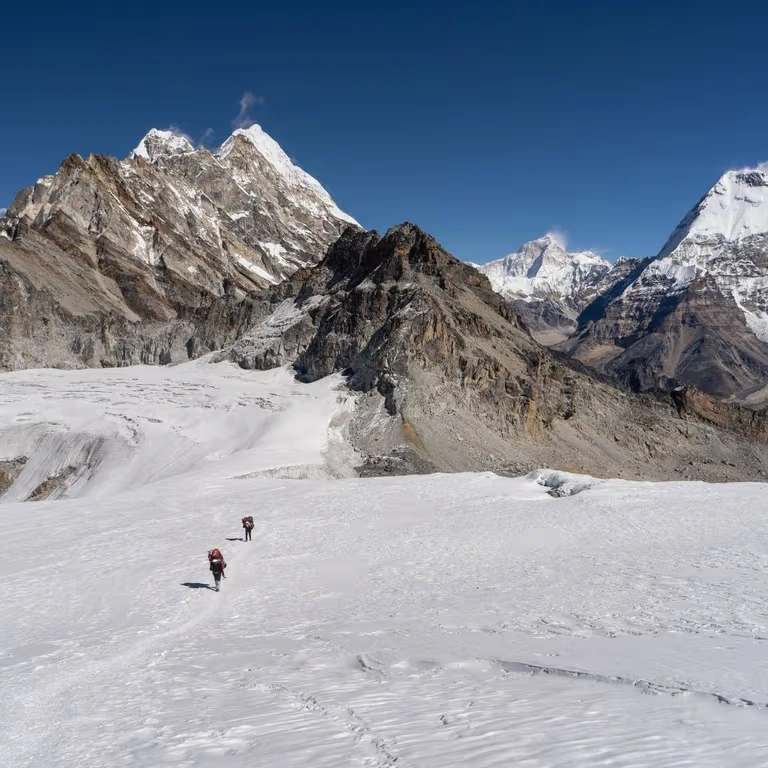
Trekkers describe Himalayan routes as life-changing because the trek forces sustained, multi-day decision-making under physical strain, a demand most daily routines never place on a person for more than a few hours at a time. Walking six to seven hours a day for one to three weeks strips away ordinary distractions. Decisions about pace, hydration, layering, and rest become constant and immediate, not abstract. Many trekkers report a clearer sense of personal capability after finishing a multi-day route, not because the trail is the hardest physical event available, but because the effort repeats daily for ten to twenty days straight. A common mistake among first-time trekkers is expecting one dramatic moment to deliver this shift. In practice, it builds gradually, day by day, and most trekkers only recognize the change once they are back home.
How Does Trekking Challenge You Physically and Mentally?
Himalayan trekking challenges the body through repeated daily elevation gain at reduced oxygen levels, and challenges the mind through extended exposure to discomfort, isolation, and unpredictable weather across multiple consecutive days. Physically, trekkers carry daypacks for six to eight hours over rocky, uneven trails while adjusting to thinner air above 3,000 meters, where the body produces more red blood cells to compensate for lower oxygen pressure. Mentally, the challenge comes from duration rather than intensity. A single hard hike ends within hours; a Himalayan trek repeats that effort for ten to twenty days, and the persistence this demands is rarely trained for in advance. Trekkers who train only for physical fitness and ignore the mental load of repetition often struggle more on day eight or nine than on the first summit day.
Why Does Reaching a Mountain Pass or Viewpoint Feel So Rewarding?
Reaching a high pass or viewpoint feels rewarding because it delivers an immediate, visible payoff for days of cumulative effort, a direct cause-and-effect rarely available in daily life. Crossing Thorong La at 5,416 meters on the Annapurna Circuit, or reaching Kala Patthar before sunrise for a direct view of Everest, Lhotse, and Nuptse, compresses weeks of preparation and days of walking into a single defined moment. The reward is not guaranteed. Cloud cover or sudden weather can obscure the view even after a successful climb, and guides routinely build a buffer day into itineraries specifically to allow a second attempt at a viewpoint. Trekkers who understand this trade-off in advance handle a clouded-over pass with far less disappointment than those expecting a postcard view on the first try.
Which Himalayan Regions Offer the Most Memorable Experiences?
Three Nepal regions, Everest, Annapurna, and Langtang, account for most Himalayan trekking activity, and each delivers a distinct combination of altitude, culture, and accessibility. The Everest region offers the highest, most iconic terrain. Annapurna offers the greatest diversity of landscape inside one conservation area and the most developed trail infrastructure. Langtang offers a shorter, less crowded alternative within a day's drive of Kathmandu. Trekkers also choose Mustang or Manaslu for a quieter, rain-shadow alternative, though Everest, Annapurna, and Langtang remain the three most trekked regions for a first Himalayan journey. The right choice depends on available time, fitness level, and whether altitude or cultural depth matters more for that specific trip.
What Makes the Everest Region So Iconic?
The Everest region is iconic because it contains the world's highest peak, the Sherpa homeland of Khumbu, and Sagarmatha National Park, a UNESCO World Heritage Site protected since 1979. The Everest Base Camp Trek covers roughly 130 kilometers round trip from Lukla, reaching a maximum altitude of 5,644 meters at Kala Patthar. The route passes Namche Bazaar, the region's main trading hub at 3,440 meters, and Tengboche Monastery, built in 1916 at 3,867 meters. According to a 2025 peer-reviewed study of Himalayan protected-area governance, Sagarmatha National Park has protected this landscape, including snow leopard and red panda habitat, since being gazetted in 1976, and drew roughly 57,000 visitors in 2019 alone. Most itineraries run 12 to 14 days to allow proper acclimatization, and this is the region best suited to trekkers who specifically want the highest possible non-technical altitude on their itinerary.
Why Is the Annapurna Region Popular With Trekkers?
The Annapurna region is popular because it offers the widest range of trek lengths and difficulty levels inside a single protected area, the Annapurna Conservation Area, Nepal's largest protected region at 7,629 square kilometers. Trekkers choose Annapurna Base Camp for a shorter 7 to 12 day trek to 4,130 meters, or the Annapurna Circuit for a longer route crossing Thorong La at 5,416 meters. Poon Hill, reachable in 4 to 5 days, gives less experienced trekkers a sunrise view of the Annapurna range without high-altitude exposure, while routes like Khopra Ridge add a quieter, less-trafficked alternative with similar views. Established in 1986 when the NTNC began work in the region, the conservation area was Nepal's first community-managed protected zone; it drew 181,000 international visitors in 2019 alone, a number that cratered to under 19,000 the following year when the pandemic halted travel.
How Does the Langtang Region Offer a Different Experience?
Langtang offers a shorter, quieter trekking experience inside Langtang National Park, Nepal's first Himalayan national park, located roughly 32 kilometers north of Kathmandu. Most Langtang Valley treks run 7 to 10 days and reach Kyanjin Ri at 4,773 meters, a fraction of the time required for Everest Base Camp or the Annapurna Circuit. The region carries far fewer trekkers per season than Everest or Annapurna, which gives visitors more direct contact with Tamang villages and quieter teahouses. Langtang best suits trekkers with limited vacation time, or trekkers who already completed Everest or Annapurna and want a shorter, less crowded Langtang Valley trek without sacrificing genuine high-altitude scenery.
How Does Himalayan Culture Make the Journey More Meaningful?
Himalayan culture adds meaning to a trek by surrounding physical effort with daily contact with Buddhist monasteries, prayer wheels, mani walls, and mountain communities whose customs predate modern trekking tourism by centuries. Every major Nepal trekking route passes inhabited villages, not empty wilderness. Trekkers eat dal bhat and momo prepared by local families, sleep in teahouses run by the same communities for generations, and greet villagers with "namaste" along the trail. This daily contact transforms the trek from a physical exercise into a cultural exchange, and trekkers who slow down enough to ask questions in teahouses, rather than treating meals purely as refueling stops, consistently report a richer trip than those who do not.
What Can You Learn From Sherpa and Mountain Communities?
Sherpa and other mountain communities teach trekkers practical altitude management, sustainable mountain living, and a different relationship with physical risk shaped by generations of high-altitude life. The Sherpa people migrated from eastern Tibet roughly 500 years ago and settled the Solu-Khumbu region around Everest. Many Sherpa families have worked as climbing guides and porters since the 1950s, beginning with the historic 1953 Everest summit by Tenzing Norgay and Edmund Hillary. Trekkers who spend time in Sherpa villages observe firsthand how communities adapt diet, building methods, and daily routine to permanent high-altitude living, an insight that no guidebook description fully replaces.
How Do Monasteries, Traditions, and Festivals Enrich the Trek?
Monasteries, prayer ceremonies, and seasonal festivals enrich a Himalayan trek by giving trekkers direct access to living Buddhist practice rather than a static, museum version of it. Tengboche Monastery hosts the Mani Rimdu festival each October or November, featuring masked dances performed by resident monks. Losar, the Tibetan and Sherpa New Year celebrated in February, brings similar ceremony to Khumbu villages outside the main trekking season. Mani walls and chortens line nearly every trail junction, carved with the Tibetan Buddhist mantra "Om Mani Padme Hum." Local custom directs trekkers to pass these structures on the left side, a practice rooted in centuries of regional Buddhist tradition, and following it signals respect to local communities far more than any guidebook phrase.
What Natural Wonders Can You Experience in the Himalayas?
Himalayan trekking routes pass glaciers, alpine lakes, river gorges, and protected forests that contain some of the most biodiverse terrain in South Asia, much of it inside formally protected national parks. Sagarmatha National Park, Annapurna Conservation Area, and Langtang National Park together protect snow leopards, red pandas, Himalayan tahr, and the danphe, Nepal's national bird. Trekkers encounter the Khumbu Glacier, the turquoise Gokyo Lakes at 4,700 to 5,000 meters, and rhododendron forests that bloom red and pink each spring depending on the route chosen. Tilicho Lake, accessible from the Annapurna Circuit, sits at 4,919 meters and ranks among the highest large lakes in the world.
Which Wildlife and National Parks Can You Encounter?
Trekkers can encounter snow leopards, red pandas, Himalayan tahr, and musk deer across Nepal's three primary trekking-region national parks, though direct sightings of rare species remain uncommon due to elevation, terrain, and the animals' natural avoidance of foot traffic. Sagarmatha National Park, protected since 1976, supports snow leopard and red panda populations above 3,000 meters. Annapurna Conservation Area protects a wide range of wildlife; a 2024 Bayesian camera-trap study estimated mean mammal species richness there at roughly 26 species, a rare data point that also flags how much survey effort still under-detects true diversity in this terrain. Langtang National Park, bordering Tibet, protects red panda habitat at lower elevations near Kyanjin Gompa. Musk deer face ongoing poaching pressure for musk pod extraction, which is why conservation area permits directly fund anti-poaching patrols rather than functioning as a simple entry fee.
How Do Glaciers, Rivers, and Alpine Forests Shape the Journey?
Glaciers, rivers, and alpine forests shape a Himalayan trek by dictating trail routes, water sources, and the pace at which trekkers can safely ascend. The Khumbu Glacier feeds the Dudh Kosi river, which trekkers cross repeatedly via suspension bridges between Lukla and Namche Bazaar. Rhododendron and pine forest cover the trail below 3,500 meters, then give way to juniper scrub and bare rock above that line. Air pressure drops along with temperature, and oxygen availability near Everest Base Camp runs at roughly half of sea-level concentration; ICIMOD's 2023 HI-WISE assessment finds that Hindu Kush Himalaya glaciers lost mass about 65% faster in the 2010s than in the previous decade, a trend visibly reshaping the terrain trekkers cross. Trekkers plan rest days around these natural transitions, since forested lower sections allow faster walking than the loose moraine near glacier-fed base camps.
What Are the Biggest Personal Benefits of Trekking in the Himalayas?
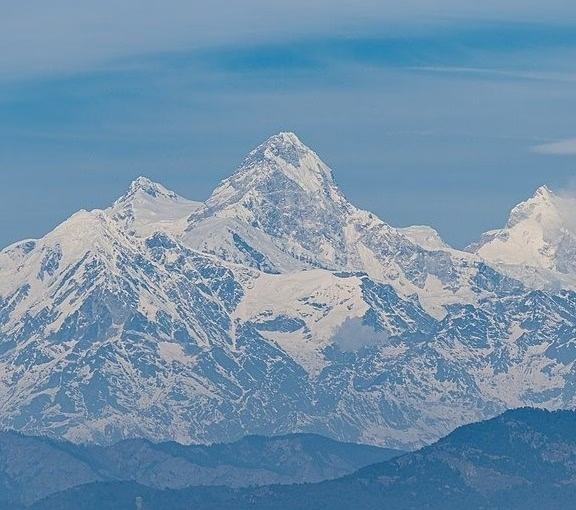
Himalayan trekking delivers measurable personal benefits in physical fitness, mental resilience, and perspective, built through sustained daily effort rather than a single intense event. Trekkers complete 10 to 20 days of consecutive walking at altitude, building cardiovascular endurance that short day hikes cannot replicate. The mental component matters equally. Multi-day exposure to discomfort, limited connectivity, and unpredictable weather builds tolerance for uncertainty that trekkers often carry back into daily decision-making long after the trek ends, an effect that trekkers consistently describe lasting well beyond the trip itself.
How Can Trekking Improve Your Confidence and Resilience?
Trekking improves confidence and resilience by repeatedly testing trekkers against physical and mental discomfort they control through preparation rather than chance. Each day on the trail presents a smaller, solvable problem: a steep climb, a cold morning, a long descent. Solving these problems daily, for one to three weeks, builds a track record trekkers can reference long after the trip ends. This differs from the short-term confidence boost of a single achievement, since resilience built across a multi-day trek strengthens through repetition rather than one decision, and that repetition is what makes the effect durable rather than fleeting.
Why Is Disconnecting From Daily Life So Refreshing?
Disconnecting from daily life feels refreshing on a Himalayan trek because most teahouse routes above 3,000 meters have limited or paid satellite Wi-Fi at best, and no signal at all on the highest sections, removing the option to check messages on demand. Trekkers report sleeping better, eating with more attention, and noticing surroundings more closely once digital interruption stops. This is not a deliberate "digital detox" feature; it results directly from the terrain and infrastructure. The effect tends to be more noticeable on longer routes like the Annapurna Circuit or Everest Base Camp, where the disconnection lasts ten days or longer, compared to shorter regional treks closer to Kathmandu.
When Is the Best Time to Trek in the Himalayas?
Spring, from March to May, and autumn, from September to November, are the two primary trekking seasons in Nepal, offering stable weather, clear mountain views, and manageable trail conditions. Outside these two windows, winter brings heavy snow to high passes above 4,000 meters, and the June to August monsoon brings daily rainfall, leeches on lower forested trails, and an increased landslide risk on certain sections. Trekkers planning routes above 5,000 meters concentrate almost entirely within the spring and autumn windows for this reason, and autumn in particular sees the highest volume of permits issued each year.
How Do Spring and Autumn Compare?
Spring and autumn both offer stable weather, but autumn delivers the clearest mountain visibility, while spring adds rhododendron blooms across mid-altitude forest. Autumn, September to November, follows the monsoon and leaves minimal dust and haze in the air, producing the clearest long-range mountain photography of the year; this season also overlaps with Dashain and Tihar, Nepal's two largest festivals. Spring, March to May, brings warmer days at lower altitude and forests in bloom, with rhododendron flowering peaking in March and April, though afternoon haze can reduce distant visibility compared to autumn. Trekkers prioritizing photography typically choose autumn; trekkers prioritizing forest scenery and slightly warmer evenings often choose spring.
Can You Trek During Winter or the Monsoon?
Winter and monsoon treks remain possible at lower altitudes, though high passes above 5,000 meters become difficult or impassable without technical winter gear and local route knowledge. Winter, December to February, suits shorter, lower-elevation routes like Poon Hill, Ghorepani, Mardi Himal, or Khopra Ridge, where daytime temperatures stay manageable despite cold nights, and trails carry far fewer trekkers than the autumn peak. Monsoon season, June to August, suits rain-shadow regions like Upper Mustang and Dolpo, which sit north of the main Himalayan range and receive significantly less rainfall than Everest or Annapurna during these months. Trekkers attempting high passes like Thorong La in deep winter risk closure from snow accumulation, which is why guides reroute or delay these specific crossings rather than push through regardless of conditions.
How Can You Prepare for a Safe and Enjoyable Himalayan Trek?
Safe Himalayan trekking preparation combines a baseline fitness level, the correct gear for altitude and temperature swings, a structured acclimatization schedule, and a guide familiar with the specific route. Trekkers who prepare across these four areas reduce the most common causes of trip-ending problems: altitude sickness, gear failure, and route-finding errors. None of these require elite athletic ability. They require planning that starts weeks before departure, not adjustments improvised on the trail itself.
What Fitness Level Should You Have?
Trekkers need the ability to walk six to seven hours a day on uneven terrain for multiple consecutive days, a fitness level closer to general cardiovascular conditioning than elite athletic training. Three months of regular hiking, stair climbing, or sustained cardio training before departure prepares most trekkers adequately for routes like Everest Base Camp or the Annapurna Circuit. Training with a weighted daypack on stairs or hills builds the specific muscle endurance that flat treadmill cardio does not replicate. Trekkers do not need prior mountaineering experience or technical climbing skill, since standard Nepal trekking routes follow established trails without rope work or glacier travel; the most common fitness mistake is training cardio alone while skipping the downhill leg strength that long descents demand.
What Essential Gear Should You Pack?
Essential Himalayan trekking gear covers four categories: layered clothing for temperature swings of 20 degrees Celsius or more in a single day, a sleeping bag rated to roughly negative 15 degrees Celsius, broken-in trekking boots, and a headlamp for early starts. Teahouses above 4,000 meters frequently lack heating outside the dining room, so a quality sleeping bag matters more than most first-time trekkers expect. Trekking poles reduce knee strain on steep descents, and a portable power bank covers the lack of reliable electrical outlets at higher elevations. A full trekking equipment checklist helps trekkers confirm nothing essential gets left behind before departure. Many first-time trekkers underpack insulating layers for the early morning starts and overpack items they never use below 3,000 meters, adding unnecessary porter weight without adding comfort.
How Can You Reduce the Risk of Altitude Sickness?
Trekkers reduce altitude sickness risk by ascending no more than 300 to 500 meters in sleeping elevation per day above 3,000 meters, drinking 3 to 4 liters of water daily, and scheduling dedicated rest days for acclimatization. Acute Mountain Sickness symptoms, including headache, nausea, and dizziness, typically begin above 2,500 meters. A closer look at altitude sickness in the Himalaya covers the full range of symptoms and prevention steps trekkers can act on early. The "climb high, sleep low" principle, walking to a higher point during the day before descending to sleep, helps the body adjust gradually. Some trekkers use prescription medication as a preventive measure under a doctor's guidance before departure, taken in consultation with a physician familiar with their medical history rather than decided on the trail. Any worsening of symptoms after rest, rather than improvement, is the clearest signal to descend immediately rather than continue ascending.
What Trekking Mistakes Should You Avoid?
The most common Himalayan trekking mistakes include ascending too fast, ignoring early altitude sickness symptoms, underestimating daily water intake, and packing boots that have not been broken in before the trip. Trekkers who skip scheduled acclimatization days to save time face the highest risk of altitude-related problems requiring early descent. Guides report that hydration is the single most under-prioritized factor; cold mountain air suppresses thirst even as the body loses water faster at altitude through breathing and exertion. Worn-in, properly fitted boots prevent the blisters that end more treks early than altitude sickness does, and skipping travel insurance that covers high-altitude evacuation remains a frequent and costly oversight among first-time trekkers.
How Can You Trek Responsibly and Protect the Environment?
Responsible Himalayan trekking means carrying out all non-biodegradable waste, using refillable bottles with filtration or purification instead of single-use plastic, and staying on marked trails to limit erosion in fragile alpine terrain. The Khumbu Pasanglhamu Rural Municipality banned single-use plastics and plastic beverage bottles within Sagarmatha National Park starting January 1, 2020, though Nepal's 2024 State of Conservation filing to UNESCO still lists solid waste and tourism pressure among the factors the park is actively managing. Nepal's national parks and conservation areas charge entry permits specifically to fund trail maintenance and conservation work, so permit fees directly support the infrastructure trekkers use rather than functioning as a simple toll. Trekkers who choose lodges using solar power over unregulated firewood reduce demand on the region's limited forest resources, a documented concern in heavily trekked corridors like Khumbu and Annapurna, and supporting fair porter pay and proper clothing for porters remains one of the most direct ways trekkers protect the people who make the trek possible.
Why Is Hiring an Experienced Guide Important?
An experienced guide manages route navigation, altitude pacing, and emergency response, three responsibilities that directly affect trekker safety on multi-day Himalayan routes. Licensed guides hold first aid training and carry direct knowledge of acclimatization schedules specific to each route, adjusting daily pace based on how a group responds to altitude in real time rather than following a fixed schedule regardless of symptoms. Guides also coordinate teahouse bookings, porter logistics, and permit paperwork, removing planning burden that otherwise falls on trekkers unfamiliar with the region. Nepal's government now requires all foreign trekkers to hire a licensed guide for any route within a National Park or Conservation Area, and a guide's regional knowledge becomes most valuable precisely when a plan needs to change, whether for weather, a trekker's symptoms, or a closed trail section. For what to look for when choosing a trekking agency in Nepal, experience and licensing are the two factors worth checking first.
How Can Nepal Intrepid Treks Help You Experience the Himalayas?
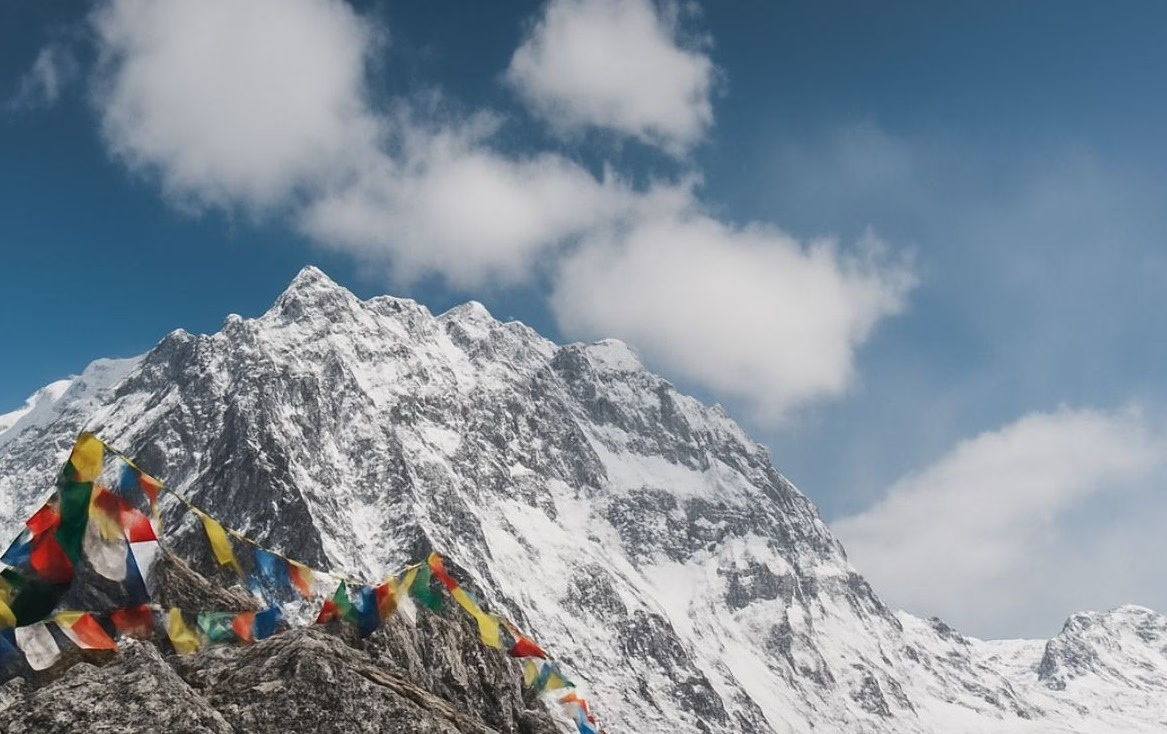
Nepal Intrepid Treks plans and guides Himalayan treks across the Everest, Annapurna, Langtang, and Mustang regions, pairing licensed local guides with route-specific acclimatization schedules built around each trekker's fitness level and timeline. Every itinerary includes permit handling, teahouse or camping logistics, and a guide trained in altitude-related emergency response. Trekkers can choose a fixed departure date or customize your trip around available time, season, and target altitude, rather than fitting into a single rigid template.
Why Choose Nepal Intrepid Treks for Your Himalayan Adventure?
Nepal Intrepid Treks combines route-specific local expertise with flexible, trekker-first itinerary planning, built on direct experience guiding the Everest, Annapurna, and Langtang regions across multiple trekking seasons. Guides come from the regions they lead treks through, giving trekkers direct cultural context beyond what a guidebook provides. Itineraries build in acclimatization days at the points where altitude sickness risk is highest, rather than following a fixed template regardless of route or trekker fitness. Trekkers planning a first Himalayan trek can request a fitness-matched itinerary and a clear breakdown of permit and guide costs before booking.
Planning a Himalayan trek? Get in touch with Nepal Intrepid Treks to discuss route options, season timing, and a fitness-matched itinerary before you book.
What Are the Key Takeaways About Why Trekking in the Himalayas Is a Lifetime Experience?
Himalayan trekking delivers a lifetime experience by combining the world's highest accessible terrain, centuries-old mountain culture, and a sustained physical and mental challenge that most travel experiences cannot replicate. The Everest, Annapurna, and Langtang regions each offer a different balance of altitude, culture, and trek length, suiting different fitness levels and timeframes. Spring and autumn remain the most reliable trekking seasons, while proper preparation across fitness, gear, acclimatization, and guide selection reduces the risks tied to altitude and remote terrain. Trekkers who match their route to their fitness level, train with intent, and travel with an experienced guide return from the Himalayas with a measurable sense of accomplishment, and a clearer sense of their own limits, that few other trips on Earth can deliver.